
Last updated October 15, 2026
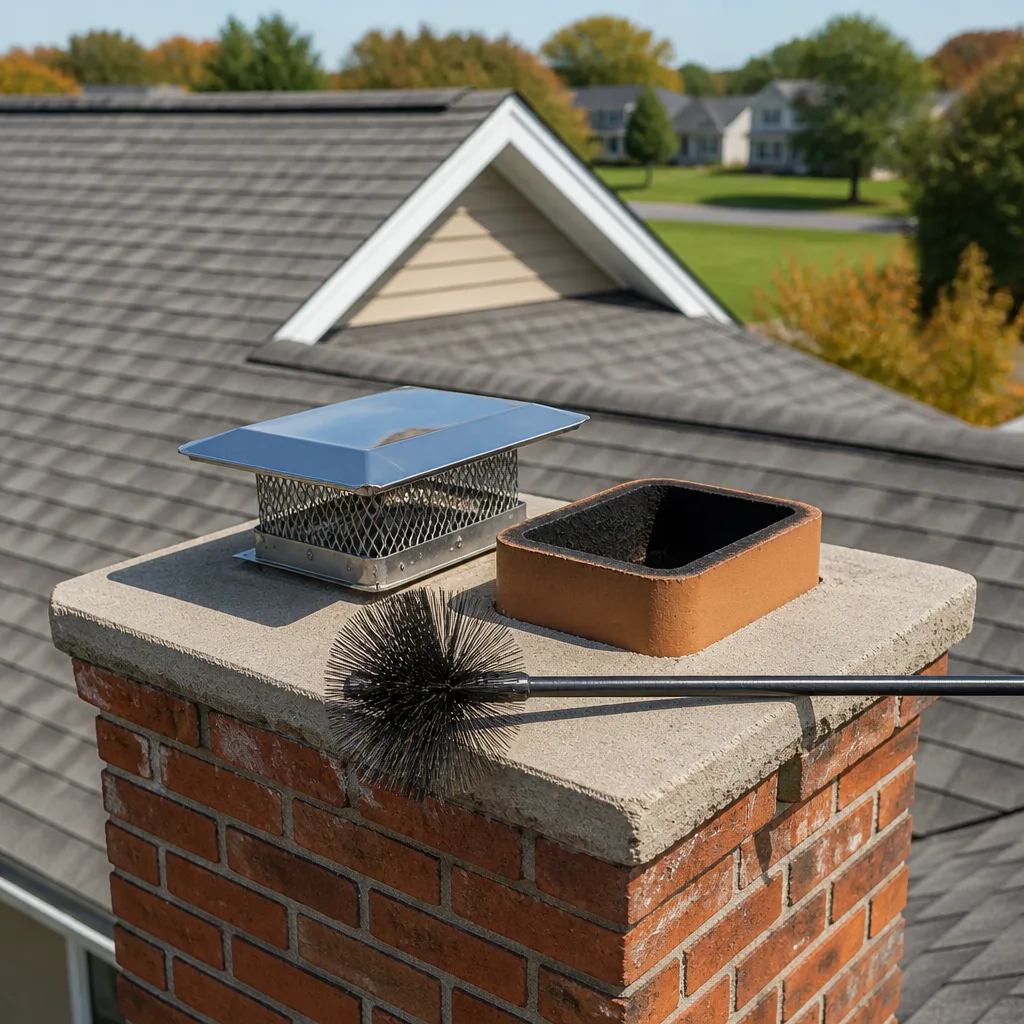 Sweep & inspection
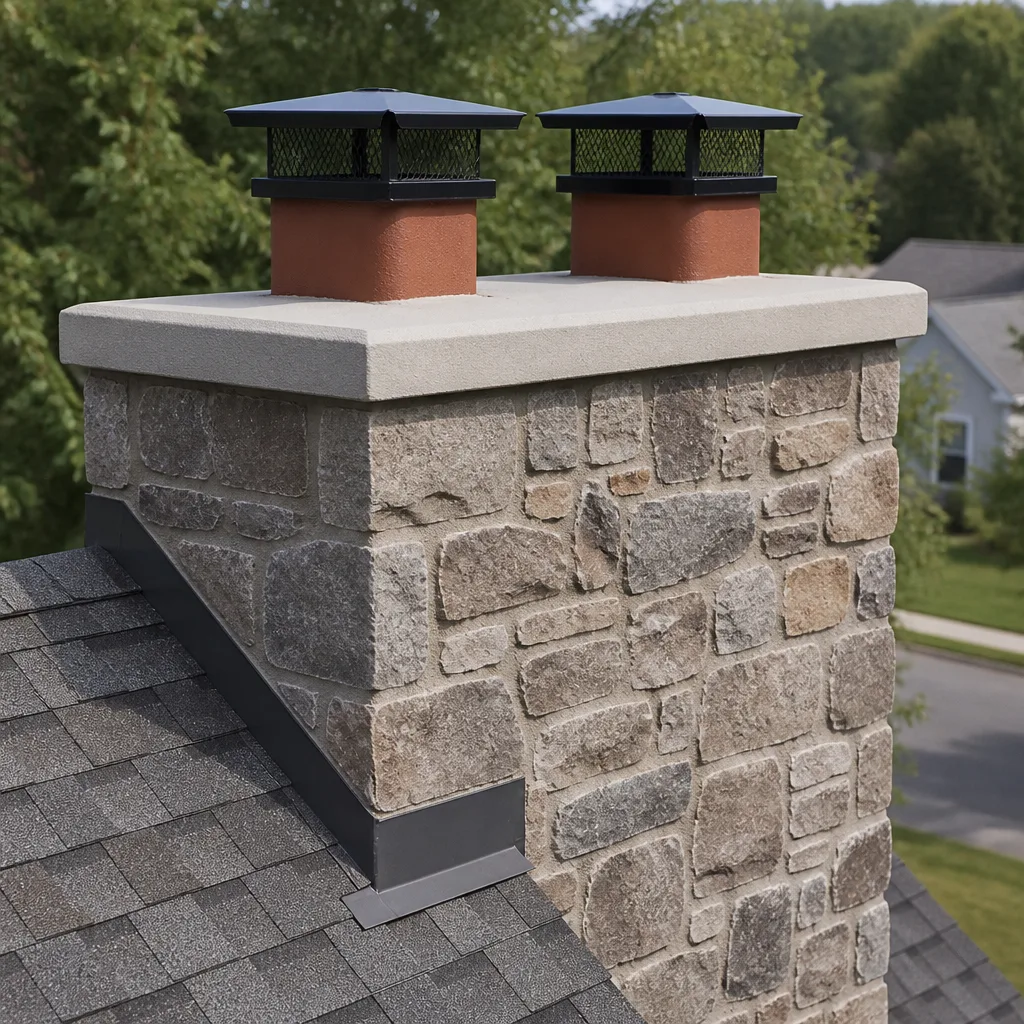 Caps & crowns
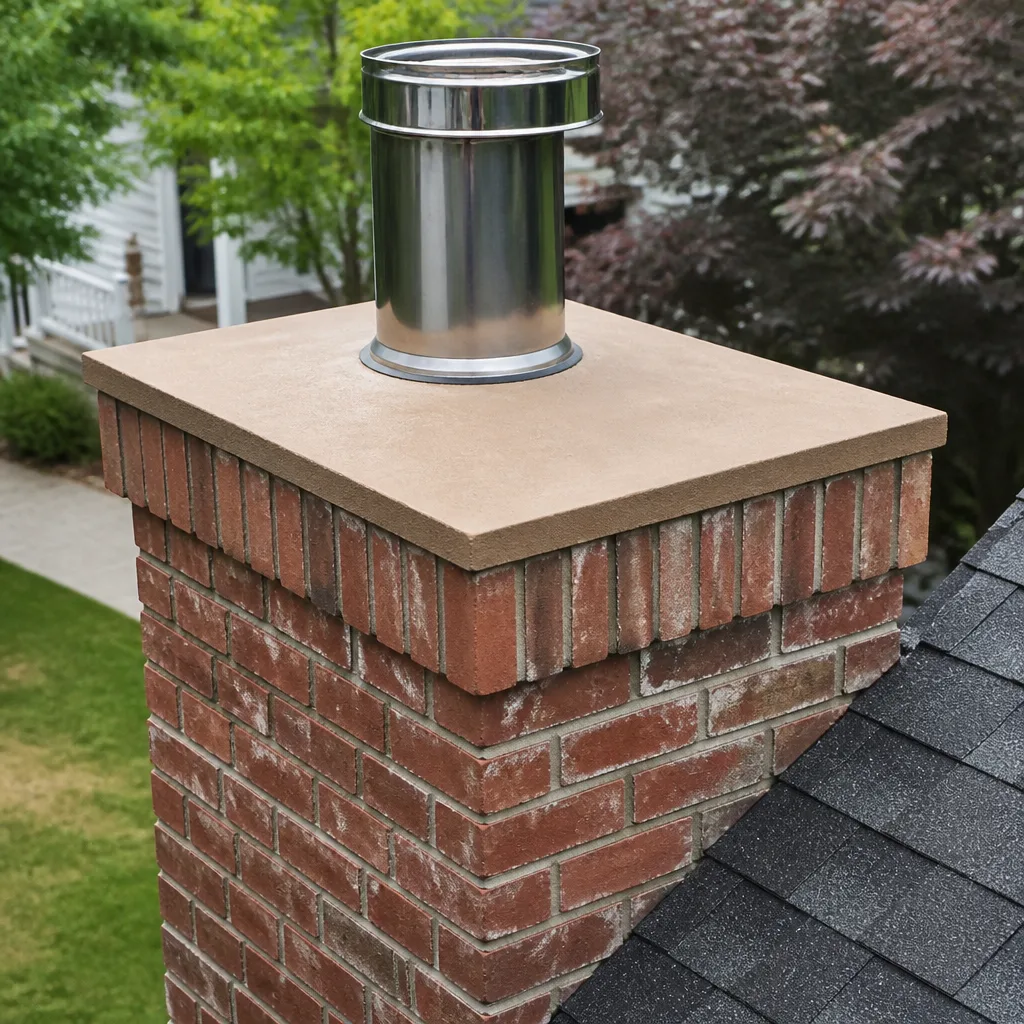 Flue relining
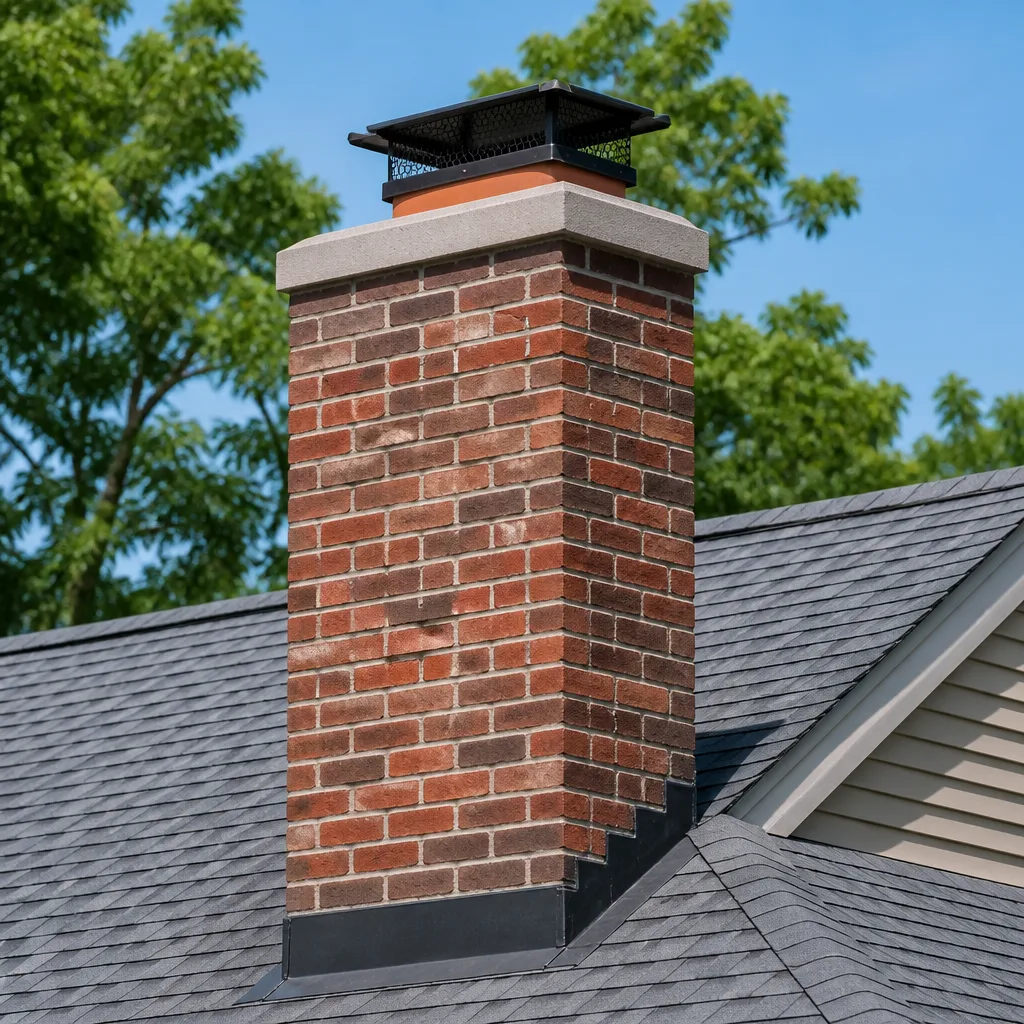 Masonry repair
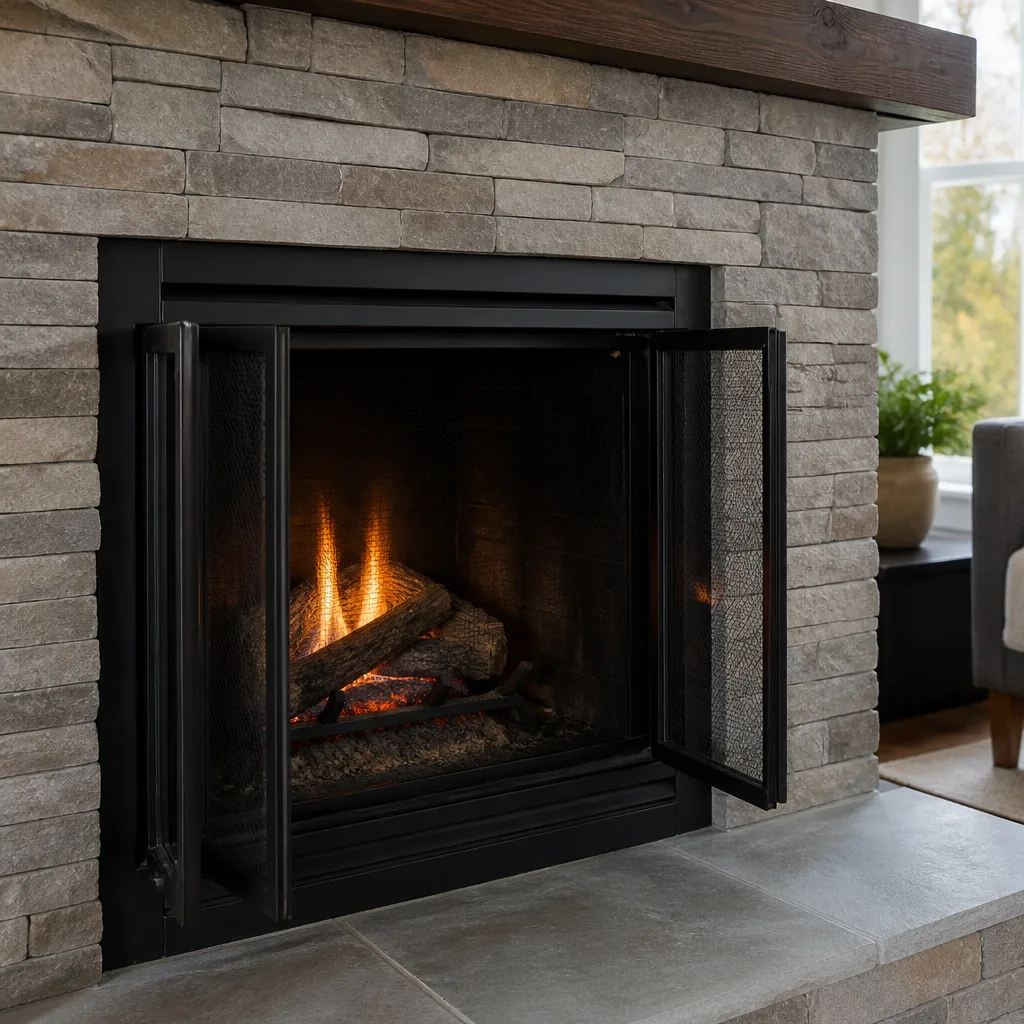 Gas fireplace service
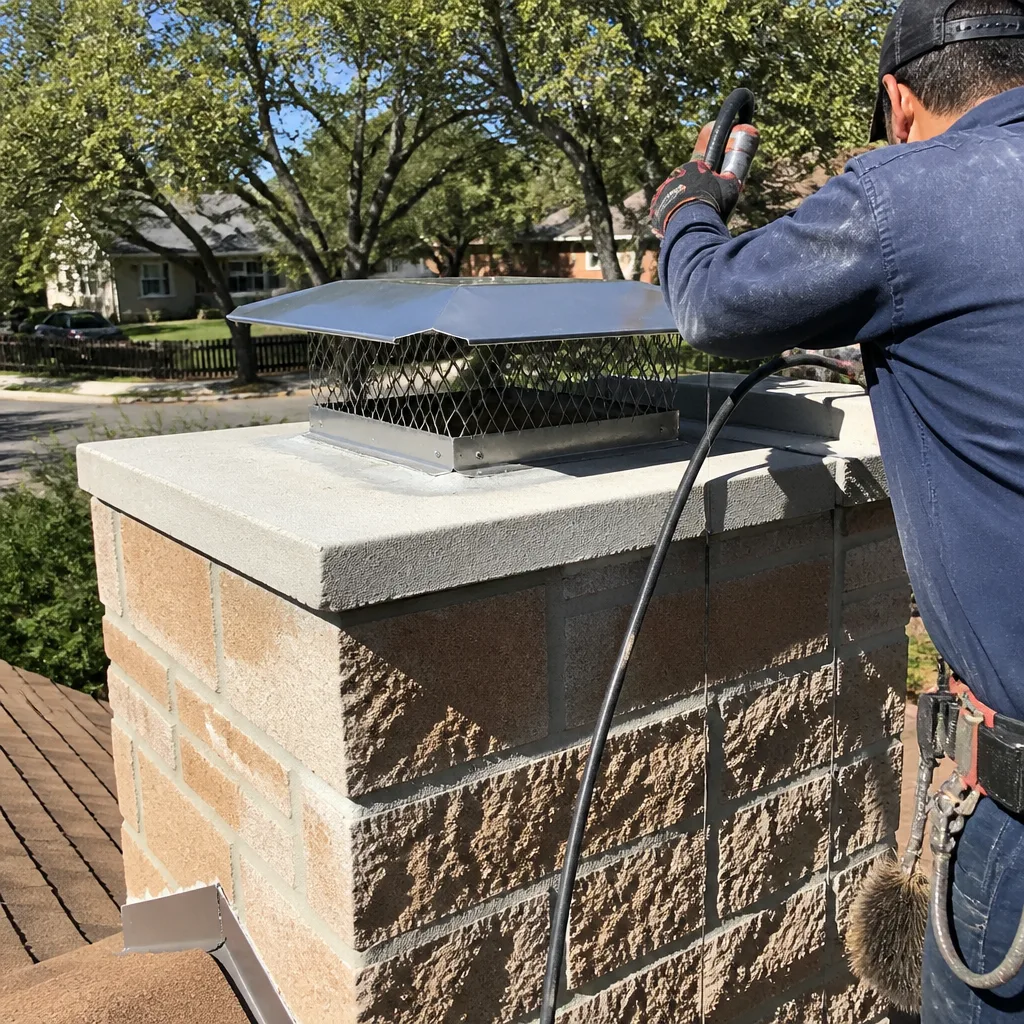
Level 1 sweep and inspection to the NFPA 211 annual standard - flue, crown, cap, and flashing checked and photographed
Chimney sweep logs do not sweep chimneys. They loosen some creosote - which then falls where a brush and vacuum still have to collect it.
Seasonal Chimney Cleaning Care for San Antonio: Year-Round Homeowner’s Guide
Here’s a counterintuitive truth about chimney care in San Antonio: the worst month to book a cleaning is October. Not because Technicians are busy (though they are), but because by the time fall arrives, your chimney has already spent eight months quietly accumulating the moisture damage, nesting, and creosote degradation that make that first cozy fire a genuine risk. Most homeowners think of chimney maintenance as a pre-winter task. The smart ones in Bexar County know the real work happens in March, April, and May, right after the last fire of the season goes out. This guide walks through exactly what’s happening inside an idle San Antonio chimney all year, what you can check yourself (safely, from the ground), and when a professional should take over.
Styles & brands we work with
Quick Answer
In San Antonio, the best time to schedule a professional chimney cleaning is March or April, immediately after your last fire of the season, because it gives you the longest window to catch and fix moisture damage, animal nesting, and creosote buildup before the next burn season starts in November. Chimney sweeps in San Antonio typically run $190 to $350 depending on the level of inspection and the condition of the flue.
Table of Contents
- March and April: The Post-Season Sweep That Matters Most
- May and June: Nesting Season in Bexar County
- July Through September: Humidity, Mortar, and the Hidden Damage
- October and November: Pre-Burn Prep Without the Panic
- December Through February: Managing the Burn Season
- What You Can Check Yourself vs. What Needs a Pro
- How Much Does Chimney Cleaning Cost in San Antonio?
- Common Mistakes to Avoid
- When to Call a Professional
- Frequently Asked Questions
- The Bottom Line
March and April: The Post-Season Sweep That Matters Most
The fire’s out, the flue is still warm, and most San Antonio homeowners are already thinking about spring landscaping. What they don’t realize is that this is the single best window of the entire year to schedule a chimney cleaning. Here’s why: creosote (the flammable tar residue that condenses on your flue walls every time wood burns incompletely) is easier to remove when it hasn’t had a full summer to harden and bond with the masonry. A sweep done in March or April removes that layer while it’s still relatively fresh. More importantly, a professional inspection right after the burn season catches any damage the winter created, from cracks in the clay tile liner to a damper that no longer seals tightly. You then have eight full months to plan and budget for any repairs before the next burn season. That’s a luxury an October inspection cannot offer.
San Antonio’s burn season is shorter than what you’d see in Dallas or Fort Worth, but it’s also more intermittent. Homeowners here often fire up the fireplace for a handful of nights in December, then again in January, with long gaps in between. Those stop-start cycles are actually harder on a chimney than continuous cold-weather use. Each heating and cooling cycle expands and contracts the masonry and the metal components at different rates. By March, those micro-stresses have had a full season to accumulate. A post-season sweep is also the cheapest time to book. Most chimney companies in San Antonio see a demand cliff after February, which means more scheduling flexibility and often better availability for a thorough, unhurried inspection.
May and June: Nesting Season in Bexar County
By May, the chimney swallows, chimney swifts, and house sparrows that are common across San Antonio are actively looking for cavities to build nests. Your flue, especially if the chimney cap has been damaged by hail or blown off in a spring storm, is exactly the kind of dark, protected space they seek. A bird’s nest inside a flue isn’t just an annoyance. It’s a fire hazard and a serious carbon monoxide risk when you go to light the first fire in November. Nests are made of twigs, grass, feathers, and sometimes man-made debris, all of which burns readily and can block the flue entirely.
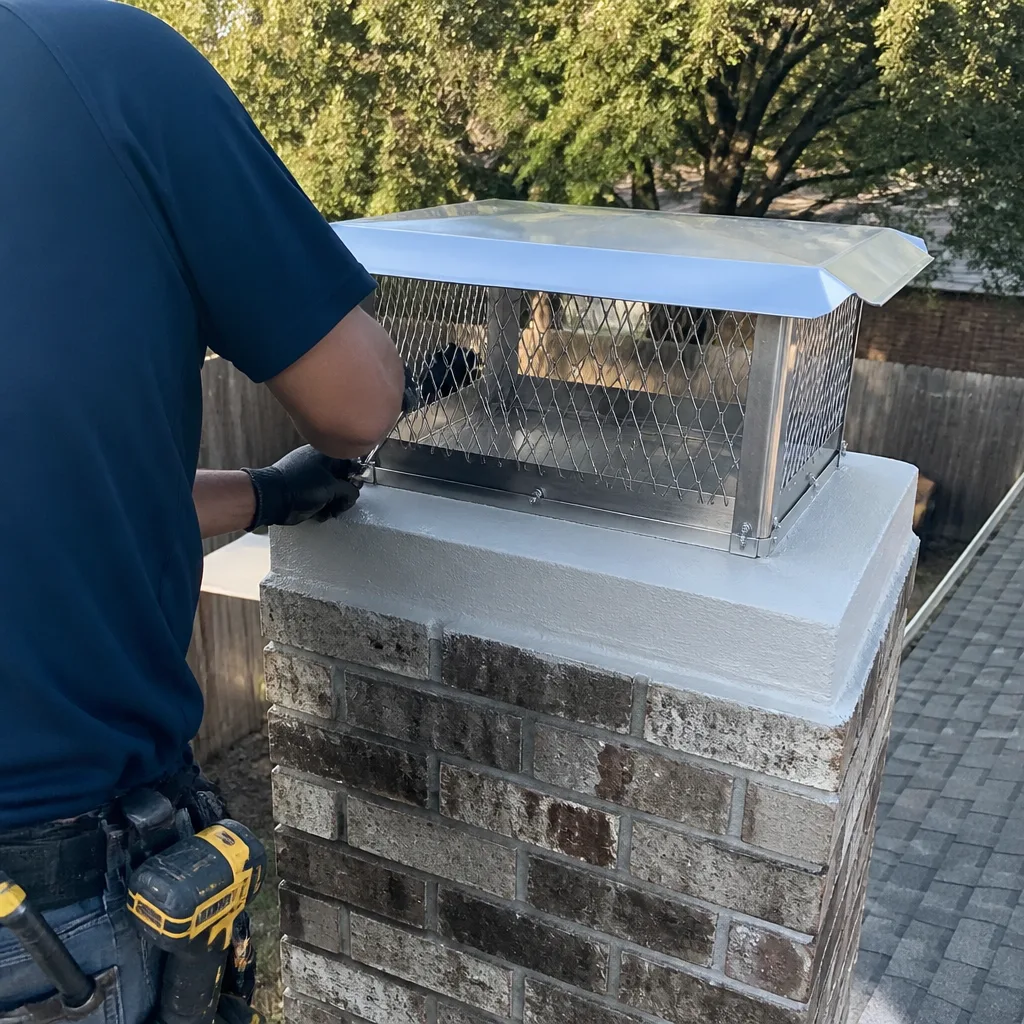
Wasps and bees also favor chimneys in May and June. Bexar County’s warm spring temperatures bring paper wasps looking for overhangs, and a chimney chase or the underside of a chimney cap is prime real estate. Unlike birds, wasps don’t generally build inside the flue itself, but they will build on the cap, the crown, and around the spark arrestor. A wasp nest above the flue opening can still restrict airflow and, in some cases, drop debris into the chimney. This is the season to do a simple ground-level check. If you see birds flying in and out of your chimney, hear chirping from inside the walls near the fireplace, or spot mud dauber tubes building up on the chimney crown, you have an active problem. The fix usually involves installing or repairing a proper chimney cap with a spark arrestor, a job best done by a professional who can access the roof safely.
July Through September: Humidity, Mortar, and the Hidden Damage
San Antonio is not a dry city. The average relative humidity in the summer months hovers near 70 percent, and after rain events it can stay saturated for days. That moisture has a direct, measurable effect on your chimney. The mortar joints in a brick chimney absorb water. When that water sits, especially during the hot humid stretch from July through September, it accelerates the breakdown of the mortar’s binding compounds. The result is spalling, which is the technical term for brick faces and mortar crumbling away in flakes and chips. You’ll see it as sandy grit accumulating at the base of the chimney or as thin cracks spidering across the mortar lines.
Clay tile liners, which are common in San Antonio homes built before the 1990s, are particularly vulnerable to humidity-driven expansion. A hairline crack in a clay tile might not look like much, but during a fire, that crack becomes a direct pathway for heat and gases to reach combustible framing. Metal chimneys and pre-fabricated fireplaces can also suffer, especially at the joints and the flashing where the chimney meets the roofline. The summer is the right time to have a professional perform a moisture check on the chimney crown and the flashing. At the very least, it’s the time to look for signs of water intrusion from the attic side: dark staining on the framing around the chimney chase, a musty smell near the fireplace, or efflorescence (the white powdery mineral deposits that appear on the brick face after water has moved through it).
There are two summer tasks that cost nothing and tell you a lot. First, stand in the yard and visually check the chimney cap. If it’s leaning, missing, or surrounded by birds, that’s a problem. Second, go inside and check the damper seal. Close the damper and hold a lighter flame near the edges. If the flame flickers even with the damper closed, air is moving through. In summer, that means you’re air-conditioning the outdoors through the chimney. In winter, it means heated air escaping. A damper that doesn’t seal is one of the most underrated energy leaks in a San Antonio home, where summer AC bills are already high.
October and November: Pre-Burn Prep Without the Panic
October is when the calls flood in at every chimney company in San Antonio, and that’s exactly why it’s the worst month to schedule a cleaning if you can avoid it. That’s not to say you shouldn’t have the chimney checked before the first fire if you skipped the spring sweep. You absolutely should. But the experience of booking in October is often a rushed appointment squeezed between a dozen others, and if the inspection turns up a needed repair, you may be waiting weeks for the parts and the appointment. If you had the chimney swept in March and did your summer checks, your October prep is simple: confirm the damper opens and closes properly, make sure the flue is clear of any fall leaf debris that may have blown in, and check again for any wasp activity that peaked in the fall.
In San Antonio, the first real “fireplace weather” usually arrives in mid-November, and even then it’s often a single evening before the temperature swings back up. That intermittent use means your burn season doesn’t demand the same creosote vigilance as a Minnesota winter, but it does mean you should be attuned to the Chimney Cleaning Warning Signs: A San Antonio Homeowner’s Reference Guide. A fire that smolders rather than burns actively, a smoky smell in the house, or visible soot staining above the fireplace opening are all signals that the flue isn’t drawing properly. If you’re unsure, schedule an inspection before the holidays, when guests arrive and the fireplace gets more use in a single week than it has all year.
We’ve also seen, in our experience across San Antonio neighborhoods like Alamo Heights, Stone Oak, and Terrell Hills, that the week before Thanksgiving is the second-busiest booking window of the year. If you need a pre-holiday sweep, call early in November, not the week prior, to avoid a long wait.
December Through February: Managing the Burn Season
The burn season in San Antonio runs roughly December through February, and the biggest mistake homeowners make during this window is ignoring creosote accumulation in an active flue. Creosote builds in three stages: first as a flaky dust, then as a sticky tar-like coating, and finally as a hardened glaze that is extremely difficult to remove and highly flammable. A wood-burning fireplace in regular use through the winter can deposit enough creosote in five to eight weeks to warrant a mid-season check if you burn soft woods or unseasoned firewood. We recommend that anyone burning more than three fires a week in January and February have the flue checked again by mid-February, even if it was swept in the spring.
During the burn season, the safety rules are simple and local. Burn only seasoned hardwoods; oak and pecan are widely available in San Antonio and are both excellent choices. Never burn pine, cedar, or construction lumber, which accelerate creosote deposition and can produce sudden chimney fires. Keep the damper fully open during the fire and for several minutes after the last log burns down, since closing it too early traps carbon monoxide inside the flue where it can seep into the house. And pay attention to the weather: San Antonio’s winter weather is often windy, and strong gusts can create downdrafts that push smoke back into the living room. If that happens, crack a window near the fireplace to equalize the air pressure before you assume something is wrong with the chimney.
What You Can Check Yourself vs. What Needs a Pro
You don’t need to get on the roof to be a responsible chimney owner. In fact, you should not get on a San Antonio roof to inspect a chimney unless you are a trained professional with the right equipment. But there are several ground-level and interior checks that every homeowner can do safely and cheaply. These checks won’t replace a professional inspection, but they will tell you when it’s time to call one.
- The spring cap check: From the ground, look at the chimney cap. Is it straight, present, and intact? If it’s leaning or missing, call a pro before nesting season peaks in May. A missing cap is an open door for every bird, squirrel, and raccoon in Bexar County.
- The damper seal test: Close the damper and hold a lighter flame near the edges. If the flame dances or blows out, the damper isn’t sealing. In summer you’re losing cooled air; in winter, heated air. A replacement damper is a straightforward, affordable fix.
- The efflorescence check: Look at the brick or stone on the lower portion of the chimney. If you see a white powdery residue, water is moving through the masonry. That’s a warning sign for mortar deterioration, and it’s worth a professional moisture assessment.
- The attic inspection: In daylight, go into the attic and look at the framing around the chimney chase without turning on a light. If you can see daylight through any gap, water and pests can get in too. This is a simple check that costs you ten minutes.
- The fire behavior log: Start a note on your phone. Every time you use the fireplace, note the date, the type of wood, and how the fire behaved. Smoky fires, poor draw, or unusual smells are data points that help a sweep diagnose the problem faster.
If any of these checks turns up a concern, the right next step is a professional inspection with camera documentation. You want to see the inside of your flue before anyone recommends a liner replacement or a major repair. That’s the standard a homeowner should demand, and it’s the standard our Chimney Sweep in San Antonio service holds to on every visit.
How Much Does Chimney Cleaning Cost in San Antonio?
Chimney sweep prices in San Antonio vary by the type of fireplace, the level of inspection required, and the current condition of the flue. Here’s what you can expect to pay in the local market, based on what we see across Bexar County:
| Service | Typical Range in San Antonio |
|---|---|
| Standard chimney sweep (wood-burning, no major issues) | $190 to $280 |
| Sweep with Level 2 camera inspection | $300 to $450 |
| Chimney cap replacement (parts and labor) | $250 to $550 |
| Damper replacement | $200 to $400 |
| Flue liner repair with HeatShield | $2,000 to $4,500 depending on extent |
These are the numbers we’d expect a homeowner in Alamo Heights, Stone Oak, or Terrell Hills to see. Prices in the older neighborhoods near downtown can run slightly higher if the chimney requires more extensive masonry work. The key point is that a sweep should be a predictable, transparent cost. Some San Antonio homeowners tell us they’ve been quoted a sweep price over the phone and then charged more once the tech arrived and “found” additional problems. That’s exactly the pattern to avoid. Get the inspection first, get the photos, then decide what’s needed. A reputable chimney company doesn’t recommend a repair you can’t see evidence for with your own eyes.
If a chimney company tells you the liner is cracked and needs replacement, that’s a big-ticket item. Ask to see the camera footage. At Hadley Chimney San Antonio, every repair recommendation comes with photographic documentation from the inspection, so you know exactly what you’re paying for before a single brush touches the flue. We also put the price in writing before any work starts, and every repair carries a written 365-day guarantee. If the repair fails within that year, we come back and make it right at no cost. That’s the 365-Day Done Right Promise, and it applies to every job.
Common Mistakes to Avoid
- Waiting until October to book a sweep. By then, every chimney company in San Antonio is slammed, and if the inspection turns up a needed repair, you may burn fires with a compromised flue for weeks while you wait for a repair appointment.
- Assuming a gas fireplace needs no maintenance. Gas fireplaces still need annual checks for soot buildup, burner condition, and venting. A clogged vent on a gas log set can push carbon monoxide into the living space. Our Gas Fireplace Repair in San Antonio team sees this pattern every winter.
- Burning unseasoned or soft woods. Pine, cedar, and green oak create creosote at an accelerated rate. San Antonio has plenty of seasoned oak and pecan available; use those and nothing else in a wood-burning fireplace.
- Closing the damper too soon after a fire. The coals may look dead, but they’re still off-gassing carbon monoxide. Leave the damper open for at least several minutes after the last visible ember fades.
- Ignoring a missing or damaged chimney cap. A cap replacement is a few hundred dollars. The animal removal, nest extraction, and possible liner damage from a season with an open flue can run into several thousand.
- Treating a sweep as optional if you only burn occasionally. Even a handful of fires a year leaves creosote behind. And in San Antonio, the off-season moisture problem affects every chimney, not just the ones in daily use.
When to Call a Professional
Call a professional if you see any of these: a chimney cap that is missing or damaged, evidence of animals (sounds, droppings, nesting debris), white efflorescence on the brick, a damper that won’t seal, smoke entering the living space during a fire, or any visible spalling on the chimney exterior. Also call if you’ve just experienced a major storm. San Antonio gets its share of hail and high winds, and damaged flashing or a cracked crown often only becomes visible after a roof leak appears. A Level 2 camera inspection is the standard after any significant weather event. Hadley Chimney San Antonio offers free estimates in San Antonio. Call (254) 276-4116 to schedule an inspection, and you’ll get a written price before any work begins.
Frequently Asked Questions
Once a year is the standard for any wood-burning fireplace, and in San Antonio the best time to schedule that cleaning is in March or April, right after the last use of the season. A chimney that’s used more than three times a week through the winter may need a mid-season check by February, even if it was swept the previous spring.
A standard sweep in San Antonio costs between $190 and $280, while a sweep with a Level 2 camera inspection runs $300 to $450 depending on the home and the chimney condition. Hadley Chimney San Antonio gives you a written price before any work starts, so there are no surprise charges. Call (254) 276-4116 for an exact quote.
Yes, a musty or smoky smell from the fireplace in summer is common in San Antonio because the high humidity pulls moisture into the flue and the creosote residue absorbs it. The fix is usually a spring sweep followed by making sure the damper seals tightly. If the smell persists after a sweep, the issue may be water intrusion through the crown or flashing, which a professional inspection can identify.
Gas fireplaces don’t produce creosote, but they still need an annual inspection and cleaning to remove soot, check the burner and pilot assembly, and verify the venting is clear. A clogged vent on a gas log set can quietly push carbon monoxide into the house, and that’s the reason gas fireplace service is just as important as wood-burning chimney care.
Creosote continues to build with every fire, and in San Antonio the off-season humidity accelerates the damage to any existing cracks or weak spots in the liner. You can end up with a chimney fire, carbon monoxide seepage, or a liner failure that costs thousands to repair instead of a few hundred for a sweep. The risk compounds quietly, which is why the annual inspection matters even if you only burn a few fires each season.
We wouldn’t recommend it. A professional sweep requires getting on the roof, using specialized brushes sized to your flue, and then doing an interior inspection that most homeowners simply cannot replicate safely. If you’re comfortable, there are ground-level checks you can do, like the damper seal test and the spring cap check described above. But the actual cleaning and the camera inspection should be left to a trained technician.
The Bottom Line
The annual rhythm of chimney care in San Antonio is simple once you see it: sweep in the spring, watch for pests and moisture in the summer, verify everything is ready in October, and then enjoy the burn season without anxiety. The homeowners who get it right are the ones who stop thinking of chimney maintenance as a pre-winter chore and start thinking of it as a year-round responsibility. A sweep in March gives you the longest runway to address whatever the inspection finds. A ground-level check in May catches the bird that would otherwise block your flue. And the heat and humidity of July through September are exactly when you want to be paying attention to mortar and flashing, not ignoring them. You don’t need to be on the roof to be a responsible homeowner; you just need to know what to look for and when to make the call. For more guides & resources on year-round chimney care, explore our blog. Hadley Chimney San Antonio serves the entire San Antonio area with transparent pricing, photo documentation on every job, and a 365-day written guarantee on every repair.
Written by Hadley Chimney San Antonio home owner Cory Mitchell, founder of Hadley Chimney Sweep, serving San Antonio since 2003.
For more on our services, see Chimney Repair in San Antonio and Gas Fireplace Repair in San Antonio.
See the difference
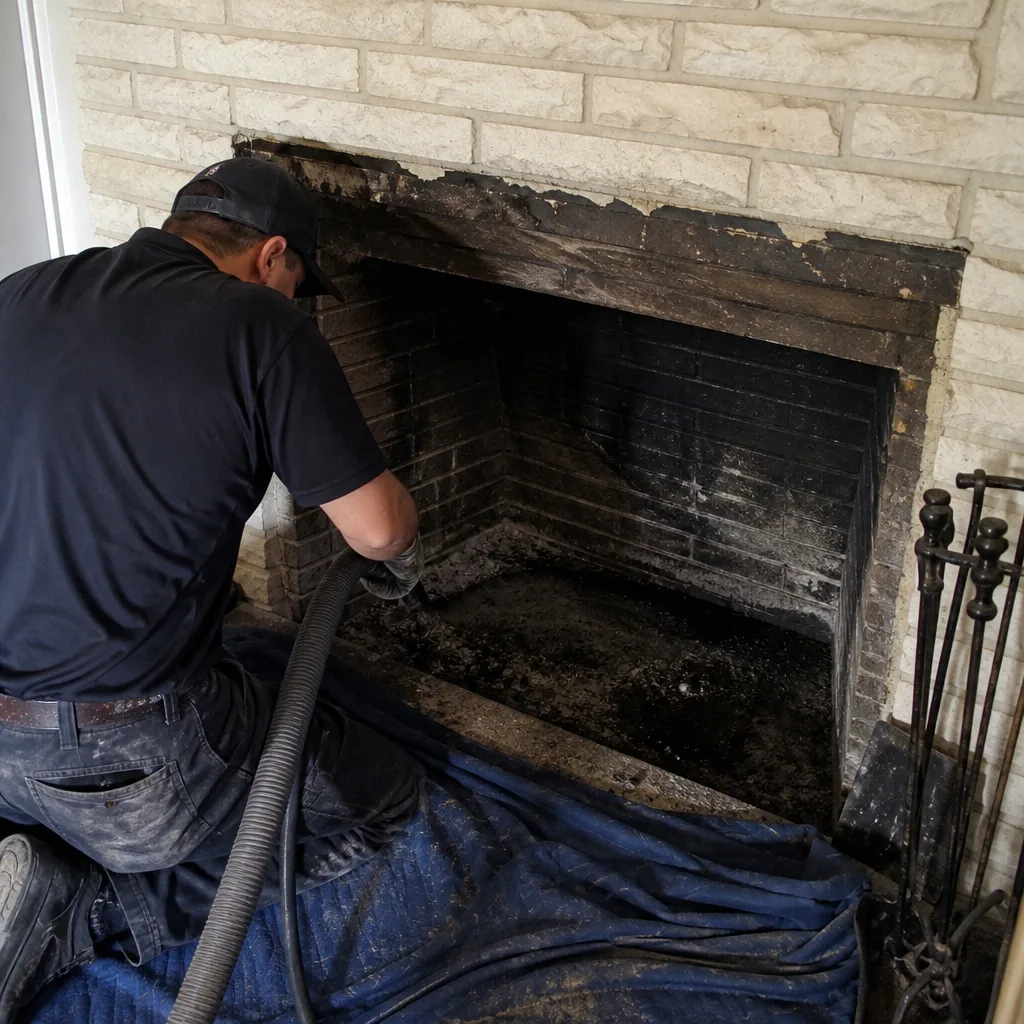 Before
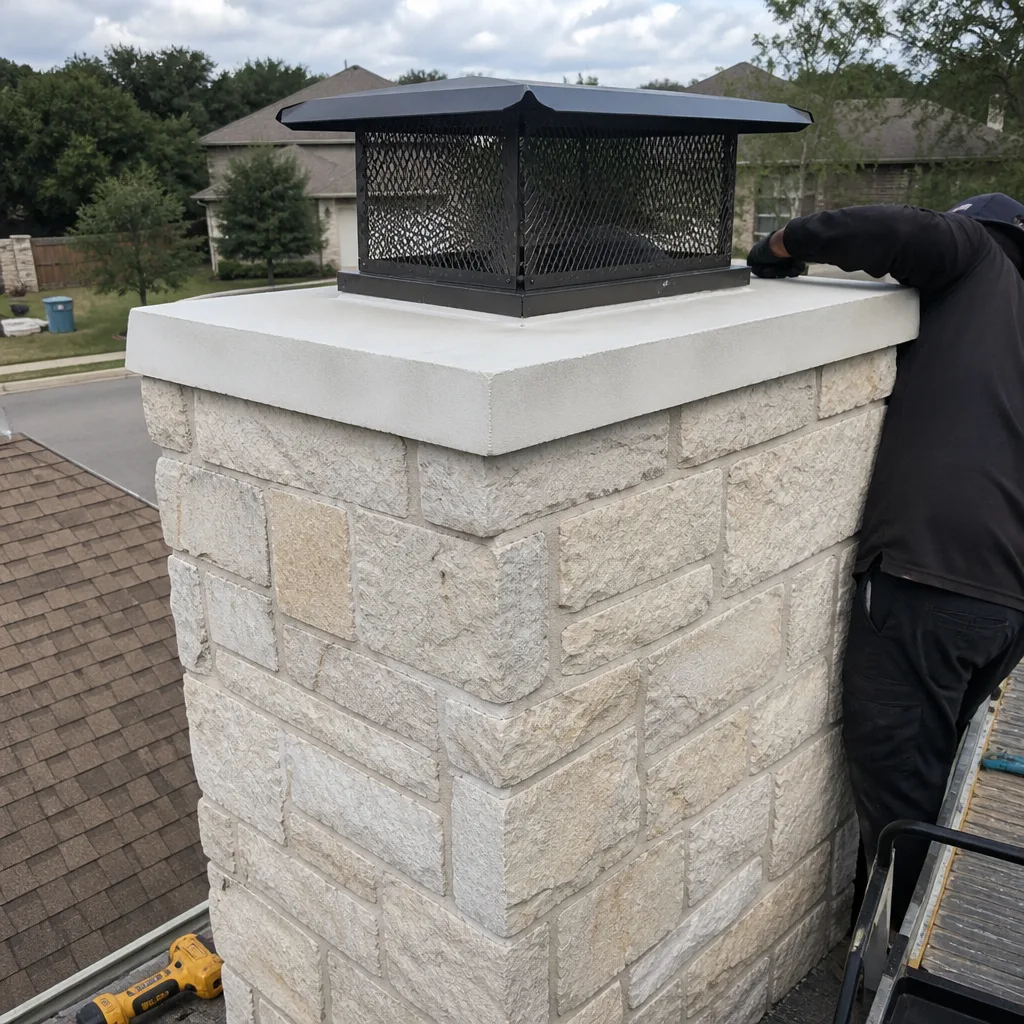 After
After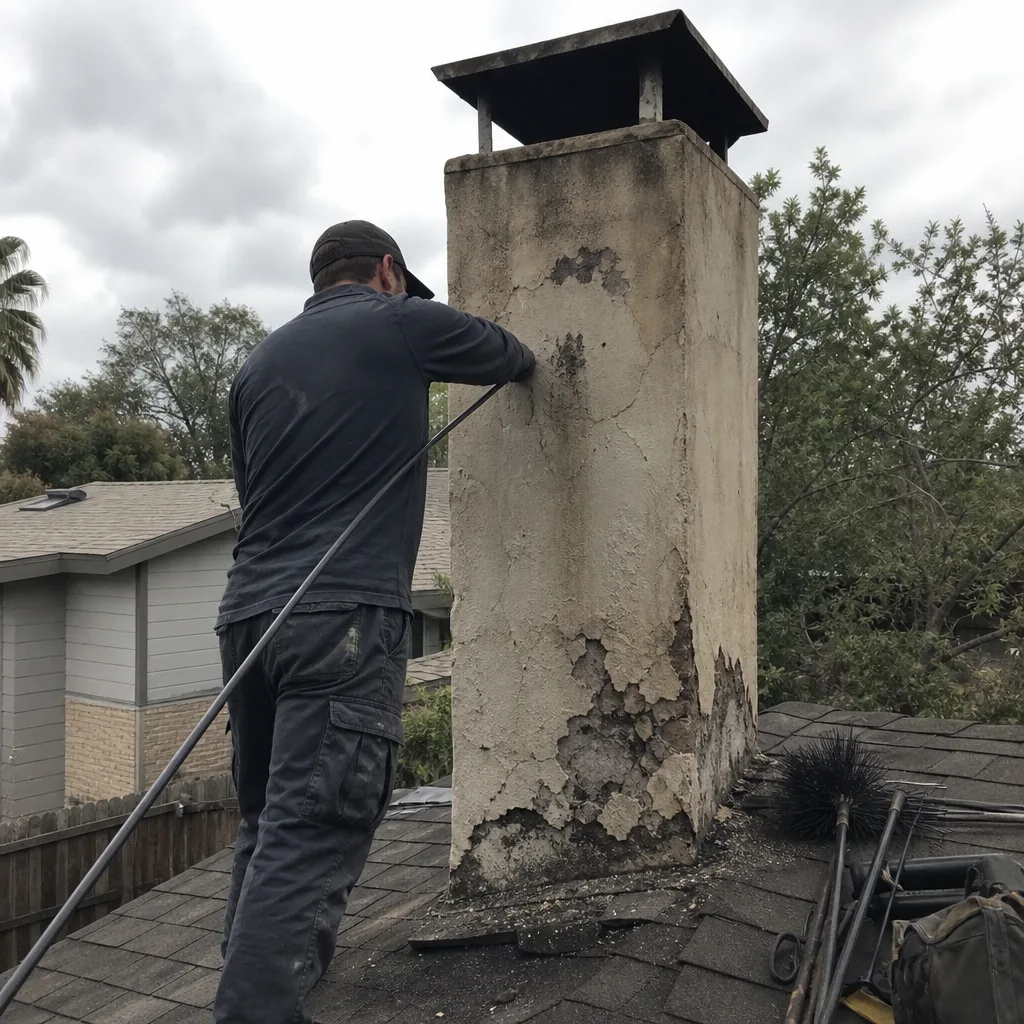 Before
 After
After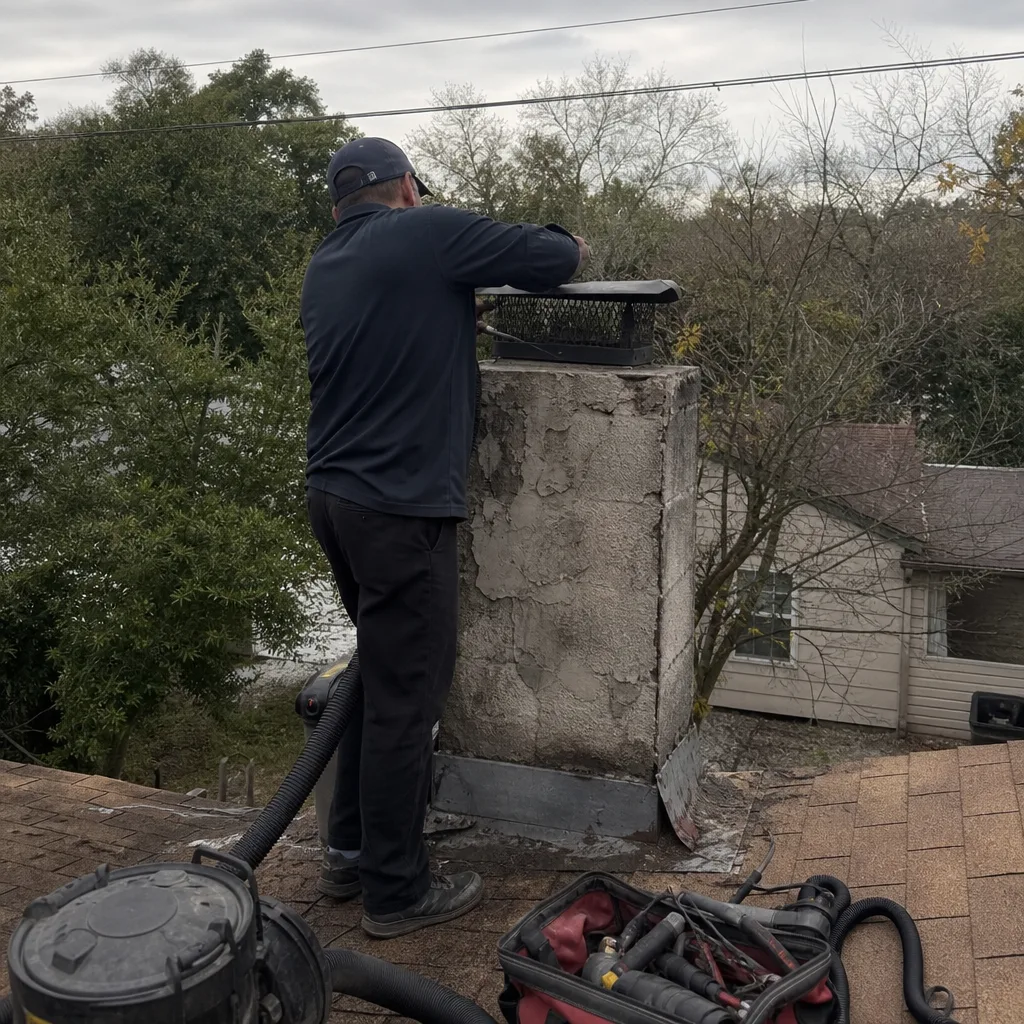 Before
 After
After