
Last updated October 15, 2026
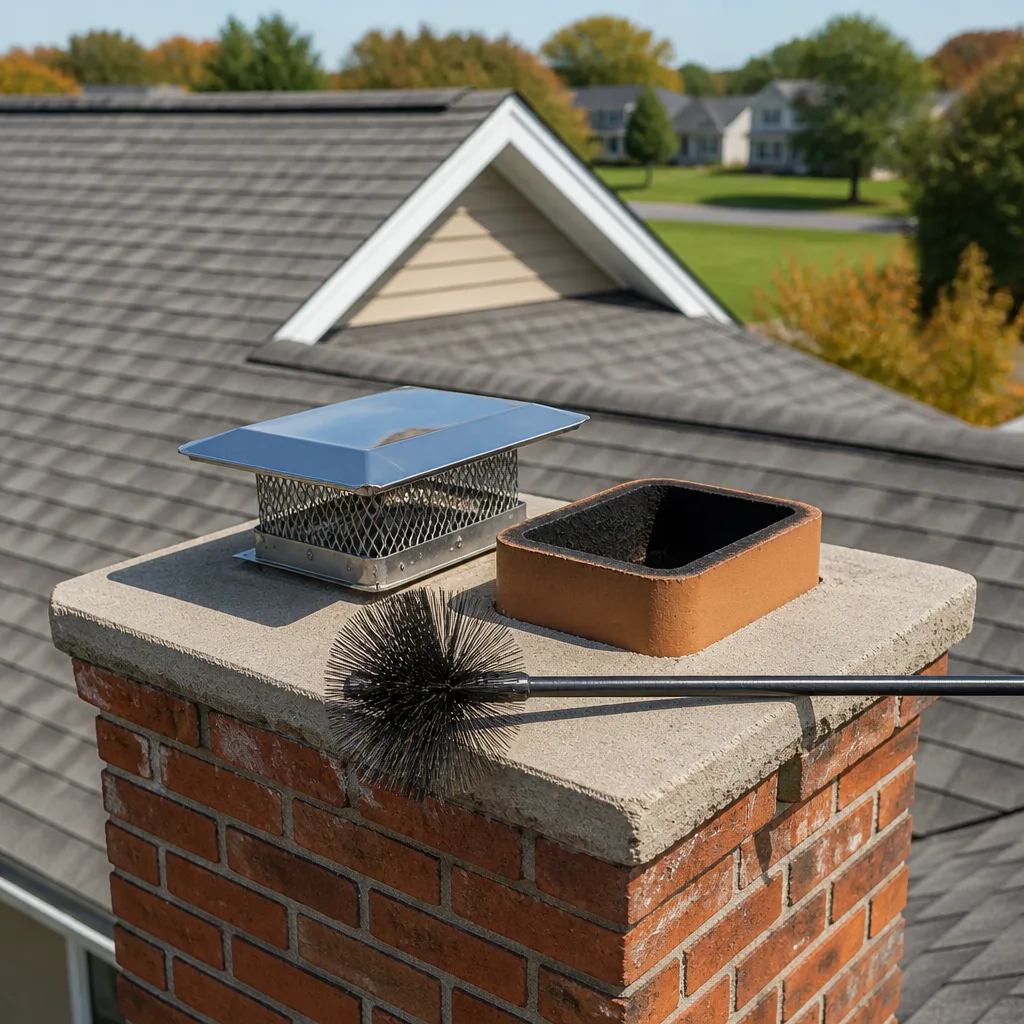 Sweep & inspection
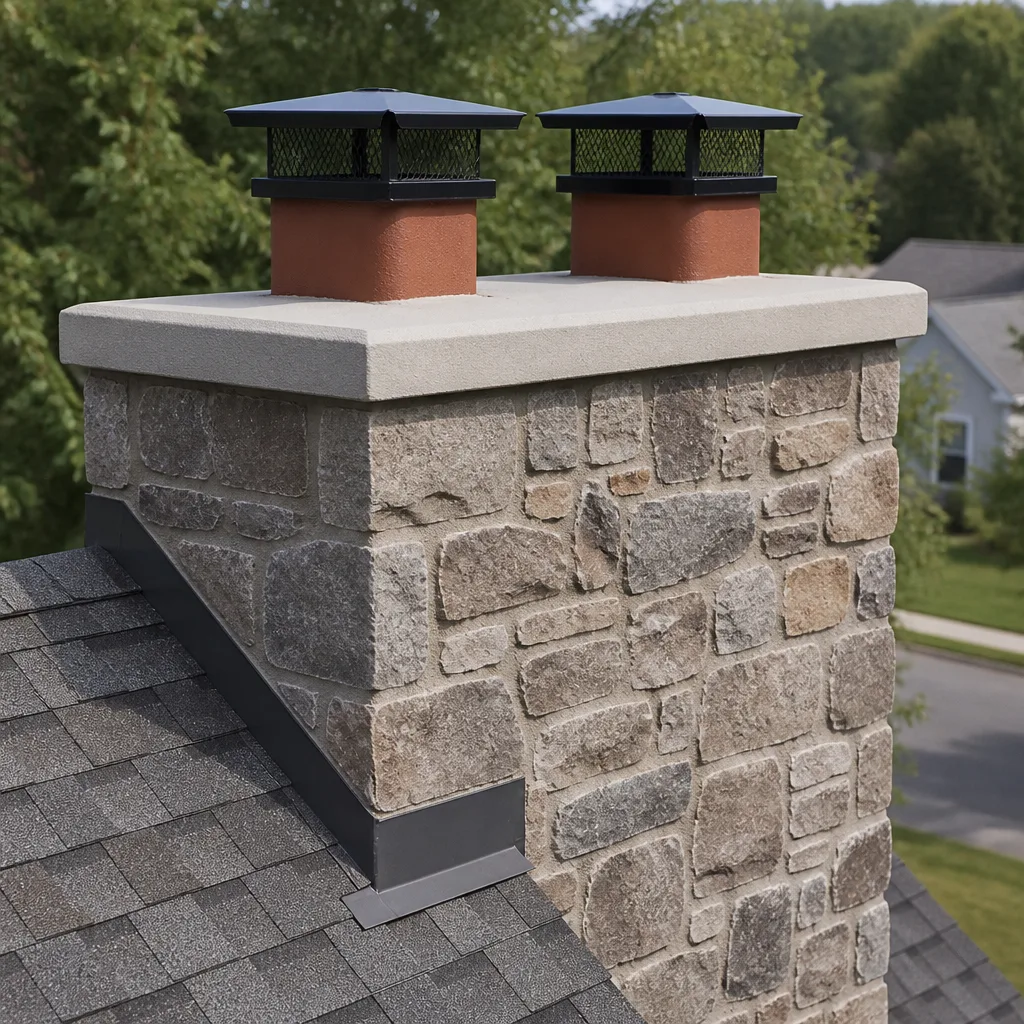 Caps & crowns
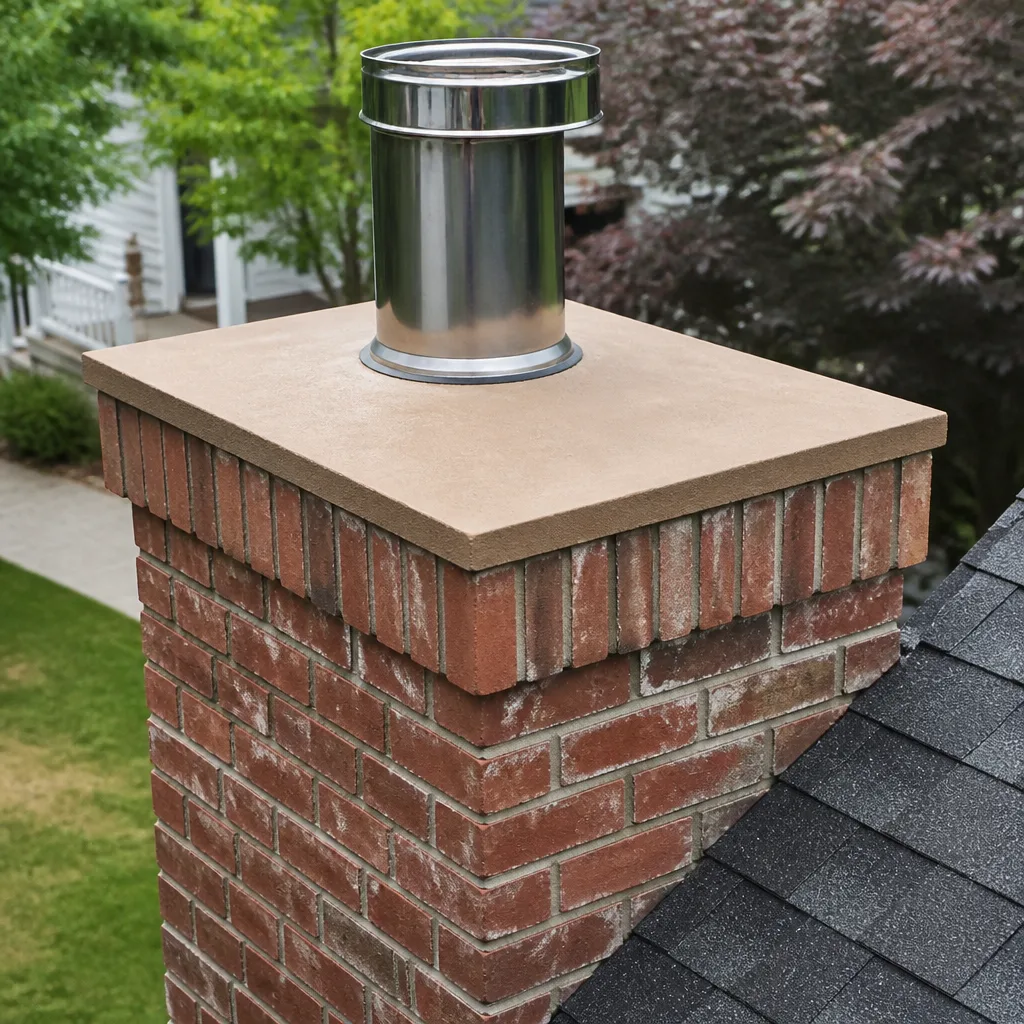 Flue relining
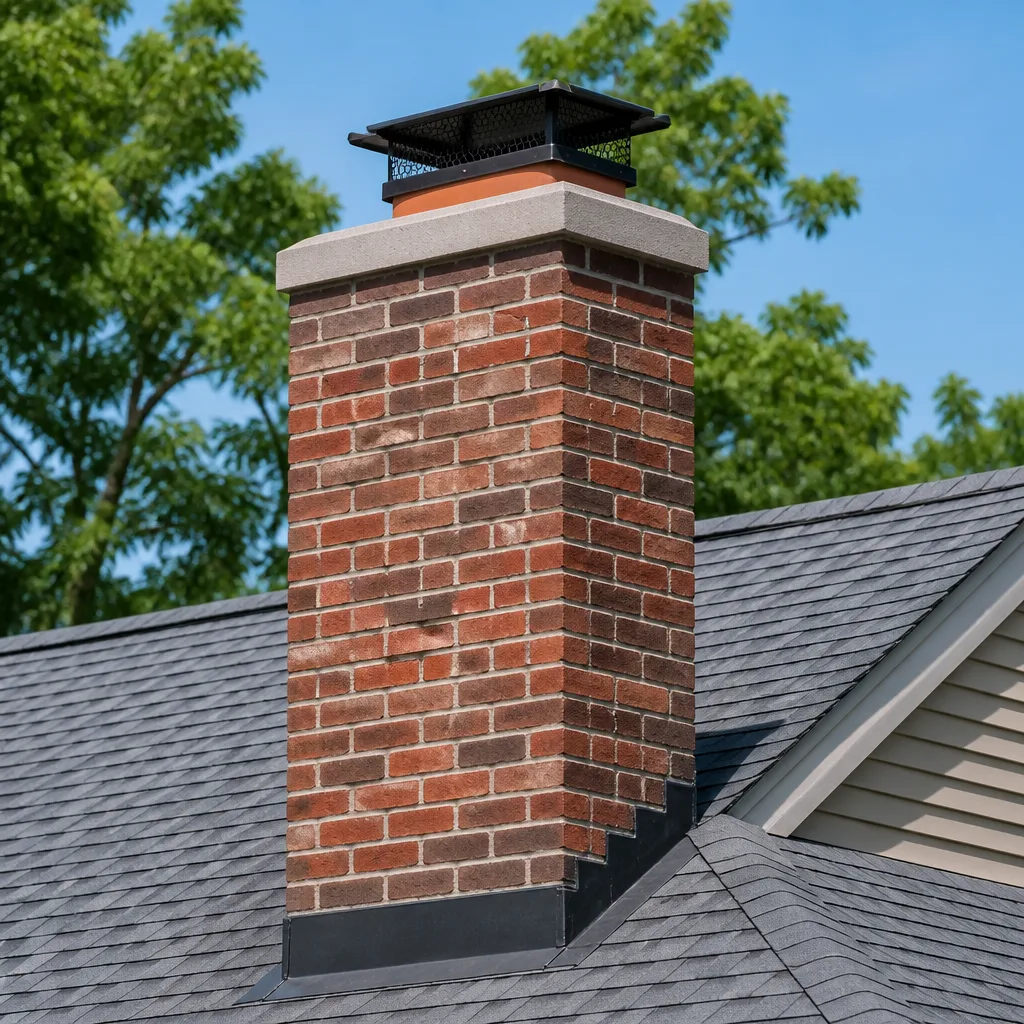 Masonry repair
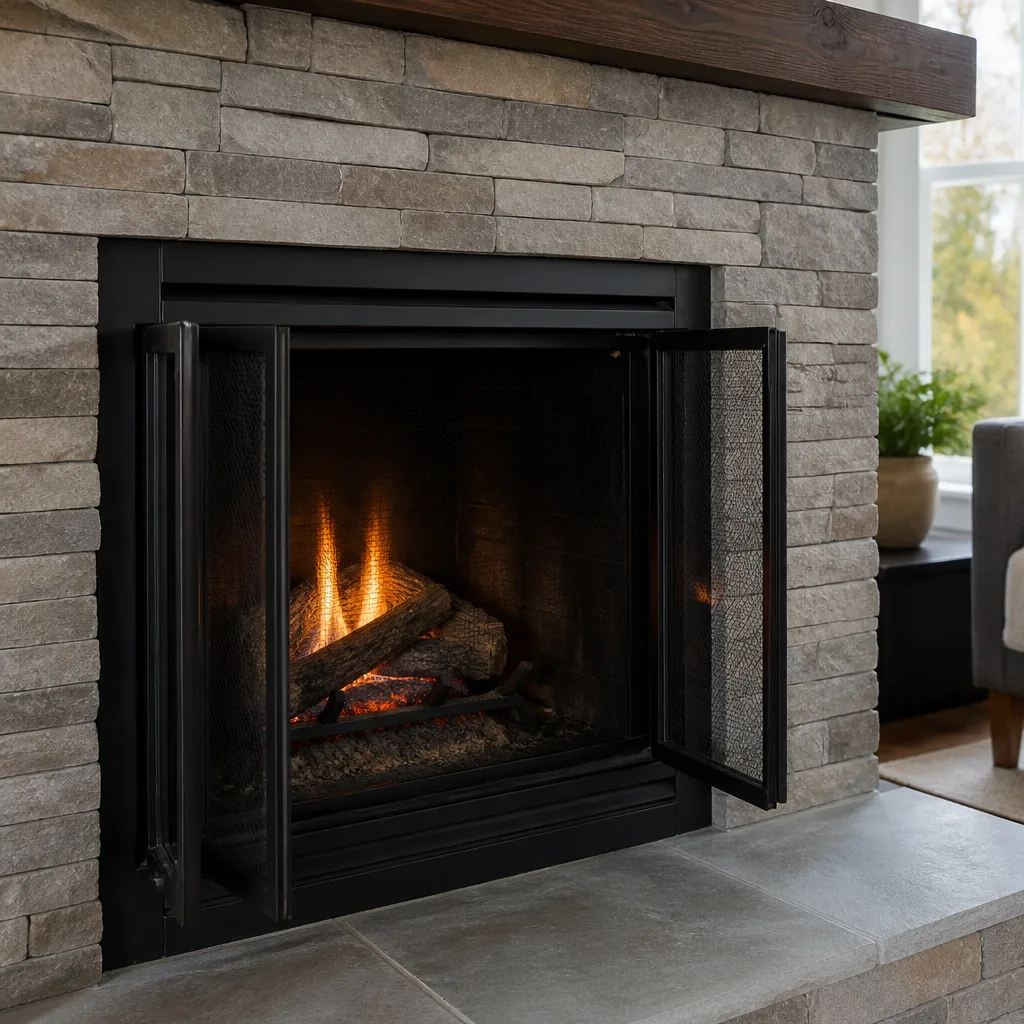 Gas fireplace service
Level 1 sweep and inspection to the NFPA 211 annual standard - flue, crown, cap, and flashing checked and photographed
Chimney sweep logs do not sweep chimneys. They loosen some creosote - which then falls where a brush and vacuum still have to collect it.
Chimney Cleaning Cost Breakdown: The San Antonio Homeowner’s Reference for 2026
Here’s a counterintuitive fact about chimney cleaning in San Antonio: the cheapest quote is often the one that ends up costing you the most. That $49 sweep coupon tucked under your windshield wiper at the H-E-B on Bandera Road isn’t a discount. It’s a door opener. The company loses money on the sweep, so the technician’s job is to find something, anything, that needs “urgent repair” before you’re back inside. The average upsell attached to those coupons runs $300 to $900, sometimes for work that’s completely unnecessary. This guide will walk you through what a fair chimney cleaning actually costs in San Antonio in 2026, what drives the price up legitimately, and how to spot the padding from a mile away. For more guides & resources, see our blog.
Styles & brands we work with
Quick Answer
A chimney sweep and Level 1 inspection in San Antonio typically costs $189 to $329 for a single fireplace in 2026, with multi-flue homes and heavier creosote buildup pushing that toward $400 or more. A Level 2 camera inspection, which you’ll want if you’ve just bought the house or haven’t used the fireplace in years, runs $350 to $550 when bundled with a sweep. Cheap $49 to $99 “sweeps” are lead-generation tools that almost always come with high-pressure repair pitches.
Table of Contents
- What a Chimney Sweep Actually Costs in San Antonio in 2026
- Why Legitimate Prices Vary: Flues, Fuel, and Fireplace Type
- How to Read a Written Chimney Quote Line by Line
- The Three Levels of Chimney Inspection, Explained in Plain Words
- What Actually Happens if You Skip the Cleaning
- Why Two Written Quotes Matter More in San Antonio Than Anywhere Else
- Common Mistakes to Avoid
- When to Call a Professional
- Frequently Asked Questions
- The Bottom Line
What a Chimney Sweep Actually Costs in San Antonio in 2026
Let’s start with the number everyone searches for. In San Antonio, a standard chimney sweep with a Level 1 inspection runs $189 to $329 for a single fireplace. That’s the price you’ll see from established companies like Hadley Chimney San Antonio home service area providers who carry insurance, run background checks on technicians, and document their work. If you have two flues, which is common in older Alamo Heights and Monte Vista homes with a fireplace and a separate furnace flue, expect $300 to $450 for both.
Here’s the current market breakdown for chimney cleaning in San Antonio:
- Basic sweep, no inspection: $99 to $150. This is legal but incomplete. A sweep without an inspection tells you nothing about the condition of the flue, the liner, or the firebox.
- Sweep + Level 1 inspection: $189 to $329. This is the standard, recommended service for a fireplace you use regularly and haven’t had any issues with.
- Sweep + Level 2 camera inspection: $350 to $550. Required when you buy a home, after a chimney fire, after an earthquake, or when you’re changing fuel type (wood to gas, for instance).
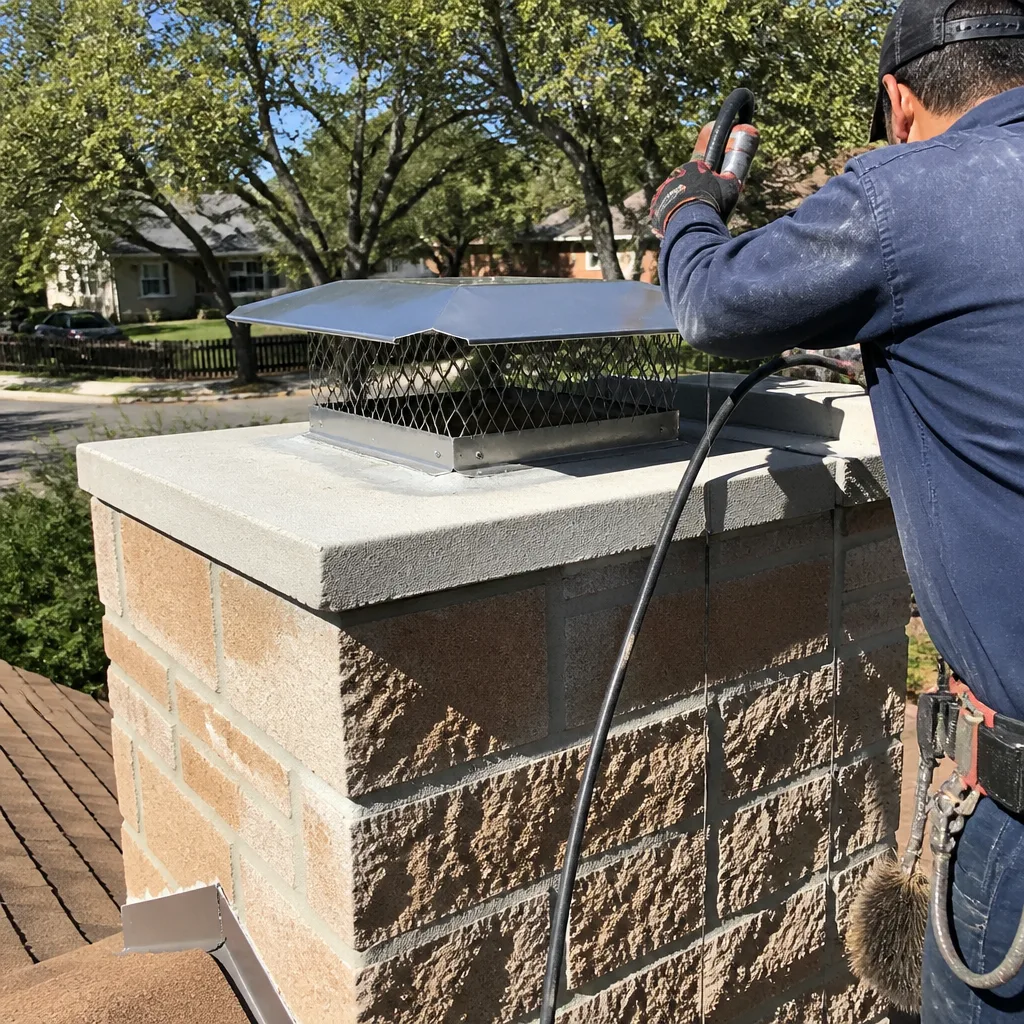
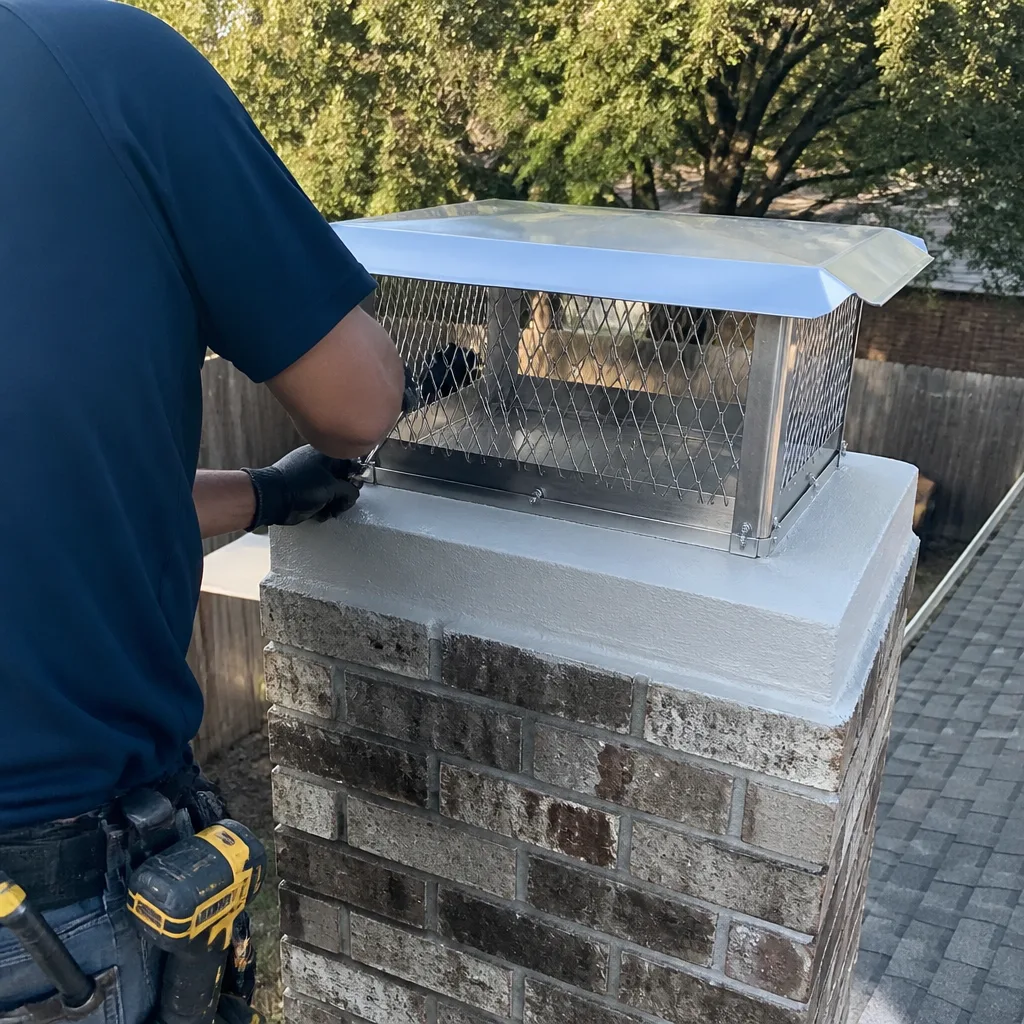
- Cap replacement: $150 to $350 installed. A chimney cap keeps rain, birds, and debris out, and in San Antonio’s spring storm season, a missing cap is the single most common cause of water damage we see.
- Creosote stage 3 removal: $400 to $700. This is hardened, glazed creosote (stage 3 is the glassy, tar-like deposit) and it requires chemical treatments or specialized rotary tools, not just a brush.
You’ll notice the word “creosote” keeps appearing. It’s the flammable tar-like residue that condenses on your flue walls when wood smoke cools. Stage 1 creosote is flaky soot, stage 2 is crunchy and granular, and stage 3 is that hard, shiny coating that looks like a black mirror. Stage 3 is what chimney fires are made of.
Why Legitimate Prices Vary: Flues, Fuel, and Fireplace Type
Not every $250 sweep is the same sweep, and not every $150 quote is a bargain. There are real, physical reasons one chimney costs more to clean than another, and knowing them puts you in a position of power when the estimate arrives.
Flue height and roof pitch. A single-story ranch in the Northeast Side with a short, straight flue is a quick, easy job. A three-story Victorian in King William with a steep, clay-tile roof and a 35-foot flue takes longer, requires more equipment, and carries more risk for the technician. Steep roofs and tall flues legitimately cost more. If your roof pitch is severe enough that the technician needs a roof ladder or special rigging, that should be a line item on the quote.
Number of fireplaces. Most San Antonio homes have one fireplace. But homes in Terrell Hills, Olmos Park, and older sections of Monte Vista sometimes have two or three, plus a furnace flue, plus a water heater flue. Our Chimney Sweep Maintenance Checklist for San Antonio Homeowners covers how to track each flue’s service schedule. Each flue takes time, and each flue means more creosote disposal. A company quoting $99 to clean “any chimney” isn’t thinking about your three-flue situation, which means either they’re going to do a rushed, incomplete job or they’re going to hit you with add-ons at the door.
Last cleaning date. If your chimney was last cleaned in 2019 and you burn fires every winter, the creosote buildup is going to be substantial. The technician has to take more passes with the brush, remove more debris from the smoke shelf, and possibly use a rotary cleaning head. That’s fine, that’s honest, but it should be reflected in the written price before work starts, not discovered halfway through.
Wood type and burn habits. San Antonio has two very different firewood markets. People who burn seasoned oak or mesquite that’s been drying for a year get a relatively clean burn. People who burn pine, cedar, or whatever they grabbed from the side of the road after a big storm are burning resin-rich wood that creates creosote fast. If you burn green wood, you’re going to need cleanings more often, and the cleanings will take longer.
What’s NOT a legitimate price driver: The technician’s mood, the size of your house, the neighborhood you live in, or “special equipment” that’s vague and unexplained. A written quote should tell you exactly what’s included and why the price is what it is. If an item just says “miscellaneous” or “service fee” with no explanation, ask before you sign.
How to Read a Written Chimney Quote Line by Line
This is the section that could save you $500 or more. When you get a written quote from a chimney company in San Antonio, here’s what each line should look like, and which ones should set off your internal alarm. If you’re unsure whether your chimney needs service at all, review our Chimney Cleaning Warning Signs: A San Antonio Homeowner’s Reference Guide.
A good quote will have:
- Sweep and creosote removal – clearly priced. It should say “standard sweep” or “rotary cleaning for stage 2 creosote” and the price should match the level of buildup described. Not just “cleaning.”
- Inspection level – specified. Is it a Level 1 visual inspection? Level 2 camera scope? The quote should name the level, because a Level 2 involves a camera and should cost more.
- Equipment and materials – item by item. If a cap needs replacing, the quote should say “6-inch stainless steel cap” and name the brand if it’s a premium one. Chimney pros working in San Antonio use materials like Copperfield and Olympia Chimney products because they hold up to our heat and humidity, and the quote should reflect that.
- Labor – a flat number. You should see a single labor line, not “hourly rate plus materials” with no estimated hours. Flat pricing is a protection for you, not a trick.
- Cleanup and disposal. It costs money to haul away creosote and soot. A small line item for disposal is normal.
- Guarantee terms – in writing. If the company offers a guarantee, like the 365-Day Done Right Promise we put on every repair, it should be in writing on the quote, not promised verbally.
These are the line items that should make you ask questions:
- “Full liner replacement (recommended)” – with no camera images provided, no explanation of what the camera showed, and no second opinion. A liner replacement runs $3,000 to $7,000 in San Antonio, and you should never accept that recommendation without seeing the damage yourself. We use camera systems and show the homeowner exactly what the camera sees. No camera footage, no repair order.
- “Level 2 inspection required” – for a chimney you’ve swept every year and have had no issues with. Level 2 is warranted after a chimney fire, after a major weather event, at a home sale, or after long periods of disuse. If none of those apply, push back.
- “Firebox rebuild” – quoted from a cursory look at the firebrick. Some firebox cracking is cosmetic and safe. Cracks that go through the mortar into the structure behind the firebrick are a different story. Ask for photos of the cracks and an explanation of what’s cosmetic vs. structural.
- “Chimney crown sealant” – at $1,500+ for a chimney that had a crown seal two years ago. Crown sealant, when done properly with a product like Gelco or similar industrial sealant, lasts 10 to 15 years in San Antonio’s climate. If you had it done recently, ask why it failed.
- Any line item that was never discussed verbally. If the technician didn’t mention a repair during the visit but it shows up on the quote, that’s not a quote, that’s an ambush.
We’ve built our pricing model at Hadley around one principle: a written price before work starts, every single time. Not an estimate. Not a ballpark. A written number that doesn’t change when the technician is on your roof. That’s the standard that should be normal across San Antonio, and it isn’t.
The Three Levels of Chimney Inspection, Explained in Plain Words
Most homeowners hear “inspection” and picture a guy looking up the chimney. That’s partially right. The Chimney Safety Institute of America defines three levels, and understanding them is the key to knowing what you’re paying for.
Level 1: The Standard Annual Check. This is a visual inspection of the readily accessible parts of the chimney: the firebox, the damper, the flue opening, the exterior, and the cap if it’s reachable. No special tools. It’s included with most standard sweeps and is appropriate if you use the chimney the same way every year and haven’t noticed any problems. Cost: typically bundled with a sweep.
Level 2: The Camera Scope. This uses a closed-circuit video camera sent up the flue to inspect the full interior length, including the liner, the joints, and the smoke chamber. You get a visual record of what’s inside. Level 2 is required when you buy a home, after a chimney fire, after a seismic event, after severe weather, or when you’re changing the system – wood to gas, or installing a new insert. Cost: $150 to $300 when added to a sweep. Home sellers in San Antonio frequently order Level 2 inspections because home inspectors don’t scope chimneys, and buyers should see the liner before they close.
Level 3: The Destructive Investigation. This is what happens when a Level 2 camera scope shows something that needs closer examination, but the problem area is hidden inside the masonry or behind the wall. Access panels may be opened, and it’s the most invasive and most expensive level. Cost: $500 to $1,500. It’s rare, but if someone quotes you a Level 3 inspection out of nowhere, ask what the Level 2 showed that led them there.
The takeaway: when a chimney company says “inspection included,” they almost always mean Level 1. That’s fine if that’s what you need. But for a home purchase or a chimney that hasn’t been touched in a decade, a Level 2 camera scope is the honest tool. We’d rather run a camera and show you the condition than guess.
What Actually Happens if You Skip the Cleaning
Here’s the honest version, without the scare tactics. If you skip a chimney cleaning in San Antonio and you use your fireplace regularly, creosote builds up. That’s not opinion, it’s chemistry. The more creosote, the more fuel there is for a chimney fire. A chimney fire in San Antonio can burn at over 2,000°F, hot enough to crack flue tiles, warp the metal liner, and breach the surrounding structure. The fire doesn’t have to escape the chimney to cause damage – the heat alone can ignite framing members behind the brick.
The cost consequence is sobering. A chimney fire restoration in San Antonio averages $3,000 to $15,000, depending on the liner damage, the structural impact, and whether the fire spread to the home. A new stainless steel liner system, which is the standard repair after a liner breach, runs $3,000 to $7,000 on its own. A full rebuild with masonry work can hit five figures.
Compare that to a $250 annual sweep, and the math isn’t hard. But there’s another risk beyond fire, and it’s one that gets less attention in San Antonio’s climate: carbon monoxide. A blocked or overflowing flue can push carbon monoxide back into the home, which is colorless, odorless, and lethal in high enough concentrations. A clean flue with a working damper is your defense. The risk is real, but it’s also manageable with annual maintenance. No fear required.
Why Two Written Quotes Matter More in San Antonio Than Anywhere Else
San Antonio is a big, diverse market for home services, and the chimney trade is far less regulated than plumbing or electrical work. There’s no master chimney license in Texas the way there is for HVAC. That means the barrier to entry for a chimney company is low: a truck, a brush, and a logo. The barrier to getting it right – proper insurance, training, camera equipment, written guarantees – is much higher.
This is why two written quotes is the single most effective protection you have as a homeowner. Here’s the protocol:
- Ask for the quote in writing, with itemized line items, before any work begins. If the company won’t put it in writing, end the call. Verbal quotes are not quotes.
- Compare the two quotes side by side. Look at what’s included at each price. A $199 sweep that includes a Level 1 inspection and a written guarantee is a different product than a $149 sweep from a company that won’t disclose anything in writing.
- Watch for the wedge. If one company recommends a liner replacement and the other doesn’t mention it, ask the first company for the camera footage. If they can’t produce it, the liner “problem” probably doesn’t exist.
- Look at the company’s history. A company that’s been in San Antonio since 2003, like Chimney Sweep in San Antonio through Hadley’s network, has two decades of local reputation at stake. A company that’s been around for six months has less to lose by overcharging you.
Two quotes also force the conversation to be about specifics. When you ask what’s included, what the inspection level is, what the guarantee covers, and what the camera showed, you sound like someone who’s done their research. Companies that play games don’t like those customers. Good companies do.
At Hadley, we actually want you to get a second quote. Here’s why: our pricing is built around transparency, the Relay Visibility Guarantee that gives you live arrival tracking and before-and-after photo documentation, and a written price before work starts. If you compare that to a competitor who sends a guy with a truck and a verbal estimate, the choice makes itself. Chimney Repair in San Antonio requires the same written standard that we apply to cleanings.
Common Mistakes to Avoid
- Falling for the $49 coupon sweep. It’s a lead-generation tool, and the “inspection” that comes with it is a sales script, not a safety check. The average upsell is $300 to $900. That $49 sweep becomes a $700 bill before you’ve finished your coffee.
- Accepting a verbal quote. If it’s not written, it didn’t happen. Verbal quotes in the chimney industry are invitations to price inflation once the technician is on site. Demand it in writing.
- Skipping the Level 2 camera inspection on a home purchase. The standard home inspection in San Antonio doesn’t include a chimney camera scope. You could be buying a house with a cracked liner and no way to know until you’ve already closed.
- Assuming expensive means honest. Some of the most inflated chimney quotes in San Antonio come from companies that charge premium prices for basic work and then tack on “maintenance plans” that cost more than the maintenance they cover. Price alone tells you nothing. Written line items tell you everything.
- Ignoring a missing or damaged cap. San Antonio gets serious spring storms, and a missing cap is an open invitation for rain, animals, and debris in your flue. A $150 to $350 cap replacement prevents thousands in water damage in the firebox and smoke chamber.
- Letting a technician quote a “full liner replacement” without camera footage. You are entitled to see the problem. A camera scope costs a few hundred dollars. A liner replacement costs $3,000 to $7,000. The camera scope is the cheaper diagnostic.
- Only calling when something goes wrong. Chimney fires don’t announce themselves in advance. Annual cleaning with a Level 1 inspection is the cheapest risk reduction you can buy for your home. Skipping it to save $200 is a bet with a very bad downside.
When to Call a Professional
There are situations where no amount of reading or Googling replaces a trained, insured chimney technician. If you smell smoke in the house when the damper is closed, see a black, glassy buildup on the flue walls, hear birds or animals in the chimney, notice water staining on the ceiling near the fireplace, or see rust on the damper or firebox, call a professional before you use the fireplace again. If you’ve just bought a house in San Antonio and the seller can’t produce a chimney inspection report, schedule a Level 2 camera scope before you light anything. And if you’ve had a chimney fire of any size – even a small one that seemed to burn itself out – get the chimney inspected before the next burn. Gas Fireplace Repair in San Antonio and wood fireplace work both carry the same baseline: let a pro look first.
Frequently Asked Questions
A standard chimney sweep with a Level 1 inspection in San Antonio runs $189 to $329 for a single fireplace in 2026. Multi-flue homes, steep roofs, and heavy creosote buildup can push that higher. A bare-bones sweep without an inspection might be $99 to $150, but you’re not saving money if the inspection catches nothing and you have a hidden liner problem. Call (254) 276-4116 for an exact quote on your specific chimney – the estimate is free and it’s in writing before any work starts.
Every year, regardless of how often you use the fireplace. The National Fire Protection Association recommends annual inspection and cleaning as needed. If you burn pine or cedar, or you burn fires more than twice a week during the season, you may need twice-yearly cleanings. In San Antonio, our mild winters mean many fireplaces sit dormant from April to October, and that dormancy can allow creosote to harden and flake, making the fall cleaning more involved. Annual cleaning keeps the creosote from reaching stage 2 or stage 3, which is when it becomes dangerous and expensive to remove.
A liner replacement is one of the most expensive chimney repairs, running $3,000 to $7,000 in San Antonio, and it’s also one of the most commonly over-recommended. You should never accept a liner replacement recommendation without seeing camera footage of the damage. A proper Level 2 camera inspection will show cracks, gaps, or corrosion in the liner that you can see with your own eyes. If the technician can’t produce the footage, get a second opinion. A good company will show you the camera screen and explain exactly what you’re looking at. At Hadley, we document everything we recommend with photos and video before we quote a repair.
A sweep removes the creosote, soot, and debris from the flue, the smoke shelf, and the firebox. An inspection evaluates the condition of the chimney system – the liner, the masonry, the crown, the flashing, the damper. They’re different jobs with different goals, and both matter. A sweep without an inspection leaves you blind to structural issues. An inspection without a sweep doesn’t remove the fuel that causes chimney fires. Most reputable companies bundle them, which is why the standard “sweep and Level 1 inspection” price in San Antonio is what it is.
You can buy a chimney brush at a hardware store, but here’s the problem: you’ll be working on a roof, and falling off a roof is a leading cause of home-maintenance injury. Beyond that, a DIY sweep from the top down may not remove creosote from the smoke shelf or the damper area, which are the most common trouble spots. And a DIY sweep gives you no inspection at all – no camera, no trained eye, no evaluation of the liner or crown. The $200 you save isn’t worth the risk to your safety or the blind spot you leave in your chimney system. Call a professional with the right equipment and insurance.
Because the market is unregulated, and because some companies treat the sweep as a loss leader for repair sales. Established companies with insurance, background-checked technicians, and written guarantees price a sweep at $189 to $329 because that’s what it costs to do the job properly and stay in business. Fly-by-night operators can undercut that price because they carry minimal insurance, pay technicians on commission for upsells, and don’t back their work with anything. The variance isn’t about the quality of the sweep at the $99 end – it’s about what they plan to sell you once the brush is in the flue. Get two written quotes, compare the line items, and the difference will be obvious.
The Bottom Line
A fair chimney cleaning in San Antonio costs $189 to $329, includes a Level 1 inspection, and comes with a written price, a written guarantee, and documentation of what was done. If you’re using a fireplace that hasn’t been serviced in years, add a Level 2 camera scope to the bill. The $49 coupon sweeps are a trap, and the most expensive chimney repair – a liner replacement – should never be recommended without camera footage you can see for yourself. Annual cleaning is the cheapest insurance against a $3,000 to $15,000 chimney fire restoration. And the single best move you can make, in this market and in this climate, is to get two written quotes and compare them line by line. It forces the whole industry to be honest.
Written by Cory Mitchell, Owner at Hadley Chimney San Antonio, serving San Antonio since 2003.
See the difference
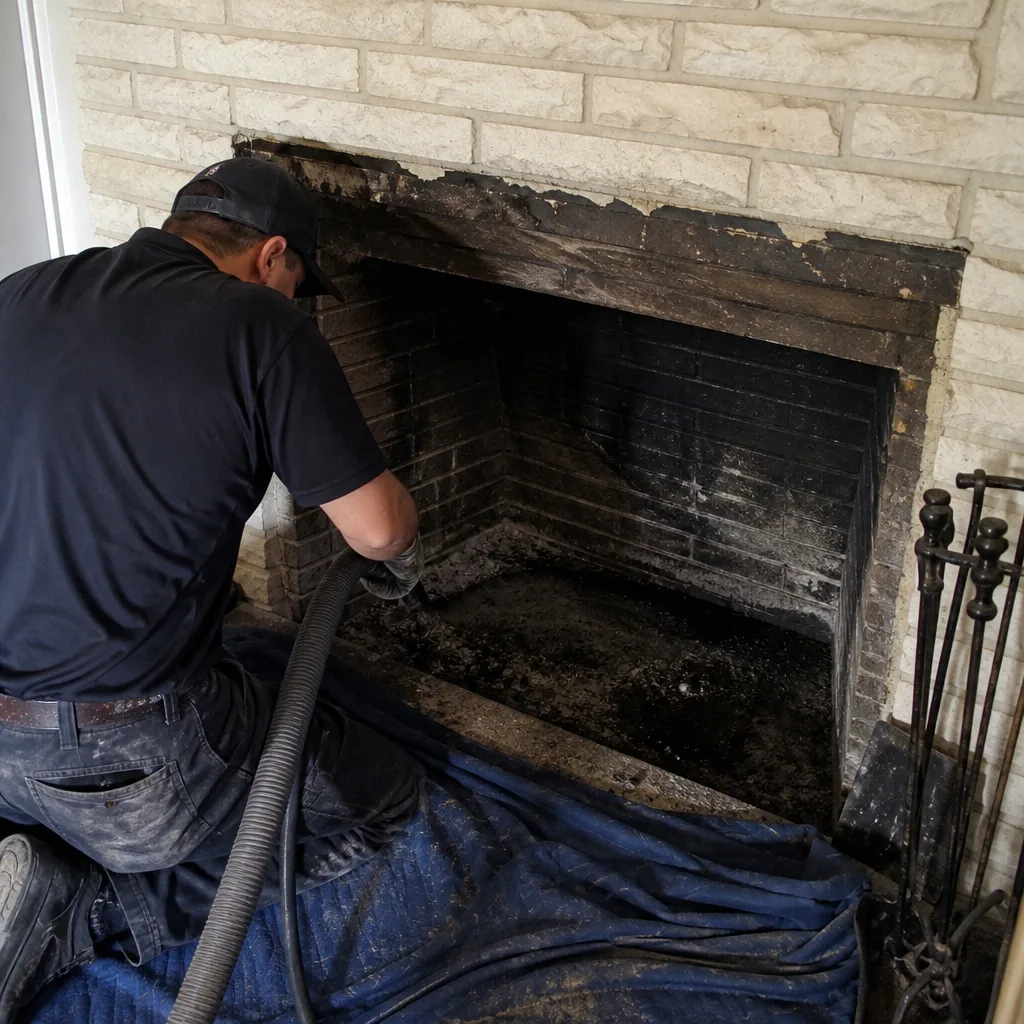 Before
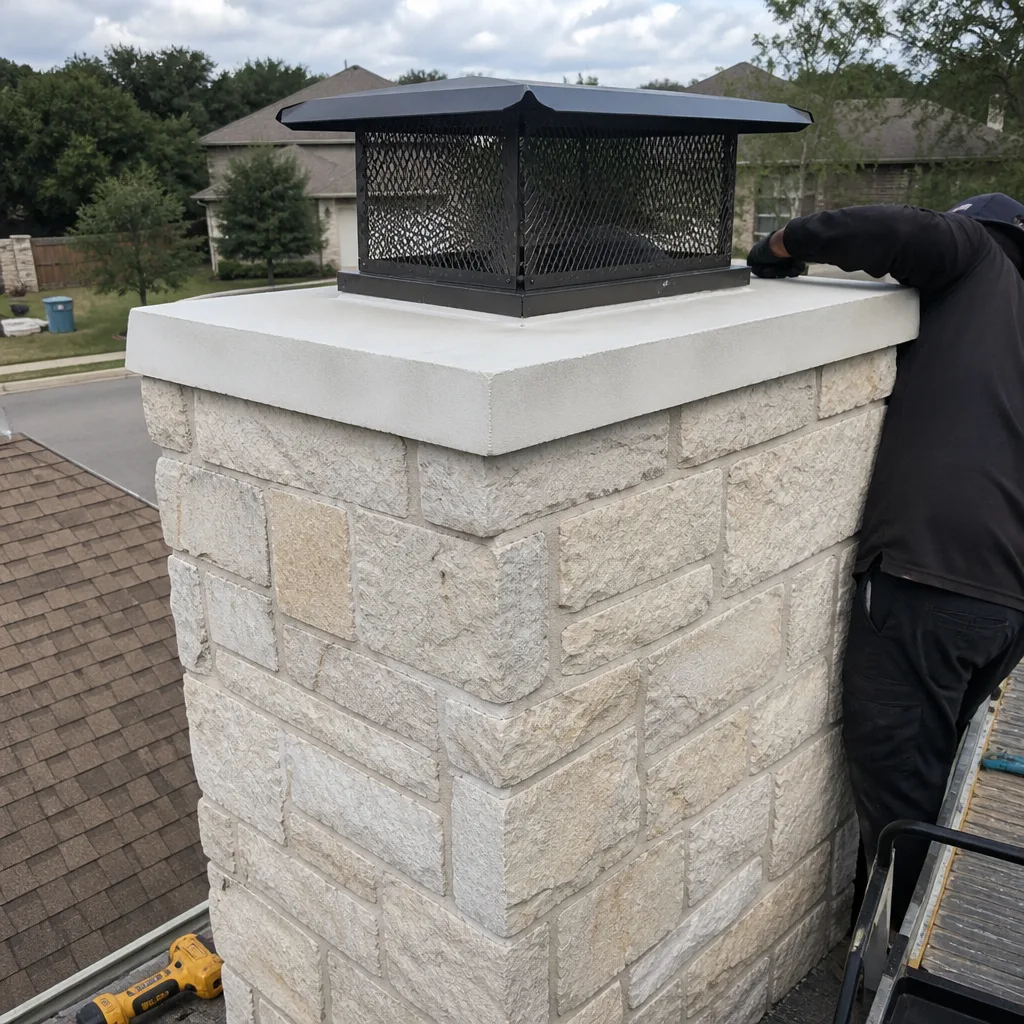 After
After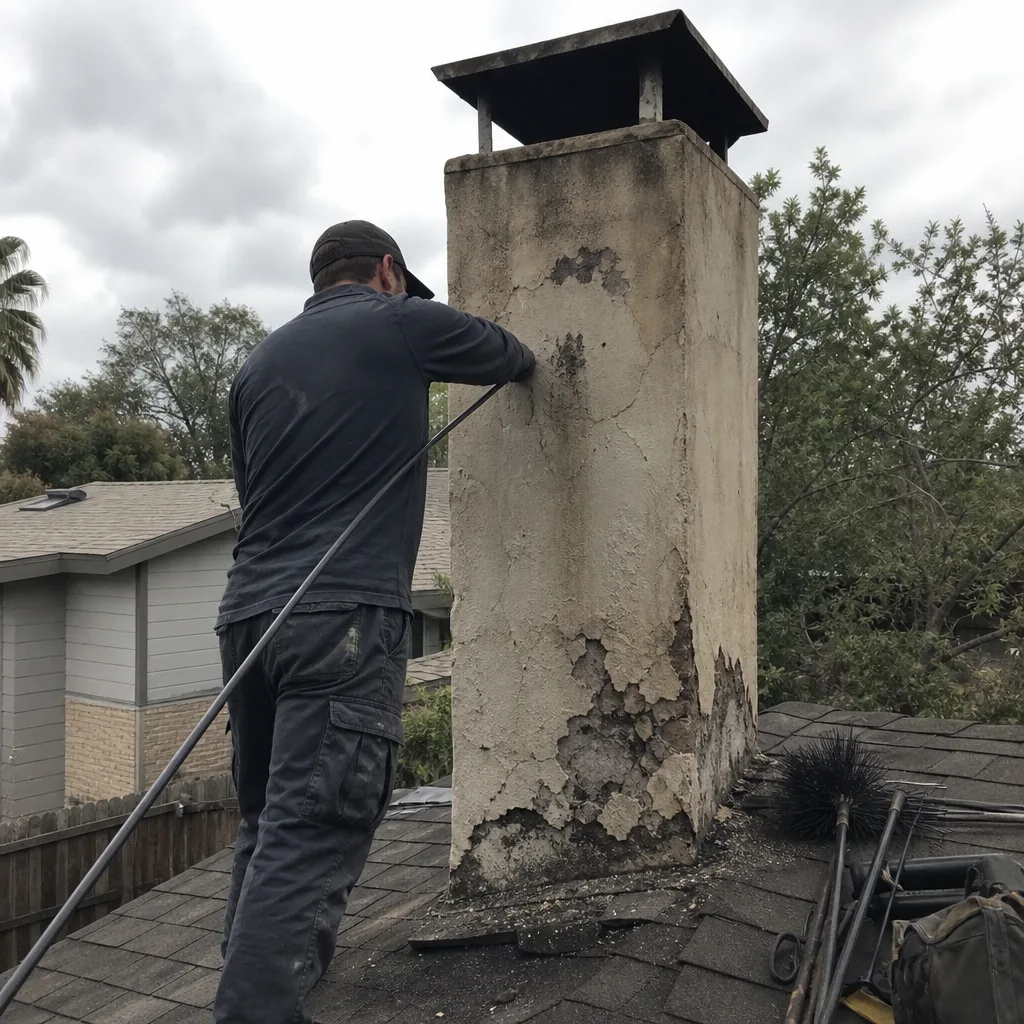 Before
 After
After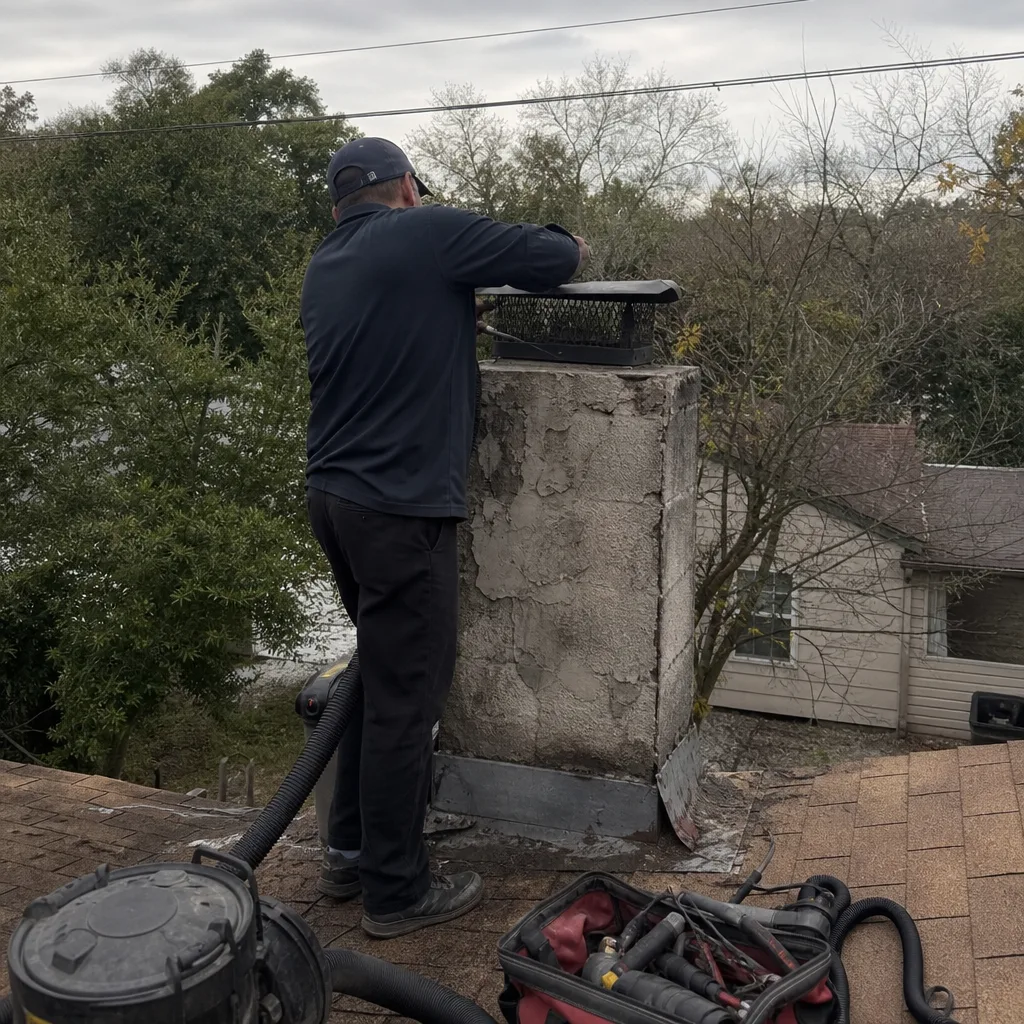 Before
 After
After