
Last updated October 15, 2026
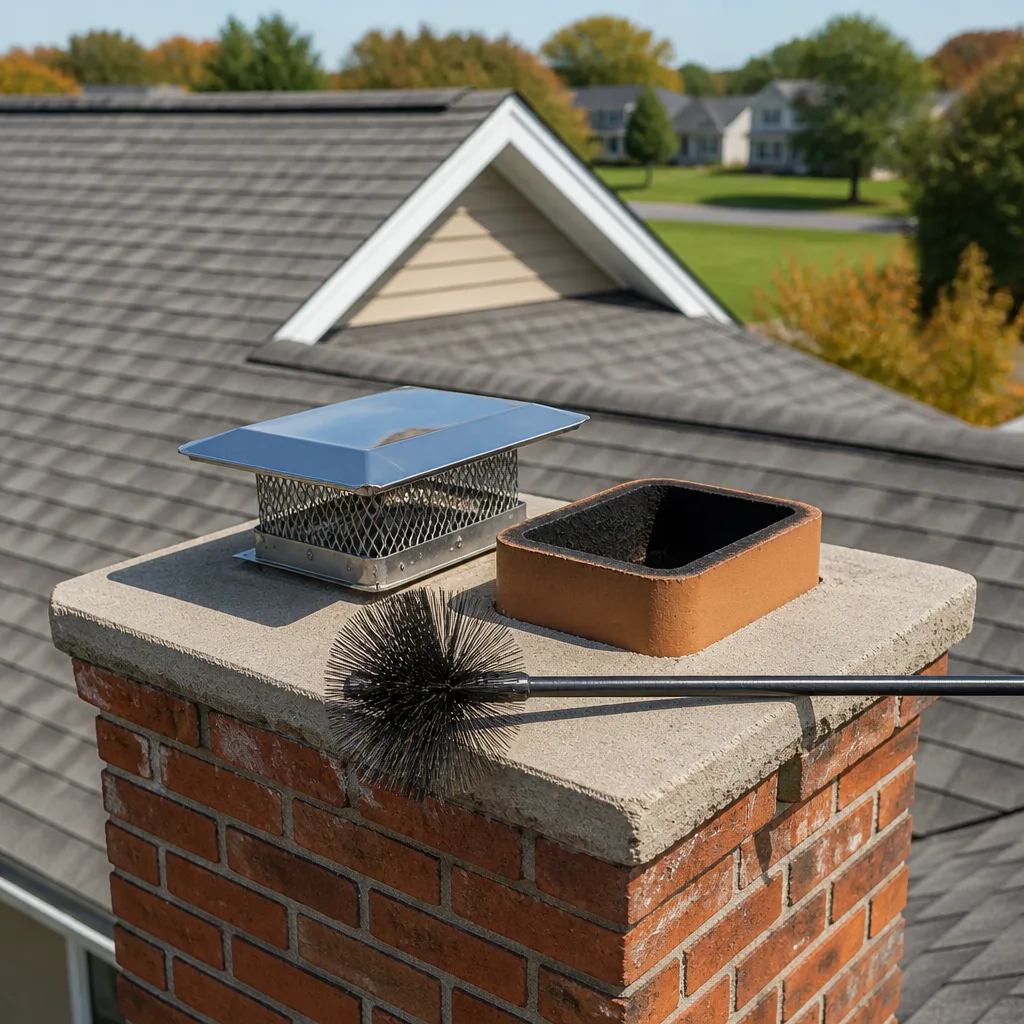 Sweep & inspection
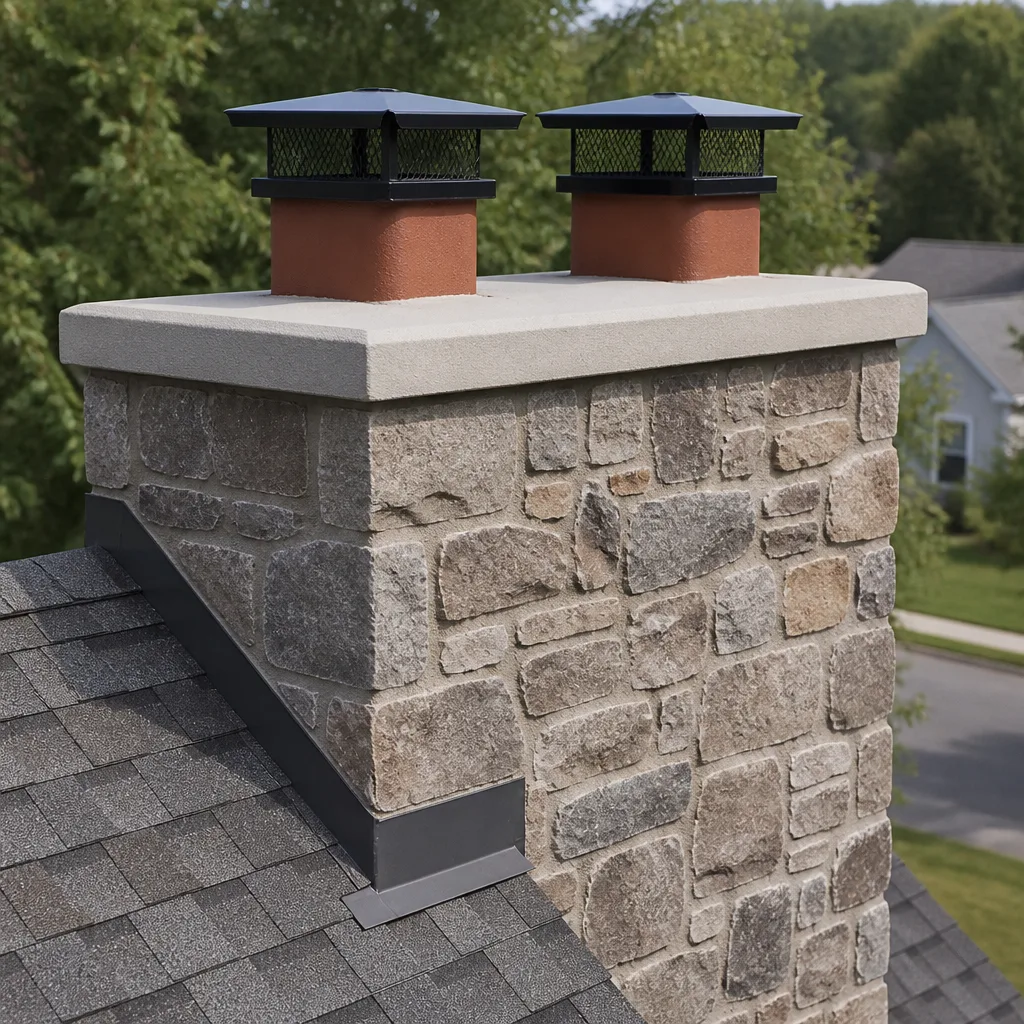 Caps & crowns
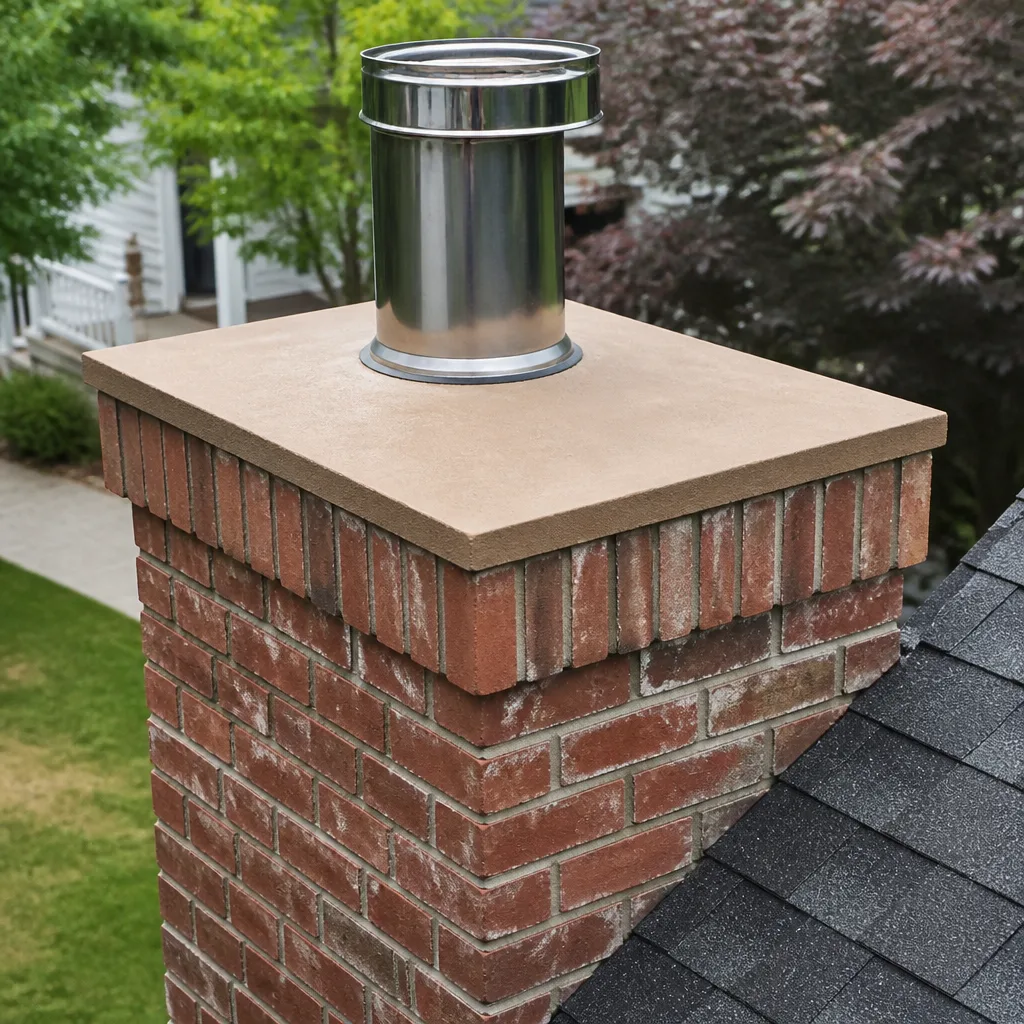 Flue relining
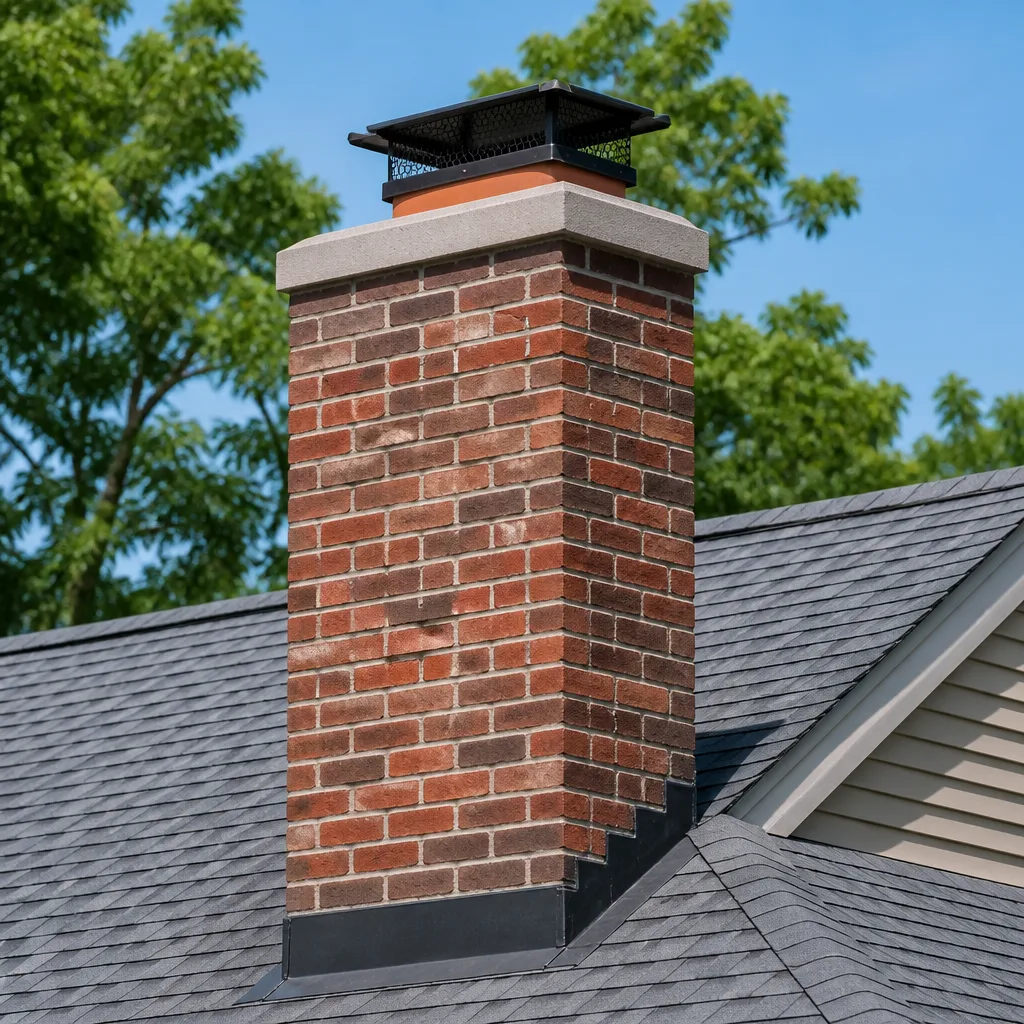 Masonry repair
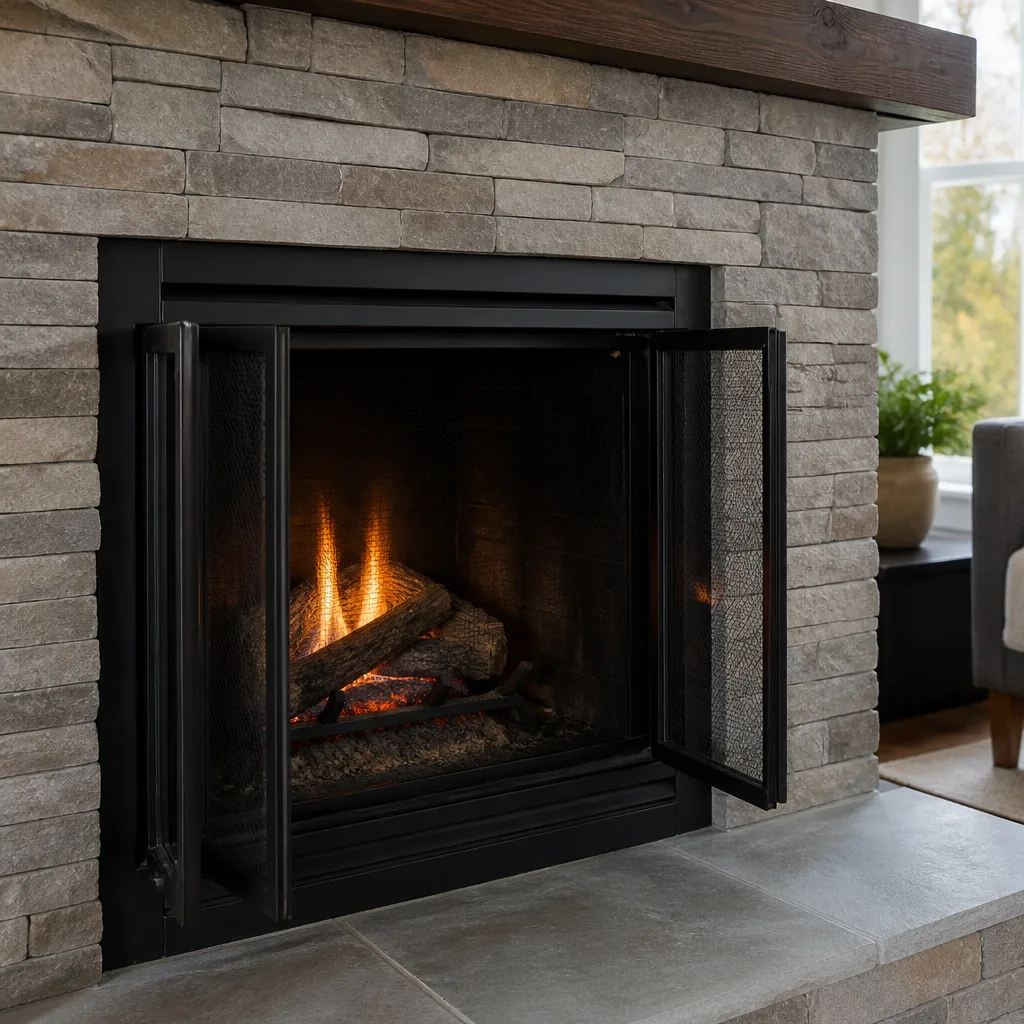 Gas fireplace service
Level 1 sweep and inspection to the NFPA 211 annual standard - flue, crown, cap, and flashing checked and photographed
Chimney sweep logs do not sweep chimneys. They loosen some creosote - which then falls where a brush and vacuum still have to collect it.
Chimney Cleaning Permits, Codes & Inspections in TX: What You Need to Know
The phone call usually goes like this: a homeowner in San Antonio books a $199 chimney cleaning, the tech climbs onto the roof, comes back down thirty minutes later, and says the words that make everyone’s stomach drop: “You’ve got a cracked liner. That’s going to be about $6,000, and yeah, you’ll need a permit for that.” The $199 cleaning just became a construction project, and the homeowner never saw it coming. Here’s what nobody tells you about chimney work in Texas: the cleaning itself is unregulated, but the repairs that follow it sit squarely in the world of permits, codes, and inspections. This guide walks through exactly where that line is, what the City of San Antonio actually enforces, what NFPA 211 means for your insurance, and how to ask a contractor the right questions before you’re standing in your living room holding a surprise quote. For more guides & resources on keeping your chimney safe, explore our blog.
Quick Answer
Routine chimney cleaning and inspection does not require a permit anywhere in Texas, including San Antonio. However, structural repairs to the chimney like firebox rebuilding, masonry restoration beyond cosmetic pointing, and especially chimney liner replacement do require permits from the City of San Antonio Development Services Department. The permit is typically pulled by the contractor, and the work is then inspected by a city code enforcement officer to confirm it meets current building code.
Styles & brands we work with
Table of Contents
- What Chimney Work Actually Requires a Permit in Texas
- What Never Requires a Permit: Cleaning, Caps, and Cosmetic Work
- How San Antonio’s Development Services Department Handles Chimney Permits
- What NFPA 211 Inspections Are and When They Matter to Texas Homeowners
- The Insurance Angle: How Unpermitted Repairs Can Void a Fire Claim
- How to Ask Your Contractor About Permits (and What Their Answer Tells You)
- Common Mistakes to Avoid
What Chimney Work Actually Requires a Permit in Texas
Texas has no statewide permitting requirement for any chimney work. That sentence matters more than it seems. Permitting authority sits entirely with individual cities and counties, which means the rules in San Antonio are not the rules in Dallas, Houston, or unincorporated Bexar County. In practice, though, most Texas municipalities with a building code follow a similar framework: the dividing line is whether the work is cosmetic or structural.
Here’s the breakdown for San Antonio:
- Chimney liner replacement: Requires a permit. This is structural work that changes how your chimney handles heat and combustion gases. The City of San Antonio treats liner replacement as a mechanical or building alteration, not maintenance.
- Firebox rebuilding: Requires a permit. Removing and rebuilding the firebox, where the actual fire burns, is structural masonry work. A cracked firebox or shifting firebrick is not a cosmetic issue.
- Chimney tear-down and rebuild above the roofline: Requires a permit. This is the heaviest chimney work you can do short of removing the structure entirely.
- Masonry repair beyond tuckpointing: If a contractor is removing and replacing bricks, not just filling mortar joints, that crosses into structural territory and triggers a permit.
- Adding a new chimney to an existing home: Always a permitted job. New construction of any kind requires plans, a permit, and an inspection.
- Converting a fireplace from wood-burning to gas: Requires a permit in San Antonio. Gas line work falls under mechanical permitting, and the city wants to see the gas line tested before the first flame.
In our experience, the most common permit surprise in San Antonio involves the liner. Homeowners treat the liner like a consumable part, but the city treats it as an alteration to the home’s exhaust system. The line between the two is where inspection requirements show up. A contractor who knows San Antonio’s Development Services Department inside and out will tell you before the work starts whether a permit is needed. One who does not know, or does not want the added time and cost, may tell you after. Ask before you sign anything.
What Never Requires a Permit: Cleaning, Caps, and Cosmetic Work
Chimney sweeping, the actual mechanical brushing of creosote from the flue, is completely unregulated at the city level in San Antonio. For a deeper look at proper upkeep, see our Chimney Sweep Maintenance Checklist for San Antonio Homeowners. No permit, no inspection, no registration with the city. It is a maintenance service, like having your gutters cleaned or your HVAC filter replaced. The same is true for chimney inspections, whether visual or camera-based.
Here is the full list of what does not require a permit in San Antonio:
- Routine chimney sweeping: Removal of soot and creosote (the flammable tar buildup that makes chimneys a fire risk) from the flue interior. No permit, ever.
- Level 1 chimney inspection: The visual inspection of the readily accessible parts of the fireplace and chimney. Part of a standard sweep visit.
- Chimney cap replacement: Swapping a rusted cap for a new one is a component swap, not a structural change. No permit needed.
- Damper replacement or repair: A replacement damper that fits into the existing flue structure is maintenance, not construction.
- Flashing repair at the roof line: Re-securing or replacing flashing around the chimney base is a roofing function and typically falls outside the mechanical permit process.
- Tuckpointing (repointing mortar joints): Removing degraded mortar and filling joints with fresh mortar without disturbing the bricks themselves is considered cosmetic maintenance in most San Antonio code interpretations.
- Creosote treatment or chemical cleaner application: Products applied to break down creosote deposits are treatments, not structural changes. No permit.
Where this gets tricky is the gray zone between categories. A chimney cap replacement does not need a permit, but if the cap replacement involves rebuilding the flue crown or removing bricks at the top of the chimney, now we are in structural territory. The size and cost of the job are not what determine permit requirements. What determines it is whether the work changes the structural integrity or exhaust pathway of the chimney. If you are ever unsure, call the City of San Antonio Development Services Department directly. A five-minute call answers what could otherwise become a four-week permitting delay mid-project.
How San Antonio’s Development Services Department Handles Chimney Permits
The City of San Antonio has its own building code and its own enforcement authority, and it is stricter than the surrounding unincorporated areas of Bexar County. If you live within city limits, which includes neighborhoods like Alamo Heights, Stone Oak, Leon Valley, Converse, and the entire central corridor from Olmos Park down through King William, the Development Services Department is your permitting authority. Outside city limits, permit enforcement falls to the county, which is noticeably lighter.
Here is how San Antonio’s process actually works for chimney repairs:
- The contractor pulls the permit. This is the norm in San Antonio. A licensed contractor registers the job with the Development Services Department before work begins. Homeowners can self-pull permits, but that puts the liability for code compliance on you, not the contractor.
- Work proceeds. The contractor performs the liner replacement, firebox rebuild, or masonry repair per the approved scope.
- City inspection is scheduled. Once the work is done but before it is covered up, the contractor calls for an inspection. For liner replacements, the inspector is looking at the connection at the appliance, the firestop at the ceiling penetration, and the termination at the cap.
- Inspection passes or fails. If the work does not meet code, the contractor fixes it and calls for reinspection. You want this to happen before anyone patches drywall or lays stone over the chimney chase.
- Permit is closed. The job is documented in city records. This matters for resale value and for insurance claims.
One San Antonio-specific wrinkle: the city has moved heavily toward online permitting through its DevelopSA portal, and chimney work falls under mechanical or building permits depending on scope. A liner replacement is typically a mechanical permit. A masonry rebuild is a building permit. A contractor who does both in one job may need both. This is the kind of nuance that separates experienced chimney contractors in San Antonio from generalists. A handyman doing side work does not pull two permits. A chimney company that does this every week knows to check both departments before the first brick is touched.
What NFPA 211 Inspections Are and When They Matter to Texas Homeowners
NFPA 211 is the National Fire Protection Association standard for chimneys, fireplaces, vents, and solid fuel-burning appliances. It is not a law, but in Texas it becomes legally relevant in specific situations: when a home is being sold, when an insurance company is evaluating a claim, and when a city code references the standard as part of an inspection. If you have ever been told your chimney needs a “Level 2 inspection” and wondered who decided that, the answer is NFPA 211. Not sure when to schedule service? Read our Chimney Cleaning Warning Signs: A San Antonio Homeowner’s Reference Guide.
There are three inspection levels:
- Level 1: Visual inspection of accessible portions of the chimney, fireplace, and flue. This is the standard inspection during a routine sweep. It confirms the chimney is clear and safe for continued use under the same conditions.
- Level 2: Everything in Level 1 plus video scanning of the flue interior and inspection of the attic, crawlspace, and roof areas around the chimney. Required when there has been a change in the system: a new appliance, a fuel change, a chimney fire, an earthquake or severe storm, or a home sale. In Texas, real estate transactions commonly trigger a Level 2 inspection when the home inspector flags a chimney concern.
- Level 3: Everything in Level 2 plus removal of building components, like opening a wall to access a concealed portion of the chimney. Happens when a Level 2 inspection finds a serious problem that cannot be fully evaluated without opening the structure. This is the most invasive and most expensive inspection level.
For a Texas homeowner, the practical takeaway is simple: if you are buying or selling a home in San Antonio, and the chimney becomes part of the negotiation, a Level 2 inspection with a camera is the professional standard. A sweep alone is not enough to confirm the flue is solid. We have seen home sales in neighborhoods like Terrell Hills and Castle Hills stall for weeks because a Level 1 sweep missed what a Level 2 camera inspection found in five minutes. The inspection level is not a marketing term. It is a defined standard, and when an inspector writes “Level 2 chimney inspection recommended” on a home report, that language comes directly from NFPA 211.
The Insurance Angle: How Unpermitted Repairs Can Void a Fire Claim
Here is the part that rarely comes up until after a fire, and that is exactly the problem. Homeowners insurance policies in Texas typically contain language that excludes coverage for damage caused by work that was not performed to code or that was not permitted when a permit was required. If you have a chimney fire, and the insurance adjuster discovers that the liner was replaced three years earlier without a permit, the claim gets complicated fast.
The sequence in Texas typically works like this:
- A chimney fire occurs. The homeowner files a claim for fire damage, smoke damage, and water damage from firefighting.
- The insurance adjuster investigates the cause. Most chimney fire investigations point to creosote buildup or a failed component in the chimney system.
- The adjuster checks building records. If records show a liner was replaced or a firebox rebuilt without a permit, the adjuster may argue the damage resulted from non-compliant work.
- The claim is denied or reduced. Even if the fire was purely an accumulation issue, an earlier unpermitted repair gives the insurer a basis to question the whole chimney’s condition.
San Antonio homeowners are not uniquely exposed here, but the risk is real anywhere in Texas where unpermitted chimney work is common. The protection is straightforward: when you pay for a liner replacement or structural chimney repair, get a copy of the closed permit. Not a verbal “we handled it.” Not a text saying the inspection passed. A copy of the permit, with the city’s final inspection sign-off. If the contractor cannot or will not provide it, that is your cue to look elsewhere. The permit is not bureaucracy for its own sake. It is the documentation that protects you if something goes wrong years later.
How to Ask Your Contractor About Permits (and What Their Answer Tells You)
The way a contractor answers a permit question tells you more about how they operate than any review or marketing claim. Here is a script you can use, word for word, before you sign a contract for any chimney repair in San Antonio:
“Does this work require a permit from the City of San Antonio, and will you be pulling it?”
Then listen. The right answer is direct, specific, and immediate. Something like: “Yes, a liner replacement needs a mechanical permit. We pull it before we start, and we schedule the city inspection when the work is done. Here is the permit fee on your quote.” That answer tells you the contractor knows San Antonio’s process, has pulled permits before, and is not going to put you in a bind.
The wrong answer is a deflection. Any of these should stop you:
- “You don’t really need a permit for that.” If the work is structural, this is false, and the contractor either does not know the code or does not want the inspection.
- “We can do it without a permit if you want to save money.” This puts the liability on you. The contractor saves time; you take on the risk. The money is not worth it.
- “The permit process takes too long.” In San Antonio, a standard chimney repair permit is a routine process. A contractor who finds it too time-consuming is telling you they do not want the oversight.
- “We’ll get the permit after we start.” There is no legitimate reason to start structural chimney work before the permit is pulled.
A contractor who works with quality materials like Copperfield chimney accessories and Gelco sealants, and who pulls proper permits, is building a business on longevity, not quick cash. The permit conversation is the quickest way to separate the two.
Common Mistakes to Avoid
- Assuming a chimney cleaning quote includes a full inspection. A sweeping removes creosote. An inspection evaluates the whole system. They are not the same thing. Always confirm what you are paying for.
- Ignoring a contractor who wants to pull a permit. A permit adds cost and time, but it also adds legal protection and code compliance. If a contractor wants to do structural work without one, that is a warning sign, not a bargain.
- Paying for a repair without getting the permit documentation. You want a copy of the closed permit, not a verbal confirmation. This is your protection for insurance purposes.
- Scheduling a sweep only when you smell smoke. In San Antonio’s climate, where fireplaces sit idle for months, creosote can accumulate faster than homeowners expect. Annual service is the baseline, not the ceiling.
- Buying a home in San Antonio without a Level 2 chimney inspection. A standard home inspection does not include a camera scan of the flue interior. If the chimney is a major component of the home, a Level 2 inspection is cheap assurance.
- Getting a chimney liner replaced without asking what brand is going in. Not all liners are equal. Contractors who install names like Copperfield and Olympia Chimney products are using materials that meet known standards. Generic no-name parts have no track record.
Permit Costs and Timelines in San Antonio
Permit costs in San Antonio vary by scope, but homeowners should expect a mechanical permit for chimney liner work to run between $75 and $200 in most cases. Building permits for masonry rebuilds run higher, often in the $150 to $400 range depending on the valuation of the work. The Development Services Department processes many residential permits within one to two weeks, though complex jobs may take longer. None of this is prohibitive, which is why an experienced contractor treats the permit as a routine part of the job, not an obstacle.
The larger cost of skipping a permit is hidden. A denied insurance claim can cost hundreds of thousands of dollars. A required teardown of unpermitted work, which does happen in San Antonio when work is discovered during a subsequent permitted project, can double the cost of the original repair. The permit fee is not the thing to save money on. The phone call to Development Services before the work starts is free.
See the difference
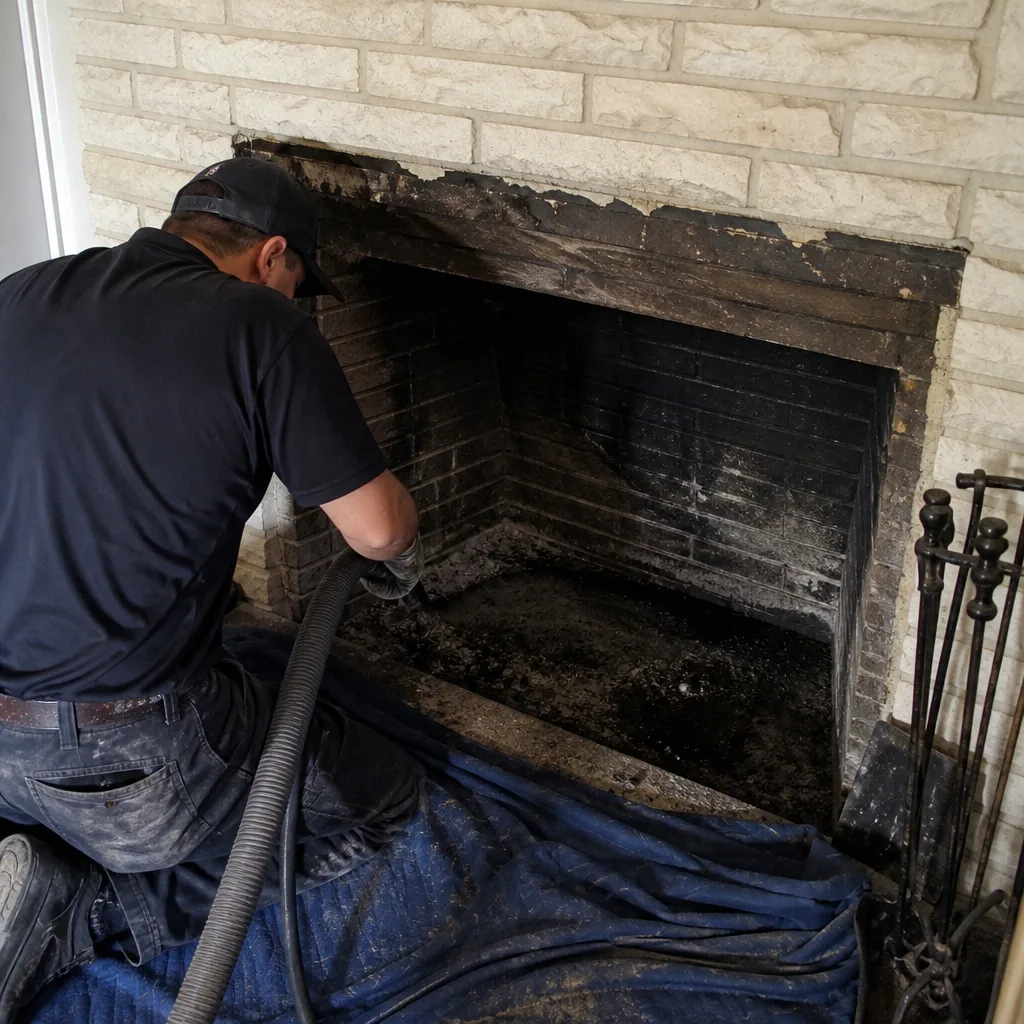 Before
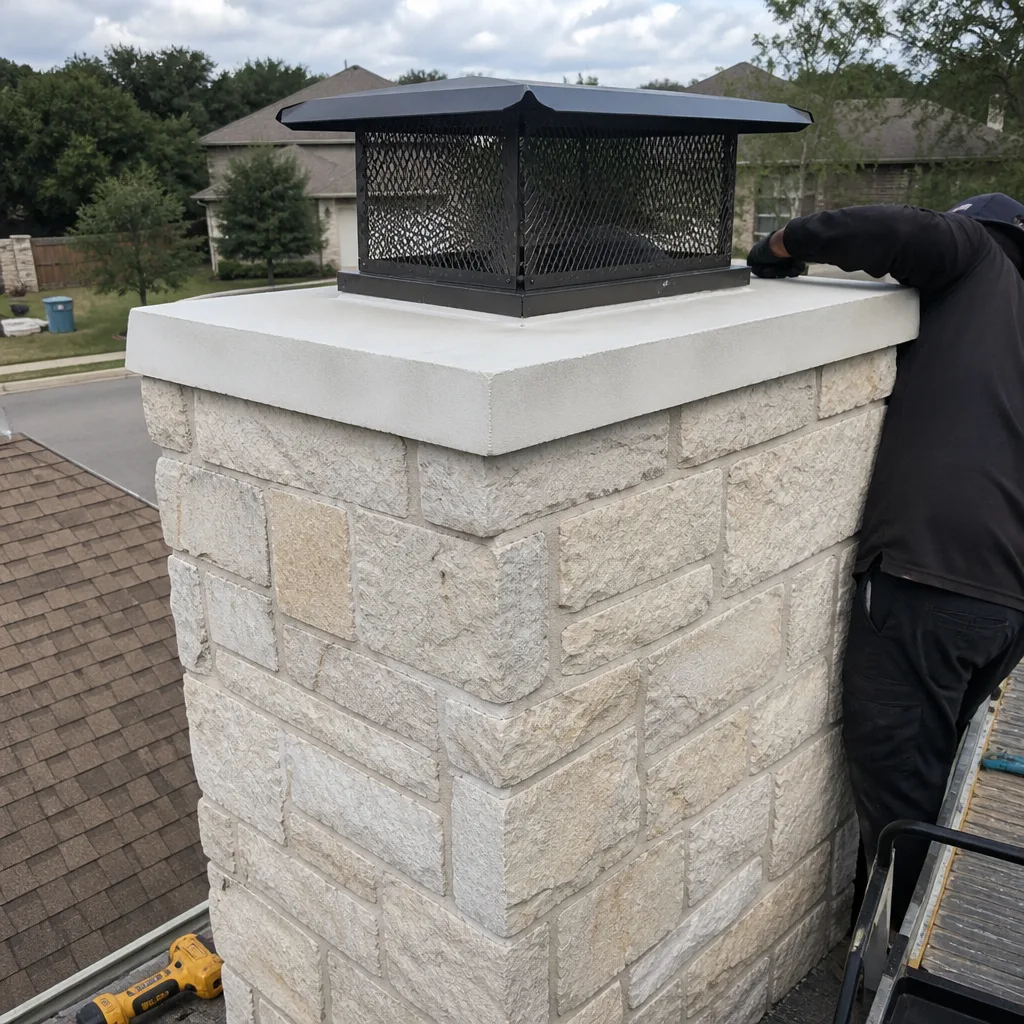 After
After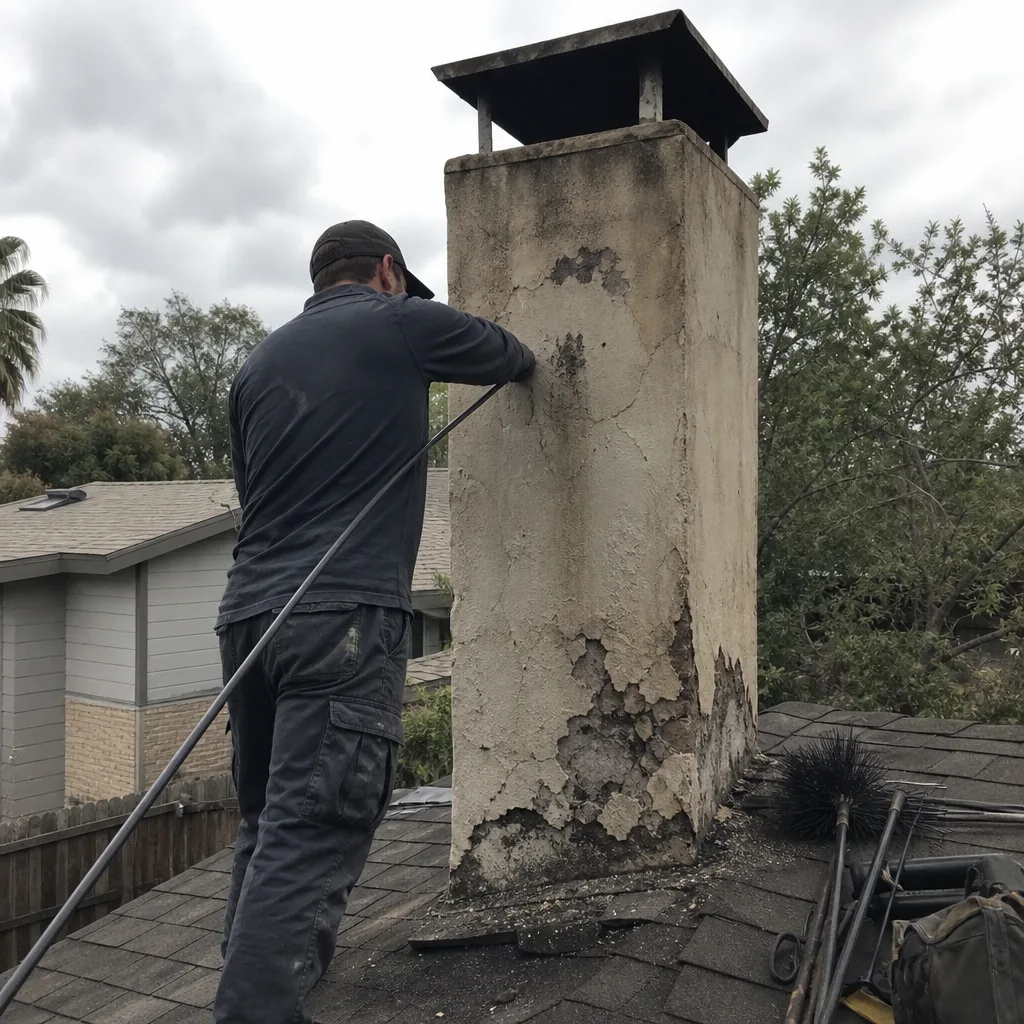 Before
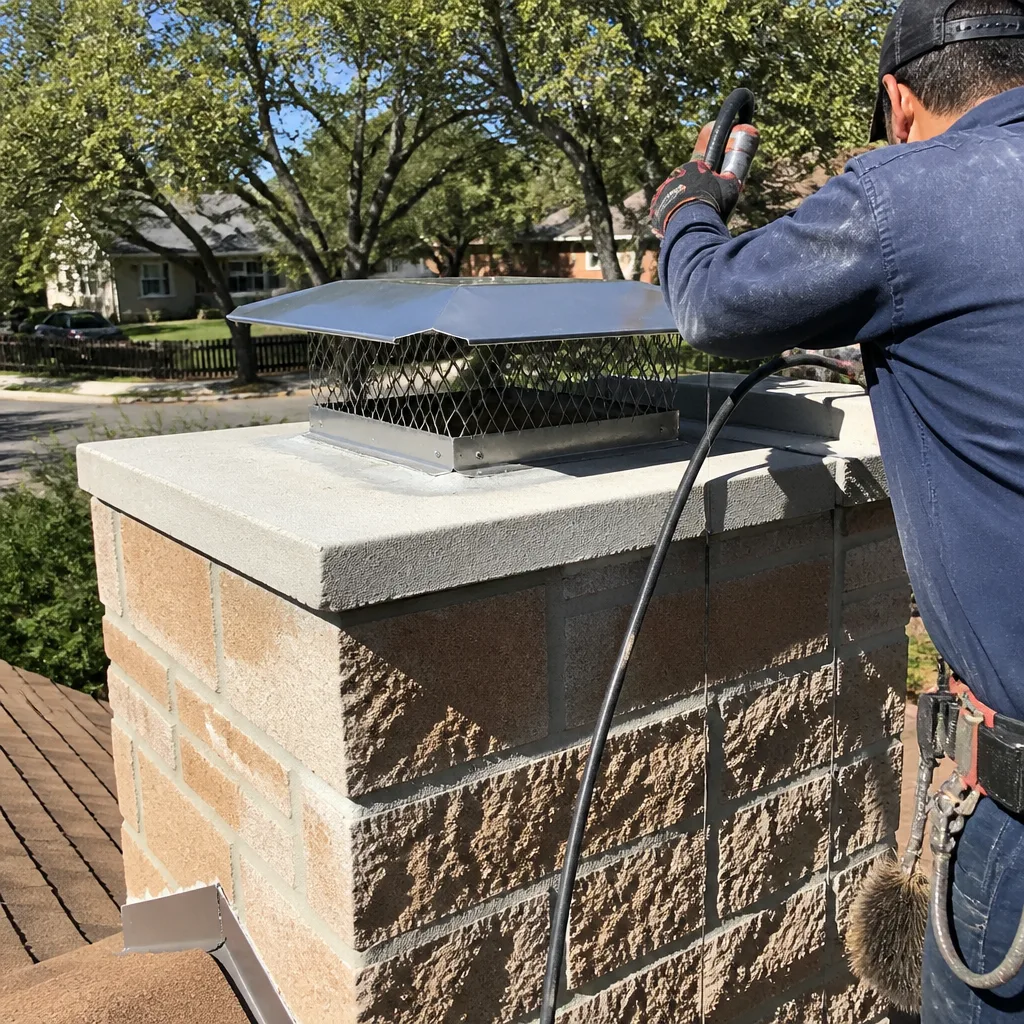 After
After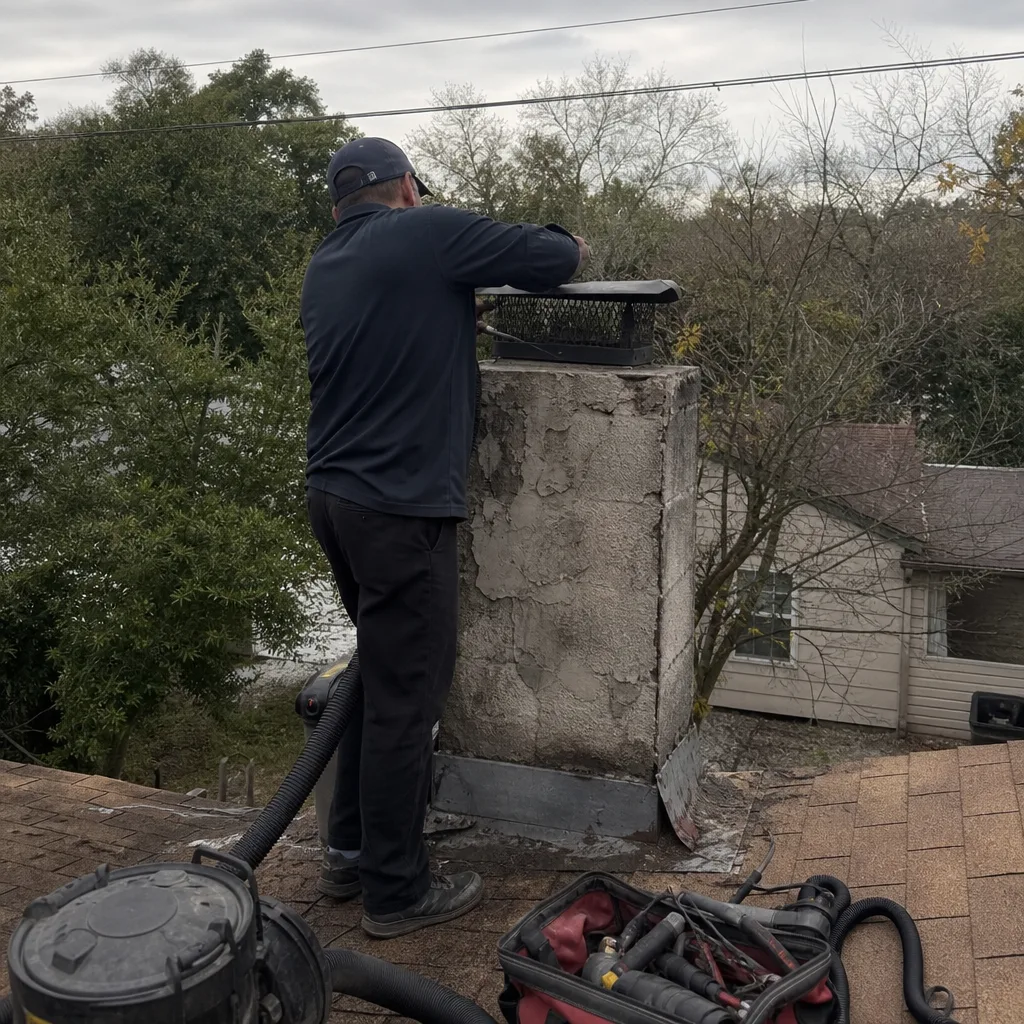 Before
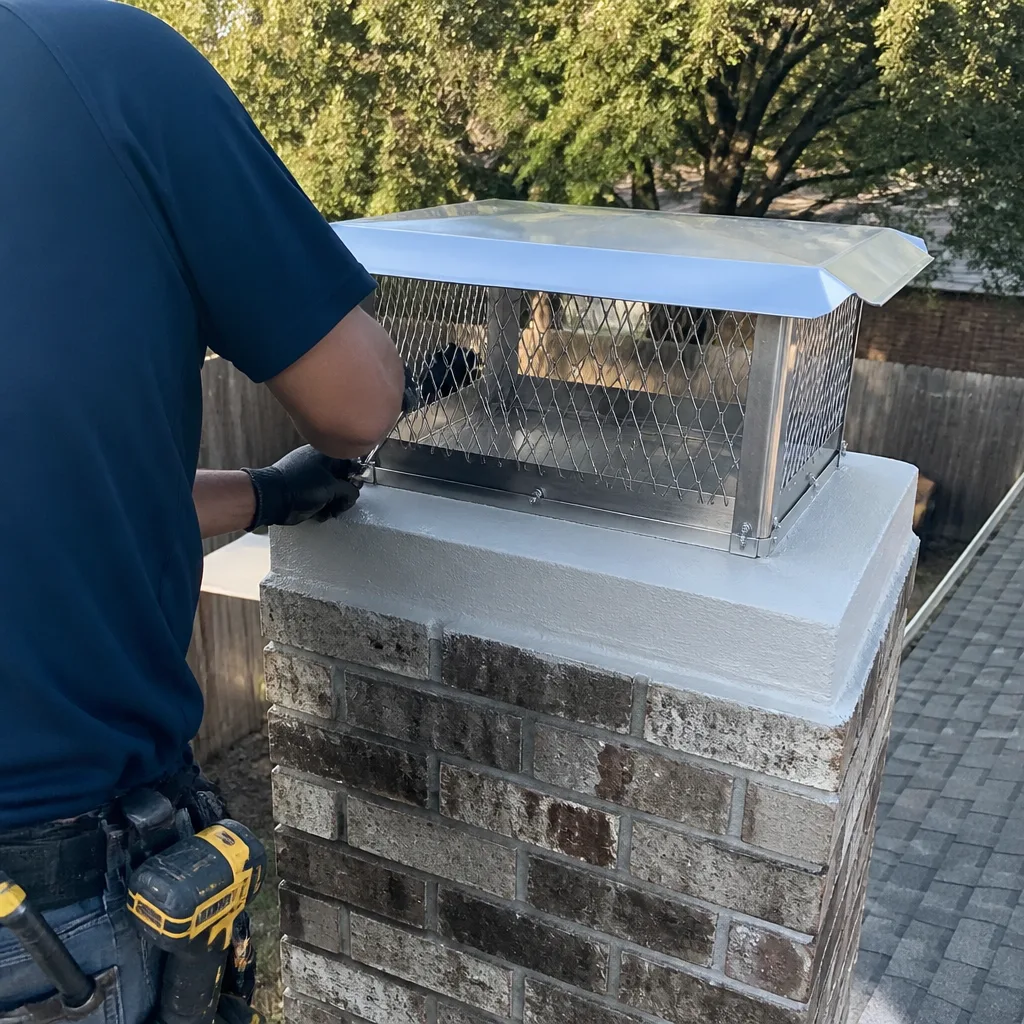 After
AfterWhen to Call a Professional
Call a chimney professional any time the work involves a liner, the firebox, structural masonry, or the flue interior that you cannot see clearly yourself. These are not DIY projects, and they are not handyman projects. A chimney that runs through the center of your home is an exhaust system for byproducts of combustion, and the failure risk is carbon monoxide or fire inside the walls. If you are in San Antonio and need clarity on whether a repair requires a permit, a qualified chimney company can answer that before any work is scheduled. For everything you need to know about the process, read The Complete Guide to Chimney Cleaning in San Antonio. Hadley Chimney San Antonio offers free estimates in San Antonio, and we will tell you honestly if the work you are asking about can wait or needs immediate attention. Call (254) 276-4116 for a conversation, not a sales pitch. If you are outside San Antonio, find a chimney company that pulls permits as a matter of routine, not by request.
Frequently Asked Questions
No. Chimney sweeping and routine inspection work never requires a permit in Texas, including San Antonio. Cleaning is considered maintenance, not construction, and there is no state or city registration requirement for it.
Most residential chimney repair permits in San Antonio run between $75 and $400, depending on whether the work is classified as a mechanical permit or a building permit. Your contractor should include this fee as a line item on your quote.
Structurally significant repairs without a permit can complicate a future home sale, trigger problems with your insurance carrier if a claim arises, and in some cases lead to a code enforcement issue if the city discovers the work during a related inspection. The repair itself may function fine, but the documentation gap creates real exposure.
A standard Texas home inspector does not typically pull city permit records, but a thorough inspector will flag visible chimney work and recommend a Level 2 chimney inspection. During home sales, an unpermitted chimney repair discovered later can reopen negotiations or derail the sale.
A Level 1 inspection is a visual check of accessible chimney components, done during a routine sweep. A Level 2 inspection adds video scanning of the flue interior and is required by NFPA 211 when a property is being sold, the fuel type is changing, or a chimney fire has occurred.
Many simple mechanical permits for chimney liner work are processed through the DevelopSA online portal within a few business days. The city has streamlined residential permits significantly. However, same-day issuance is not guaranteed for more complex building permits involving structural masonry.
Most Texas homeowners policies cover sudden chimney damage from a covered peril, like a hailstorm or falling tree. Routine wear, deteriorated mortar, and creosote buildup are generally considered maintenance and are not covered. Unpermitted repairs that fail, or that contribute to a fire, can become a claim denial issue.
The Bottom Line
Chimney cleaning in Texas is simple: no permit, no inspection, no regulatory overhead. The complexity lives next door, in the repairs a cleaning often reveals. Liner replacement, firebox work, and structural masonry all trigger permit requirements in San Antonio. The permit documents that the work met code, and that documentation protects you on resale and with your insurance company. Ask your contractor about permits before they start, get a closed permit in writing when the work is done, and never accept “you do not need a permit” for structural chimney work without verifying it yourself. A phone call to the City of San Antonio Development Services Department resolves the question in minutes. If you would rather have that conversation handled for you, Hadley Chimney San Antonio home is the starting point, and a live person answers at (254) 276-4116 any time.
Written by Cory Mitchell, Owner at Hadley Chimney San Antonio, serving San Antonio since 2003.