
Last updated October 15, 2026
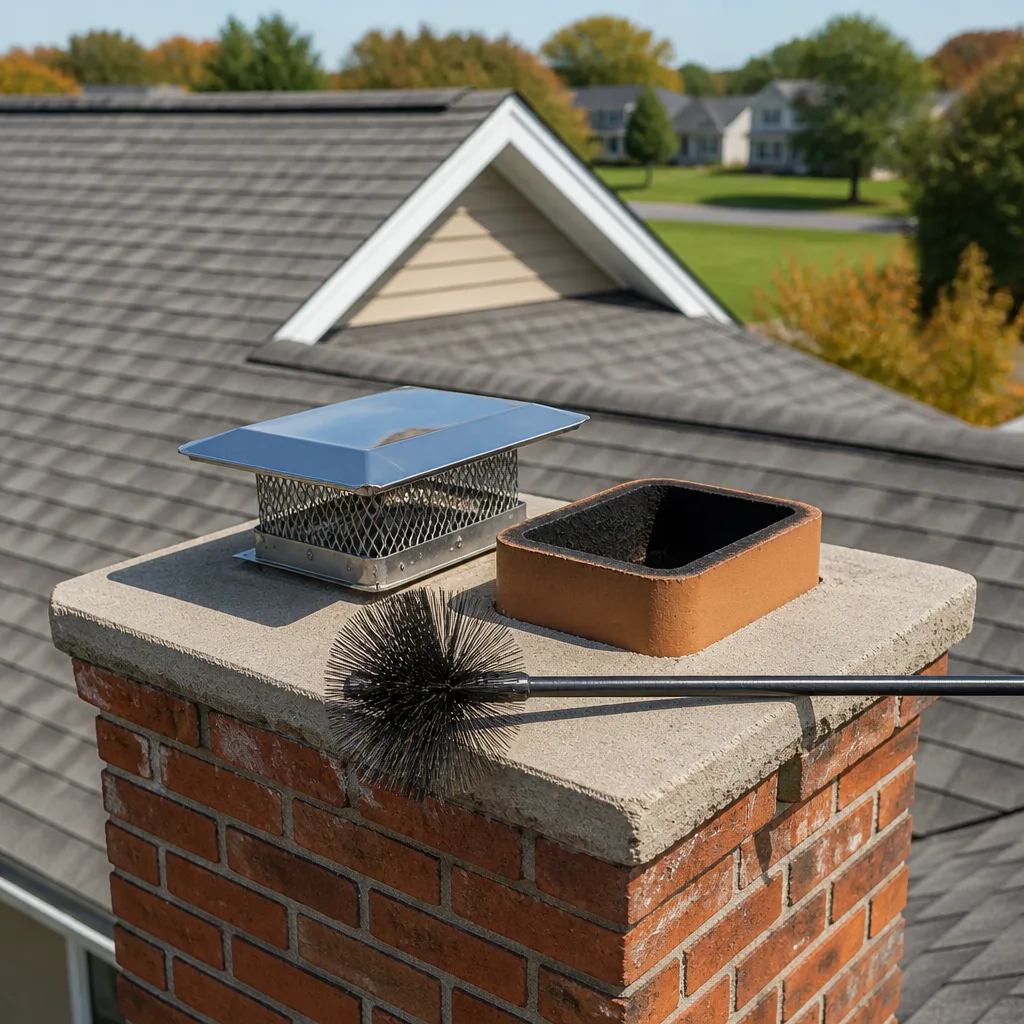 Sweep & inspection
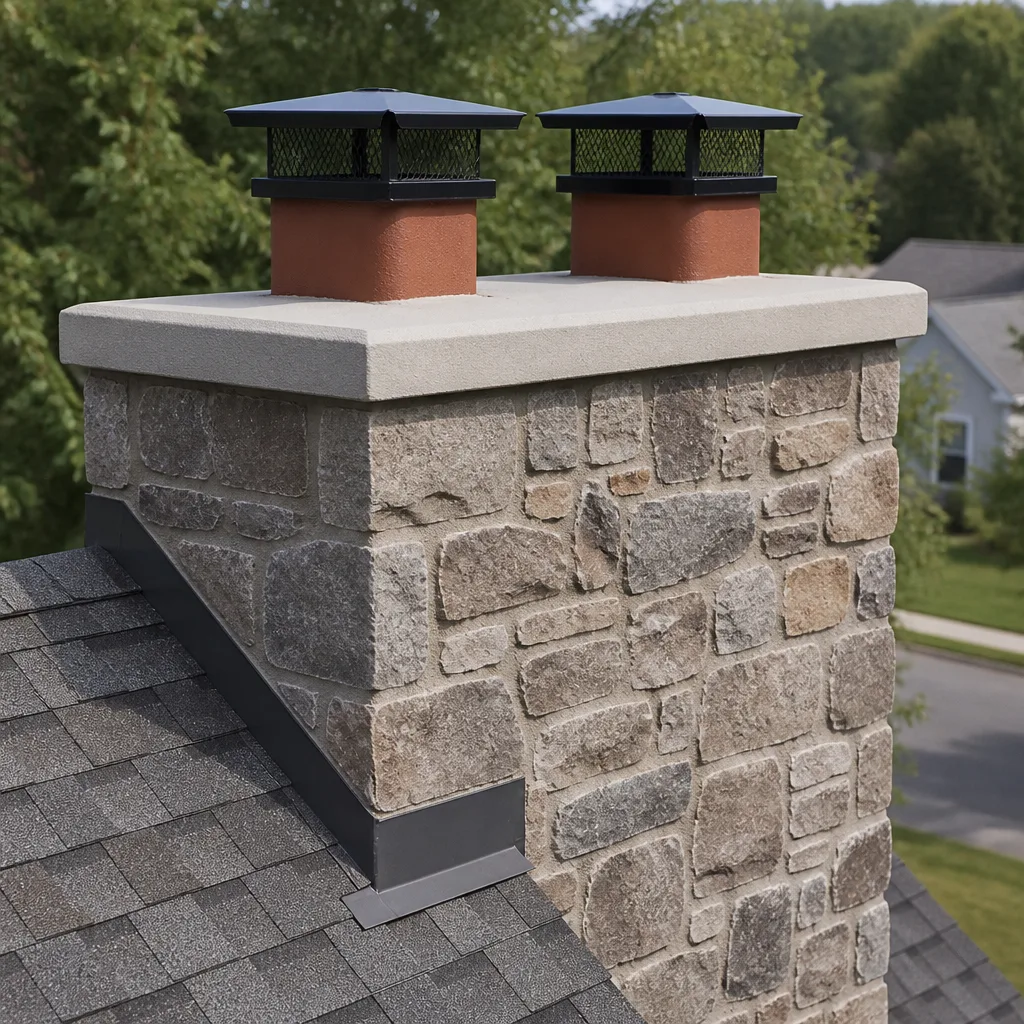 Caps & crowns
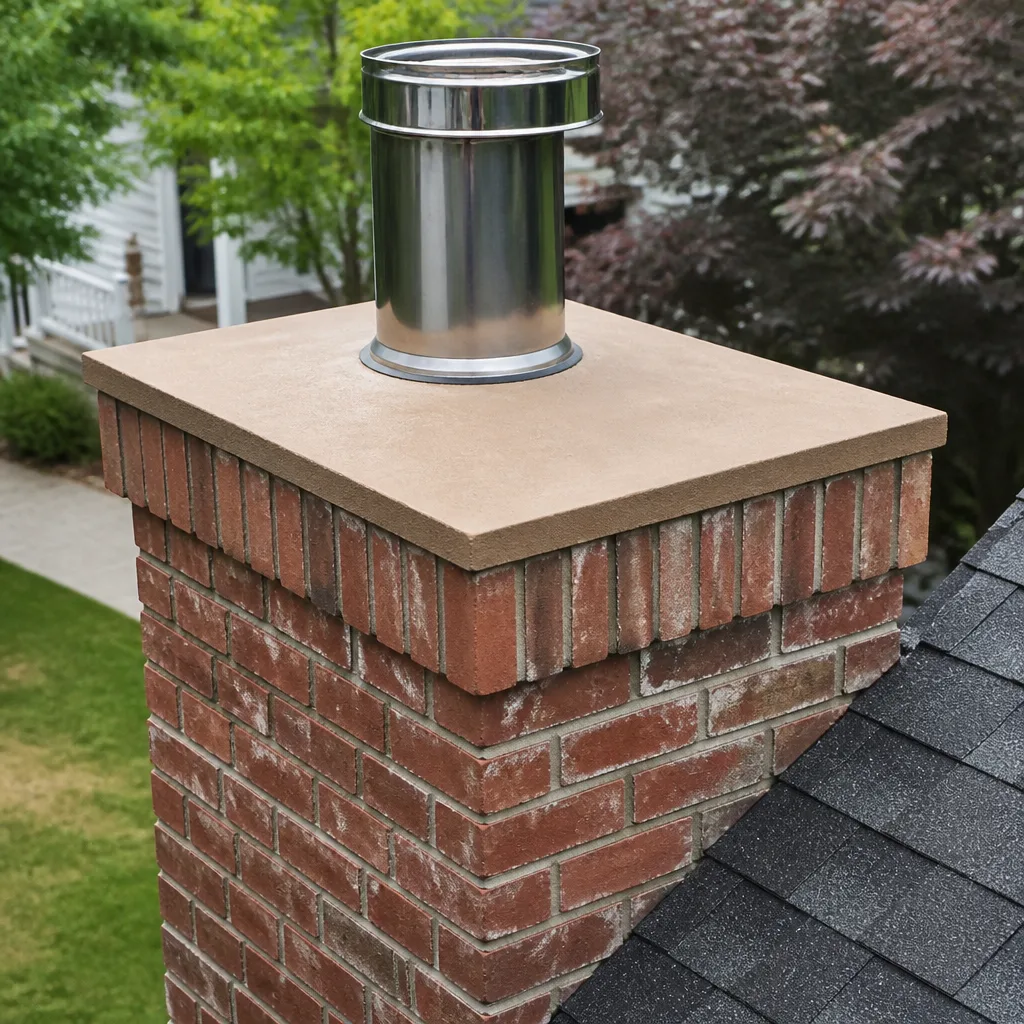 Flue relining
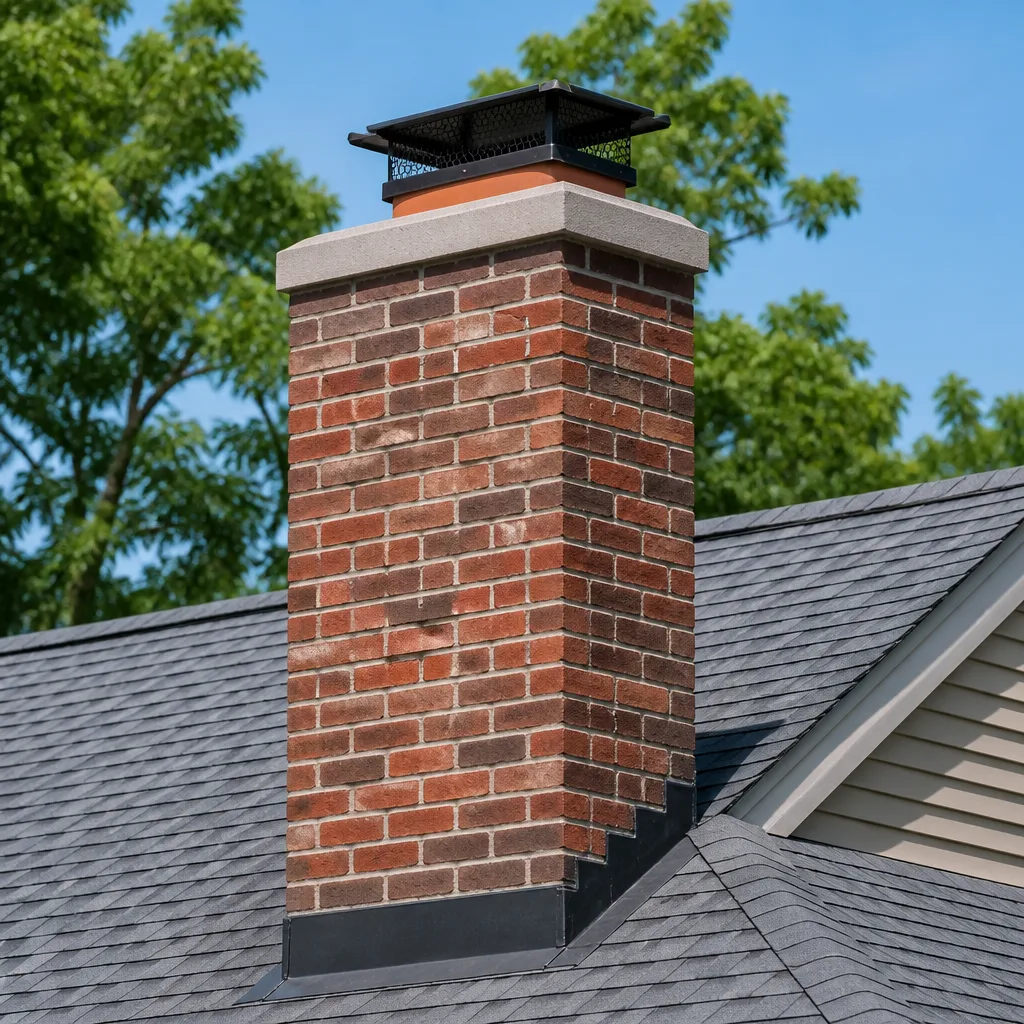 Masonry repair
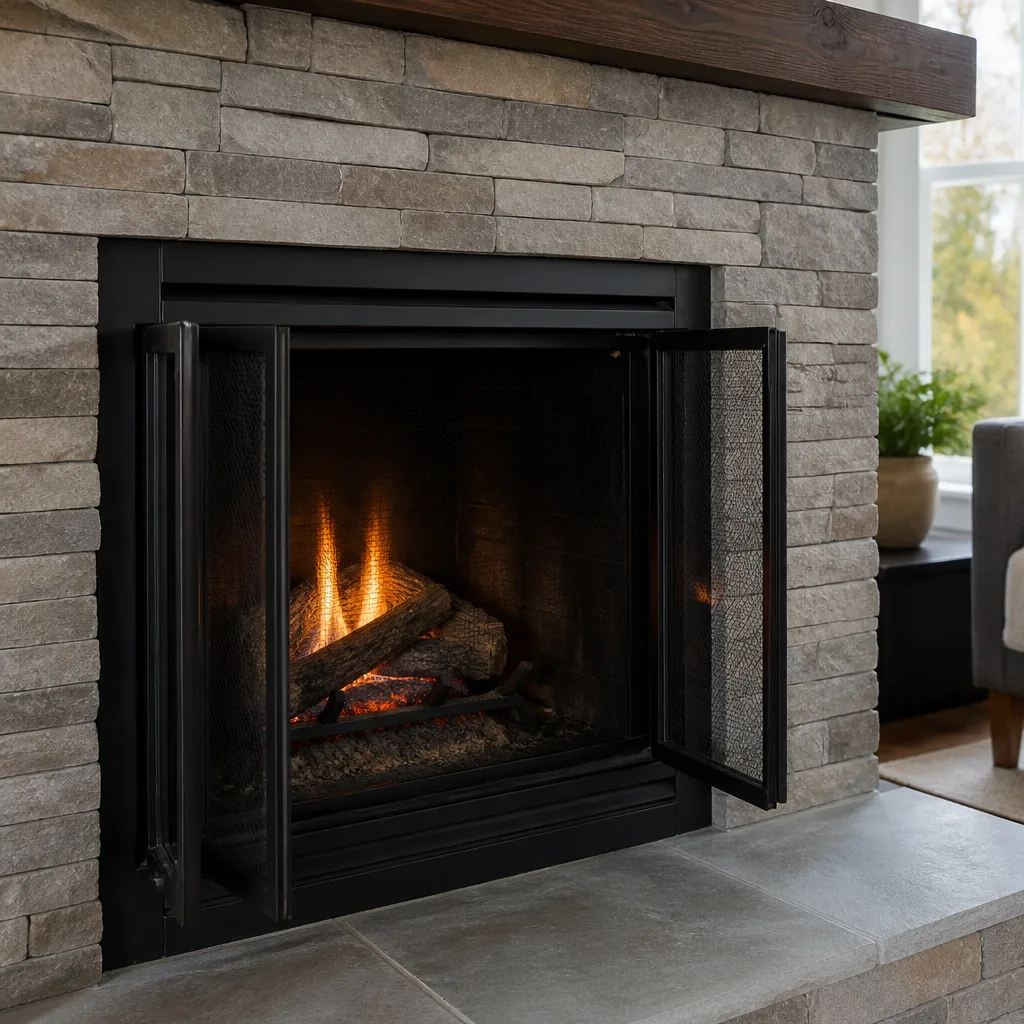 Gas fireplace service
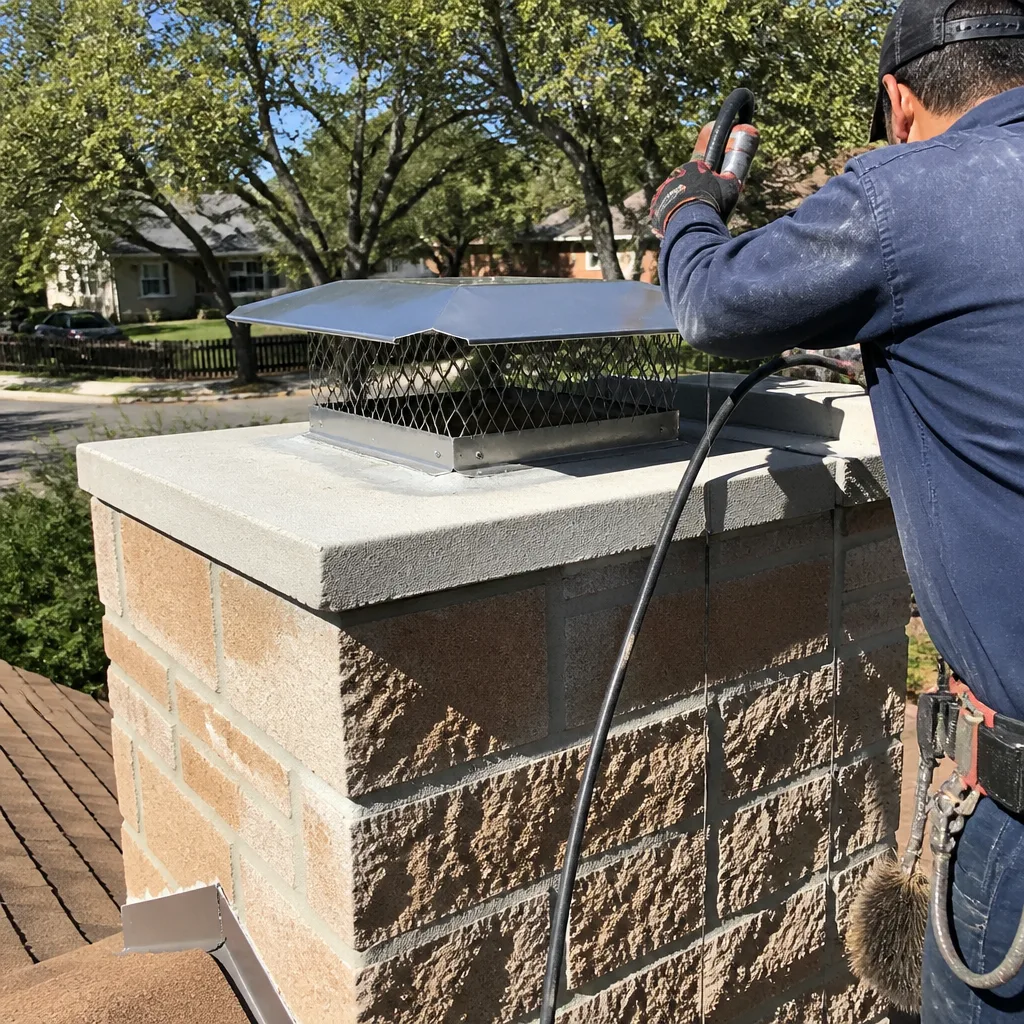
Level 1 sweep and inspection to the NFPA 211 annual standard - flue, crown, cap, and flashing checked and photographed
Chimney sweep logs do not sweep chimneys. They loosen some creosote - which then falls where a brush and vacuum still have to collect it.
The Complete Guide to Chimney Cleaning in San Antonio
Here’s a fact most San Antonio homeowners don’t see coming: a fireplace used only four or five times each winter can build up creosote faster than one burning daily in a colder climate. Short, occasional fires never get the flue hot enough to burn off the tar-like residue that wood smoke leaves behind. This guide explains why that matters for your specific home, what a proper chimney cleaning in San Antonio actually involves, what it should cost, and how to know whether you’re being sold work you don’t need. For more guides & resources, see our blog. We’ll walk through the anatomy of your fireplace, the inspection levels, local issues like nesting season and humidity-driven mortar erosion, and the exact process from booking to the final photo report.
Quick Answer
Chimney cleaning in San Antonio typically costs between $180 and $340 for a standard sweep, and most homes need it every one to two years depending on how often the fireplace is used. The service removes creosote (the flammable tar buildup that makes chimneys a fire risk) and includes a basic inspection of the flue, firebox, and chimney cap.
Styles & brands we work with
Table of Contents
- Why Low-Use Fireplaces Are a Hidden Creosote Risk
- Anatomy of a San Antonio Fireplace System
- What a Chimney Cleaning Actually Involves
- How to Read a Level 1 vs Level 2 Inspection Report
- San Antonio-Specific Chimney Problems
- How Much Does Chimney Cleaning Cost in San Antonio?
- How Often Should You Clean Your Chimney?
- DIY vs Professional Chimney Cleaning
Why Low-Use Fireplaces Are a Hidden Creosote Risk
Most chimney advice online comes from cold-climate regions where fireplaces run daily from October through March. That advice can actually mislead San Antonio homeowners into thinking their occasional fireplace is inherently safe. The opposite is often true.
Creosote forms when wood smoke cools and condenses on the inside of the flue. In a long, hot fire, much of that residue burns away or stays in a dry, flaky form that’s easier to remove. But in a short fire, the kind most San Antonio households light on a chilly evening in December or January, the flue never reaches the temperature needed to burn off the volatile compounds. The smoke cools quickly, and creosote deposits as a thick, sticky glaze that hardens into a dense tar-like layer over repeated short burns. That dense, glazed creosote is the most fire-dangerous form, and it’s the exact residue pattern we see most often in climate zones like South Texas where fireplaces are used sporadically and seasonally.
Add to this the fact that many San Antonio homes go multiple years between cleanings, not because the fireplace is dirty in the traditional sense, but because the owner assumes infrequent use means no buildup. The buildup is there. It’s just harder to see and more concentrated than what a daily-burn household might produce.
Anatomy of a San Antonio Fireplace System
To understand what a chimney cleaning actually does, it helps to know what’s inside the masonry chase or the framed box behind your drywall. Most San Antonio homes built between the 1970s and the early 2000s use a masonry fireplace with a clay tile liner, while newer builds often have a factory-built metal firebox with a double or triple-wall metal flue. Here are the components every fireplace has, whether you can see them or not:
- Firebox: The open chamber where the fire burns. On masonry fireplaces, this is typically brick and mortar. On prefab units, it’s refractory panels that look like concrete. Cracks in the firebox are a safety issue because heat can reach wood framing behind the unit.
- Smoke chamber: The sloped section just above the firebox that funnels smoke into the flue. In older San Antonio homes, this area is often built with corbeled brick and is frequently the source of heat transfer into surrounding walls if the mortar joints have deteriorated.
- Flue liner: The pipe that carries smoke up and out. Clay tile liners are common in pre-1990 construction in San Antonio. Metal liners, often stainless steel, are typical in newer homes and in retrofit situations. A cracked clay tile liner cannot be “cleaned away”; it requires repair or replacement.
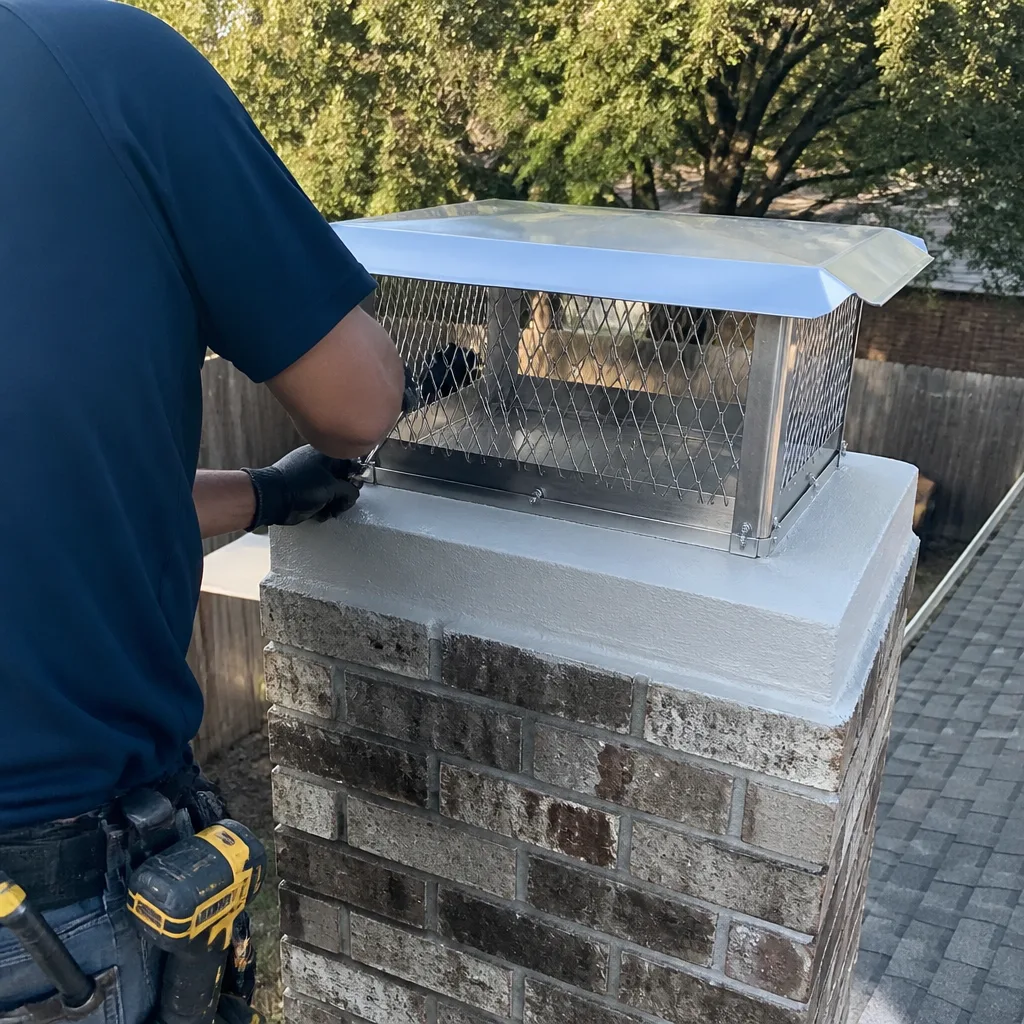
- Chimney cap and crown: The concrete or metal top covering that keeps rain, animals, and debris from entering the flue. In San Antonio, missing or damaged caps also invite grackles, chimney swifts, and squirrels during spring nesting season.
- Flashing: The sheet metal where the chimney passes through the roofline. Improperly installed or rusted flashing is one of the most common sources of chimney-related leaks in San Antonio during the May and September rain storms.
- Damper: The movable metal plate inside the flue that opens and closes the airway. A damper that doesn’t seal fully lets conditioned air escape year-round, which is a real cost in a city where air conditioning runs from April through October.
When someone quotes you a “chimney sweep” in San Antonio, they’re not just brushing a pipe. A proper cleaning and inspection covers every component from the firebox floor to the cap at the roofline, because a chimney is a system, and any one failing part compromises the entire assembly.
What a Chimney Cleaning Actually Involves
Most homeowners have a vague mental image of a guy with a wire brush and a tarp. The reality is more structured, and knowing what to expect helps you evaluate whether you’re getting the service you paid for. Here’s what a professional chimney cleaning should include, step by step, from the moment the technician arrives to the moment you receive the written summary.
- Floor and furniture protection. The technician should lay drop cloths from the entry door to the fireplace and seal the fireplace opening with plastic sheeting or a specialized vacuum shroud. This prevents ash and soot from entering your living space. If someone shows up without protection equipment, that’s an immediate red flag.
- Visual assessment of the firebox and flue. Before any brushing begins, the tech should shine a light up the flue and examine the firebox, damper, smoke chamber, and the accessible portion of the liner. This is where obvious problems like a cracked firebox panel, a stuck damper, a bird nest, or severe creosote glazing are identified.
- Mechanical sweeping of the flue. Wire or poly brushes sized to your specific flue diameter are run from the bottom up or the top down, depending on access and equipment. The goal is to dislodge creosote, soot, and any debris attached to the liner walls. For glazed creosote, rotary whip systems with chains are sometimes required.
- Smoke chamber and firebox brushing. The area above the firebox and the firebox itself get brushed and vacuumed. This is where loose soot and ash have accumulated, and where the technician should be looking for cracks, missing mortar, or damaged refractory panels.
- Cap, crown, and flashing inspection. If roof access is safe and available, the tech should inspect the top of the chimney for cap damage, crown cracks, missing mortar, and flashing gaps. In San Antonio, this top-of-chimney inspection is critical because our rain patterns, hail events, and high spring winds do the most damage at the roofline.
- Post-sweep vacuum and cleanup. Once the work is done, the technician should vacuum the firebox, remove the containment plastic, and leave your floor as clean as it was on arrival. No soot, no dust, no “I’ll let that settle” nonsense.
- Written summary with photos. You should receive documentation that includes before-and-after photos of the flue interior, a written description of any findings, and a clear statement of whether the chimney is safe to use or requires follow-up repair. At Hadley Chimney San Antonio, this documentation is part of the Relay Visibility Guarantee, meaning you get live arrival tracking and photo proof of the work on every visit, not just the big repair jobs.
If any step is skipped, particularly the cap and flashing inspection or the written summary, you’re getting a partial service. A real chimney company in San Antonio knows that a sweep without an inspection is just indoor vacuuming.
How to Read a Level 1 vs Level 2 Inspection Report
Chimney inspections follow a three-level system defined by the National Fire Protection Association. Understanding the difference helps you know whether a technician’s recommendation is standard practice or unnecessary upsell.
Level 1 inspection: This is the basic visual examination, performed during every routine chimney cleaning. The technician uses a flashlight and, if needed, basic hand tools to examine the visible and accessible portions of the fireplace, flue, cap, and chimney exterior. No specialized equipment, no climbing into the flue, no opening walls. If your chimney is in regular use and nothing about the home or system has changed, a Level 1 is almost always sufficient. The findings on a Level 1 report are straightforward: creosote level, visible cracks or gaps, damper function, cap condition.
Level 2 inspection: This involves everything in Level 1 plus video scanning of the flue interior. A Level 2 is recommended when you’re buying or selling a home in San Antonio, after a chimney fire, after a major weather event such as the hailstorms we see in the Hill Country-adjacent areas, or when any change has been made to the system. The video scan shows exactly what’s happening inside the liner, including hidden cracks, separated tile sections, gaps in the mortar joints, or hidden bird nests that would be invisible to a visual-only inspection. If a technician recommends a liner repair or replacement without showing you video evidence of the damage, you should ask to see the scan. No legitimate company will hesitate to show you exactly what they found. At Hadley, our policy is simple: nothing gets recommended without visual, photographic, or video evidence you can see and evaluate yourself.
Level 3 inspection: This is the invasive examination, involving the removal of building components to access concealed areas of the chimney. It’s rare and typically follows a known or suspected chimney fire where structural damage is likely. If someone is pressing you toward a Level 3 without a documented chimney fire, ask hard questions.
The key to reading any inspection report is understanding the action language. “Safe to use” means exactly that. “Monitor” means the finding is minor but should be checked at the next cleaning. “Repair recommended” means the issue poses a functional or safety risk and should be addressed before further use. “Do not use” means the chimney is unsafe to operate in its current condition. If the report doesn’t use clear action language, ask for clarification in writing.
San Antonio-Specific Chimney Problems
San Antonio’s climate and ecology create chimney issues that a general contractor from Dallas or Houston may not anticipate. Here are the problems we see recurring across neighborhoods from Alamo Heights to Stone Oak to Helotes, and why they matter for your cleaning and inspection schedule. For year-round maintenance tips, see our Seasonal Chimney Cleaning Care for San Antonio: Year-Round Homeowner’s Guide.
Spring Nesting Season
From March through May, chimney swifts, squirrels, and grackles look for enclosed vertical spaces to build nests. A chimney without a proper cap is an open invitation. We routinely remove bird nests, squirrel nests, and even raccoon dens from chimneys in San Antonio during the spring months. Beyond the obvious blockage risk, nesting material is flammable and can harbor mites or bacteria. A nest that fills much of the flue can also force smoke and carbon monoxide back into the home when you light your first fire of the season.
Humidity-Driven Mortar Erosion
San Antonio’s humidity and heat do something counterintuitive to masonry: the repeated expansion and contraction from temperature swings, combined with moisture absorbed into the brick and mortar, accelerates spalling and joint deterioration. A chimney exposed to direct sun on the south side of a house in the 100-degree August heat will have a different thermal stress profile than one shaded by live oaks. Over years, that stress shows up as crumbling mortar joints, cracked crowns, and deteriorating firebox brick. These issues get worse faster here than in drier parts of Texas because the humidity keeps moisture in the masonry longer.
Hill Country Rooflines and Flashing Failures
Homes in the Hill Country-adjacent areas of San Antonio, including the terrain heavy neighborhoods northwest of Loop 1604, often have steeper roof pitches, multiple dormers, or chimney chases built through complex rooflines. These architectural features create more flashing points and more places for water to enter. We see a higher rate of flashing-related leaks in these areas than in the flat-lot subdivisions of the inner city. If you live in a home with a steep roofline and a masonry chimney, a visual flashing inspection at every cleaning is not optional.
Infrequent Use After Long Idle Periods
San Antonio fireplaces often sit unused from April through October, sometimes longer if the homeowner skips a winter season entirely. That long idle period allows moisture, dust, and pest activity to accumulate in the flue. The first fire after a long idle period is when we see the most smoke blowback and the most homeowner complaints about a “fireplace that doesn’t draw.” It’s not that the chimney was built wrong. It’s that the flue is damp, the damper is stiff, or a nest has partially blocked the airway since the last time you used it.
How Much Does Chimney Cleaning Cost in San Antonio?
The phrase “chimney cleaning” covers a range of services, and pricing in San Antonio tracks with what you’d expect from a mid-sized Texas metro. Here’s what you should expect to pay as of 2025:
| Service | Typical San Antonio Price Range | What It Includes |
|---|---|---|
| Standard chimney sweep (Level 1) | $180 – $340 | Full flue brushing, firebox and smoke chamber cleaning, visual inspection, basic written report |
| Sweep with Level 2 video inspection | $350 – $650 | Everything in Level 1 plus video scan of the flue interior and written report with still images |
| Chimney cap replacement | $150 – $450 | Cap cost plus rooftop labor; depends on flue size and cap style |
| Flashing repair | $300 – $900 | Sealant work up to full flashing replacement with new metal |
| Clay tile liner repair | $2,500 – $6,000 | Partial relining or full stainless steel liner installation, depending on access and flue length |
| Firebox repair (minor) | $400 – $1,200 | Mortar repointing, refractory panel replacement, or small crack repair |
These are market ranges based on what we and other established San Antonio chimney companies charge. Your specific price depends on flue height, roof pitch and accessibility, the degree of creosote buildup, and whether any repairs are identified during the inspection. The important thing is that you should receive a written price before any work begins, so there’s no scenario where someone starts brushing and the number doubles once they’re on the roof. That upfront pricing commitment is standard at Hadley Chimney San Antonio, and it should be standard everywhere.
How Often Should You Clean Your Chimney?
The National Fire Protection Association recommends annual inspection and cleaning as needed. For most San Antonio homes, that translates to a sweep every one to two years, depending on these factors:
- Burn frequency: If you burn more than three times per week during the cold months, even short fires, schedule annually. Occasional use, a fire or two per month, can often go two years between sweeps.
- Wood type: Burning unseasoned or soft woods produces more creosote than seasoned hardwoods. Mesquite and oak are common firewoods in San Antonio and burn hot and clean when properly seasoned. Green wood, pine, or construction lumber will foul a flue quickly.
- Pre-fab vs masonry: Factory-built fireplaces with metal flues tend to accumulate creosote on the inner walls more quickly because the metal cools faster than clay tile. If your home has a manufactured firebox, lean toward annual cleaning.
- Post-nesting season: Even if you haven’t burned since winter, a spring nest removal may warrant a cleaning, not just a removal, if nesting material has compressed against the flue walls.
- After a chimney fire: Any suspected chimney fire requires a Level 2 inspection before the fireplace is used again. No exceptions.
The most practical rule for San Antonio: if you can’t remember the last time the chimney was cleaned, it’s overdue. An annual check costs less than a single emergency roof repair, and the inspection catches small problems before they become four-figure ones.
DIY vs Professional Chimney Cleaning
You can buy a chimney brush kit and a shop vacuum for under $100, and the temptation to save the sweep fee is real. Before you decide, read our DIY vs Professional Chimney Cleaning: The San Antonio Homeowner’s Decision Guide. Here’s the honest tradeoff.
What a homeowner can safely do: inspect the firebox for obvious debris, check that the damper opens and closes fully, look for daylight at the top of the flue, and remove ash with a proper ash vacuum. Basic maintenance like keeping the firebox clean and burning only seasoned wood is well within reach.
What a homeowner should not do: attempt a full flue brushing without proper containment, climb onto a steep San Antonio roof to access the chimney top, or treat a creosote-glazed flue with chemical cleaners and hope for the best. Working on a chimney means working at height and dealing with fine particulate that’s hazardous to breathe without proper respiratory protection and a HEPA-grade vacuum. A fall from a roof or a fall into a firebox with a running brush is a life-changing injury, not a weekend project. In our experience, the homes that need professional attention most are the ones where a previous owner or occupant did their own partial cleaning and actually compressed creosote into the flue walls, making the next professional sweep harder than it had to be.
The professional standard includes containment, proper brush sizing, full inspection of all system components, and a written report you can keep for insurance or resale purposes. If you’re ready to hire, our How to Hire a Chimney Cleaning Contractor in San Antonio: A Step-by-Step Guide walks you through the process. The DIY approach saves money once and may cost far more later.
Common Mistakes to Avoid
- Skipping the inspection because the chimney “looks fine” from the firebox. Creosote buildup, cracked liners, and damaged flashing are invisible from the living room. The expensive problems are always the ones you can’t see without a camera or roof access.
- Using a cheap chimney sweep who charges $79 and then “finds” $2,000 in repairs. Low-ball sweep pricing is a classic bait-and-switch in the chimney trade. A legitimate cleaning costs what it costs. Ask for a written price before work starts and a written summary with photo evidence after.
- Ignoring a small leak because it’s “just a little water stain.” In San Antonio’s climate, a small flashing leak becomes a mold problem and a rotted roof deck within a couple of rainy seasons. Water infiltration is cumulative and progressive.
- Burning unseasoned wood or construction scraps. Green mesquite and pine produce heavy, sticky creosote and create exactly the kind of glazed buildup that’s hardest to remove. Season your firewood for six to twelve months under cover before burning.
- Waiting for a cold snap to schedule a cleaning. Every San Antonio chimney company gets slammed the first week temperatures drop below 40. Schedule your seasonal sweep in October or early November, before the rush and before you actually need the fireplace.
- Closing the damper too soon after a fire. Wait until the fire is fully out and the embers are cold. Closing the damper over warm embers traps moisture and smoke in the flue, accelerating creosote hardening and inviting odor problems.
- Assuming a gas fireplace never needs service. Gas logs still produce combustion byproducts, and the venting system can become blocked by dust, spider webs, or debris. Annual gas fireplace service is a real maintenance item, not a marketing invention.
See the difference
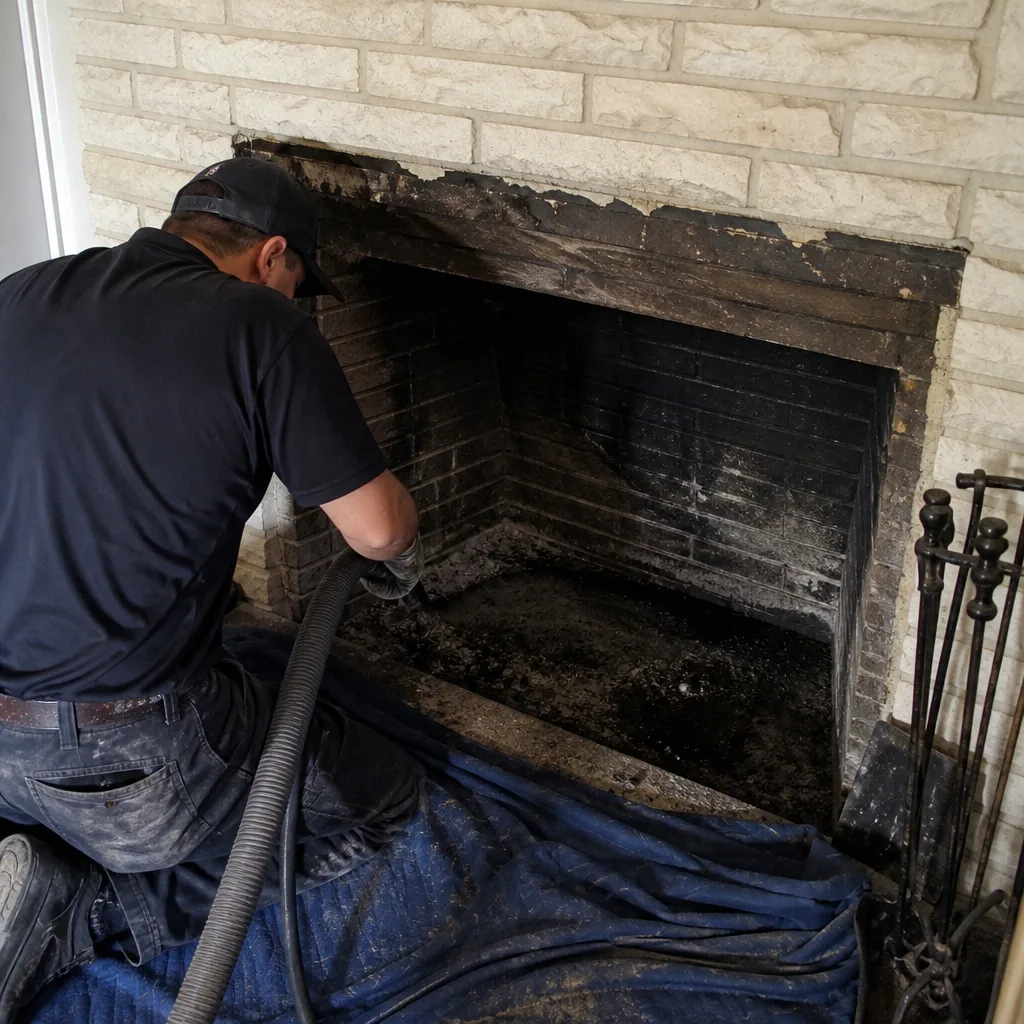 Before
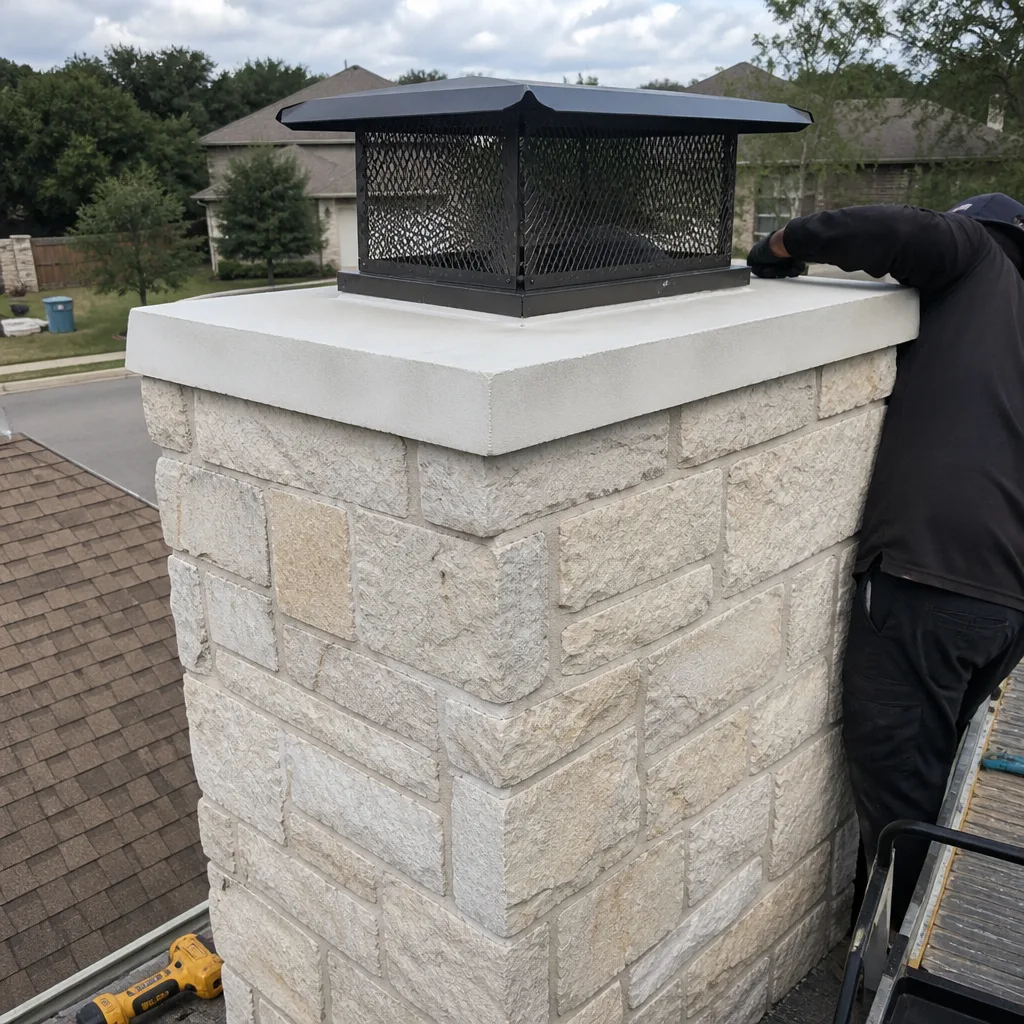 After
After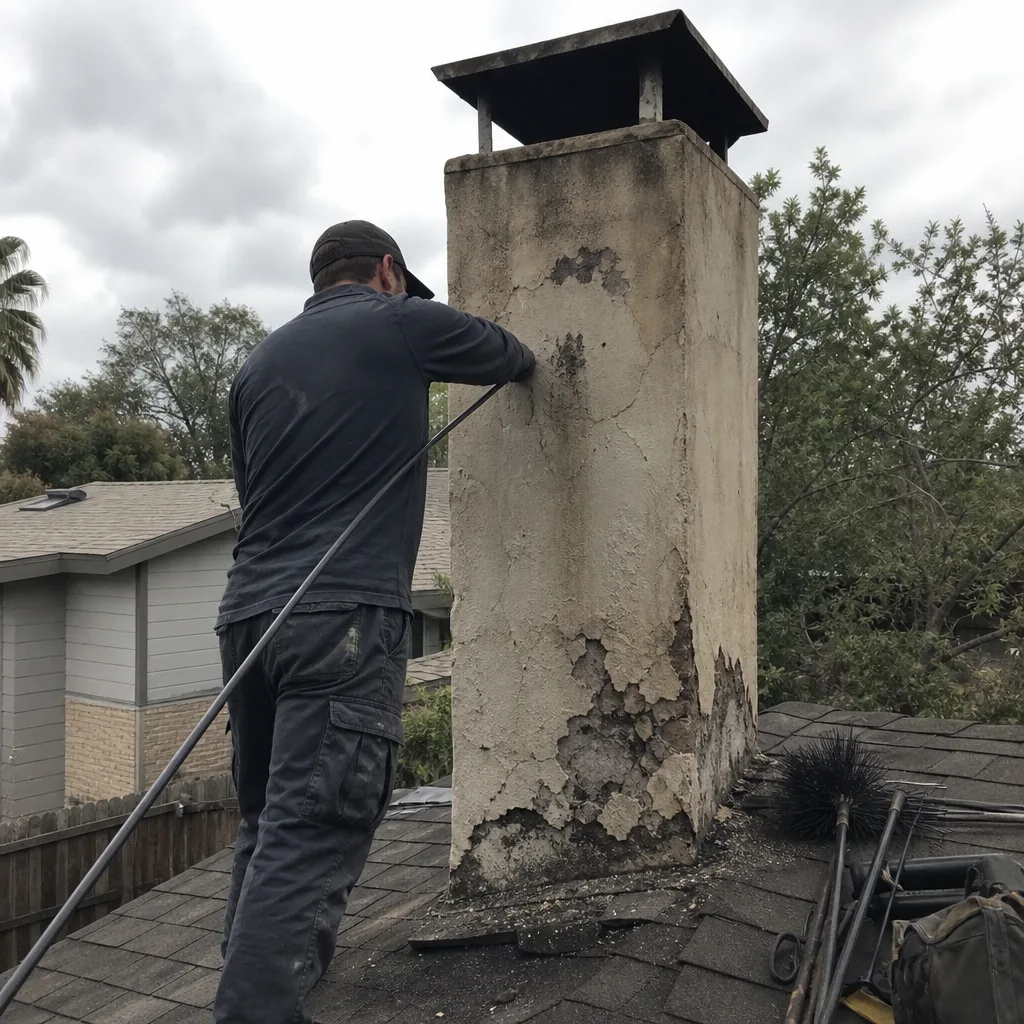 Before
 After
After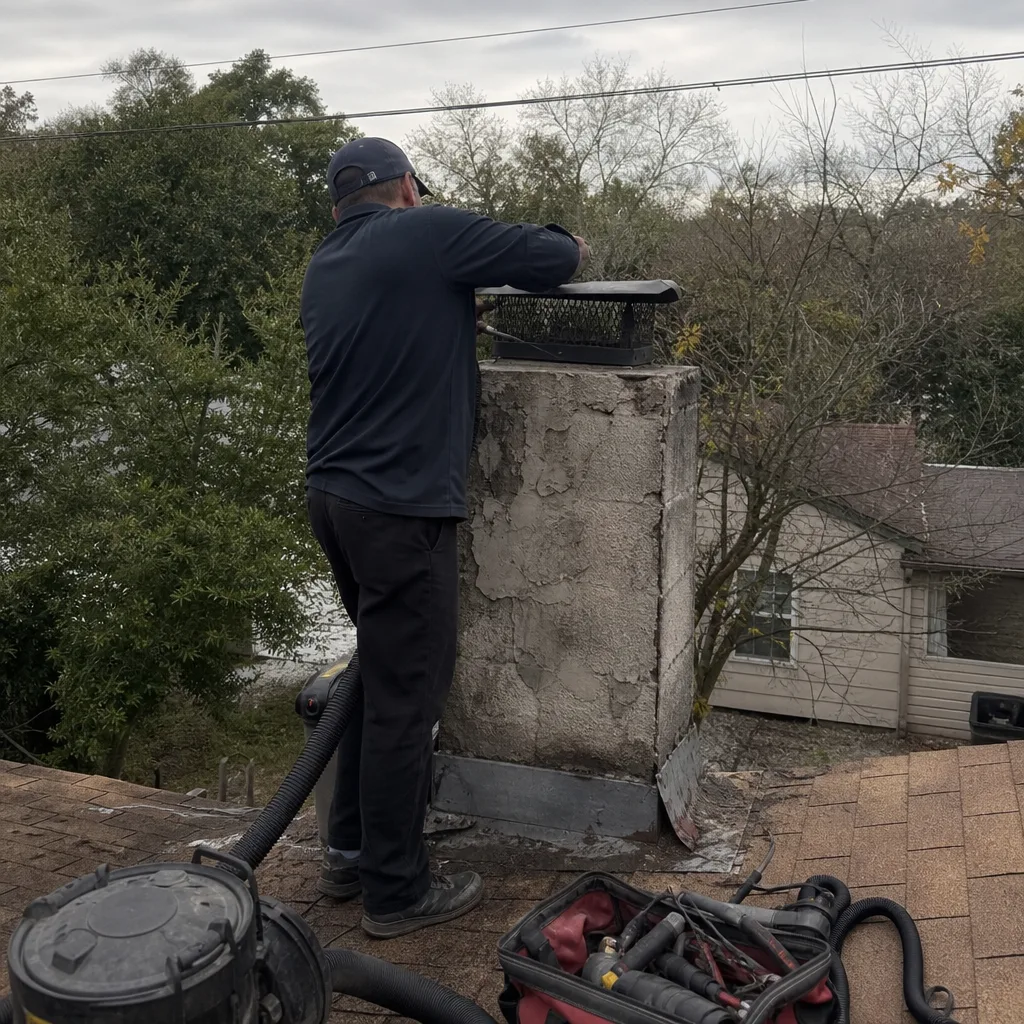 Before
 After
AfterWhen to Call a Professional
Call a chimney company in San Antonio if you notice any of these conditions: smoke spilling into the room when the fire is lit, a strong campfire odor when the fireplace is not in use, visible creosote flakes falling into the firebox, water staining on the walls or ceiling near the chimney, rust on the damper or firebox, or animals entering the home through the chimney chase. Also call if your home has changed since the last cleaning, you’re buying or selling, or you’ve experienced a chimney fire, a major hailstorm, or a roof replacement. Hadley Chimney San Antonio offers free estimates throughout the San Antonio area. Call (254) 276-4116 to schedule, and a real person will answer, 24/7.
Frequently Asked Questions
A standard chimney sweep in San Antonio typically costs between $180 and $340, which includes full flue brushing, firebox and smoke chamber cleaning, and a Level 1 visual inspection. If a Level 2 video inspection is added, expect a total of $350 to $650 depending on the size and height of the flue. Call (254) 276-4116 for an exact quote on your specific fireplace and roofline.
If you have visible cracks in your clay tile liner, the fireplace should not be used until the liner is repaired or replaced. Cracked clay tiles allow heat and combustion gases to reach combustible materials around the flue, which is the exact scenario that causes chimney fires to spread into the home. The right fix depends on the extent of the damage. Minor gaps can sometimes be addressed with ceramic repair products like HeatShield, while more extensive cracking usually calls for a stainless steel liner system. Always ask for video evidence before approving any liner work. Nothing should be recommended without proof you can see. For liner repair questions in San Antonio, call (254) 276-4116 for a straight answer and a free estimate.
Every one to two years for most homes, with annual service recommended for households that burn more than a few times per week during the winter months. Homes with factory-built fireplaces, or homeowners who use the fireplace sporadically with short burns, should lean toward annual cleaning because those usage patterns produce more concentrated creosote. If you can’t remember your last sweep, schedule Chimney Sweep in San Antonio service now and start fresh.
Creosote continues to accumulate, becoming denser and more fire-dangerous with each short burn cycle. The residual smoke odor gets more pronounced. Any existing crack, gap, or flashing failure continues to worsen. Eventually, a skipped chimney can become a chimney fire, a carbon monoxide entry point, or a water damage source requiring masonry and roof repair. None of those outcomes are cheaper than a $250 sweep. If it’s been more than two years, schedule Chimney Repair in San Antonio service with an inspection and stop the cycle before it gets expensive.
Gas fireplaces don’t produce creosote, but their venting systems can still accumulate dust, debris, spider webs, and even nesting material if the cap is damaged. Gas logs also produce soot that coats the firebox and can affect flame appearance and performance. Annual inspection of the venting, gas line connections, and burner condition is standard for safe operation. For Gas Fireplace Repair in San Antonio, including cleaning and maintenance, call (254) 276-4116.
Yes, and spring is peak season. Chimney swifts, grackles, squirrels, and even raccoons will enter an uncapped chimney from March through May, building nests, leaving droppings, and sometimes getting stuck in the flue. A properly installed and maintained chimney cap with appropriate side screening prevents animal entry. If you hear scratching, chirping, or rustling from the chimney area, call (254) 276-4116 before lighting a fire. A blocked flue from a nest will force smoke and carbon monoxide back into your home.
The Bottom Line
Chimney cleaning in San Antonio is not a luxury service for people who burn fires every night. It’s a safety and maintenance necessity for anyone with a fireplace, even if that fireplace only gets used a handful of times each season. Short, infrequent burns create creosote more efficiently than long, hot ones. The humid, hot climate stresses masonry. Spring brings animals. The solution is the same in every case: regular professional cleaning with a documented inspection, performed by a company that shows you photos of exactly what they saw and gives you a written price before work begins. Hadley Chimney San Antonio has been serving this market since 2003, and every visit includes live arrival tracking and before-and-after photo documentation under The Relay Visibility Guarantee. Start with Hadley Chimney San Antonio home to learn more or book your free estimate.
Written by Cory Mitchell, Owner at Hadley Chimney San Antonio, serving San Antonio since 2003.