
Last updated October 15, 2026
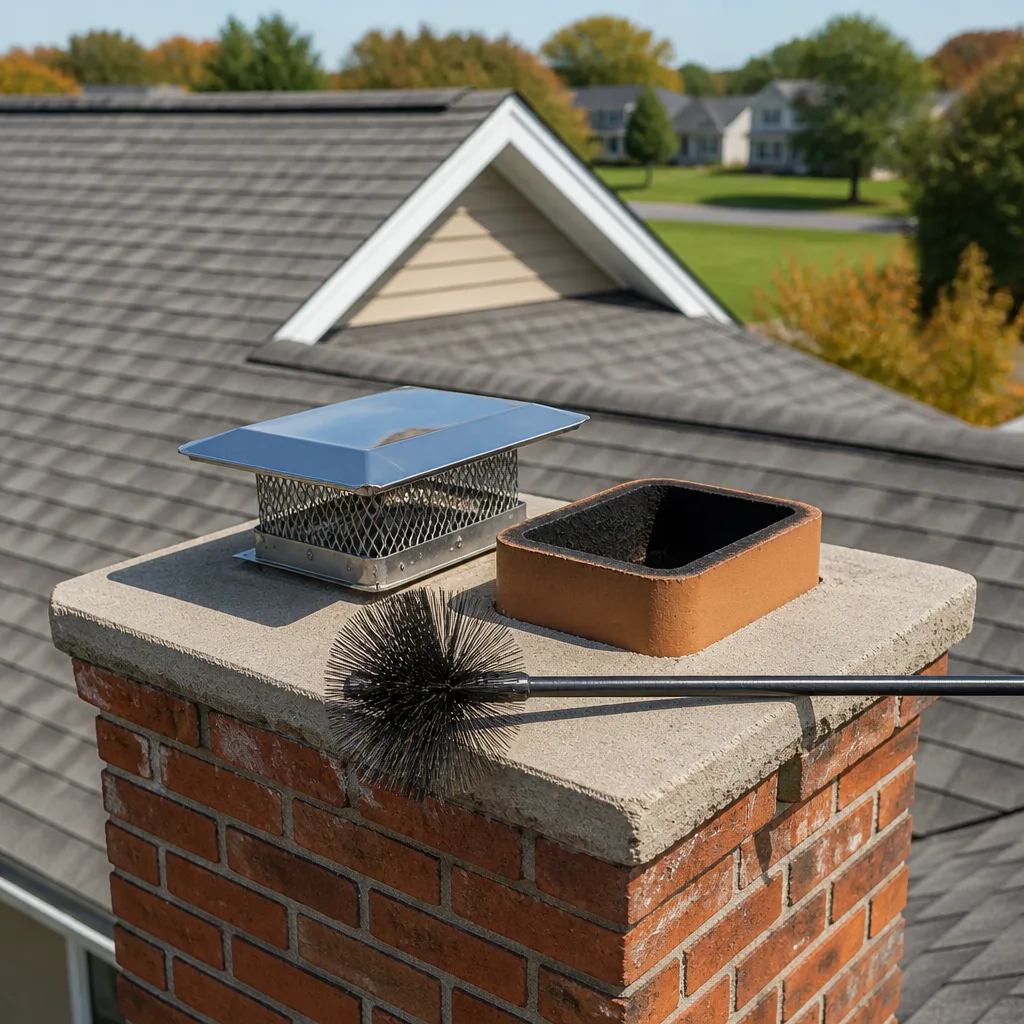 Sweep & inspection
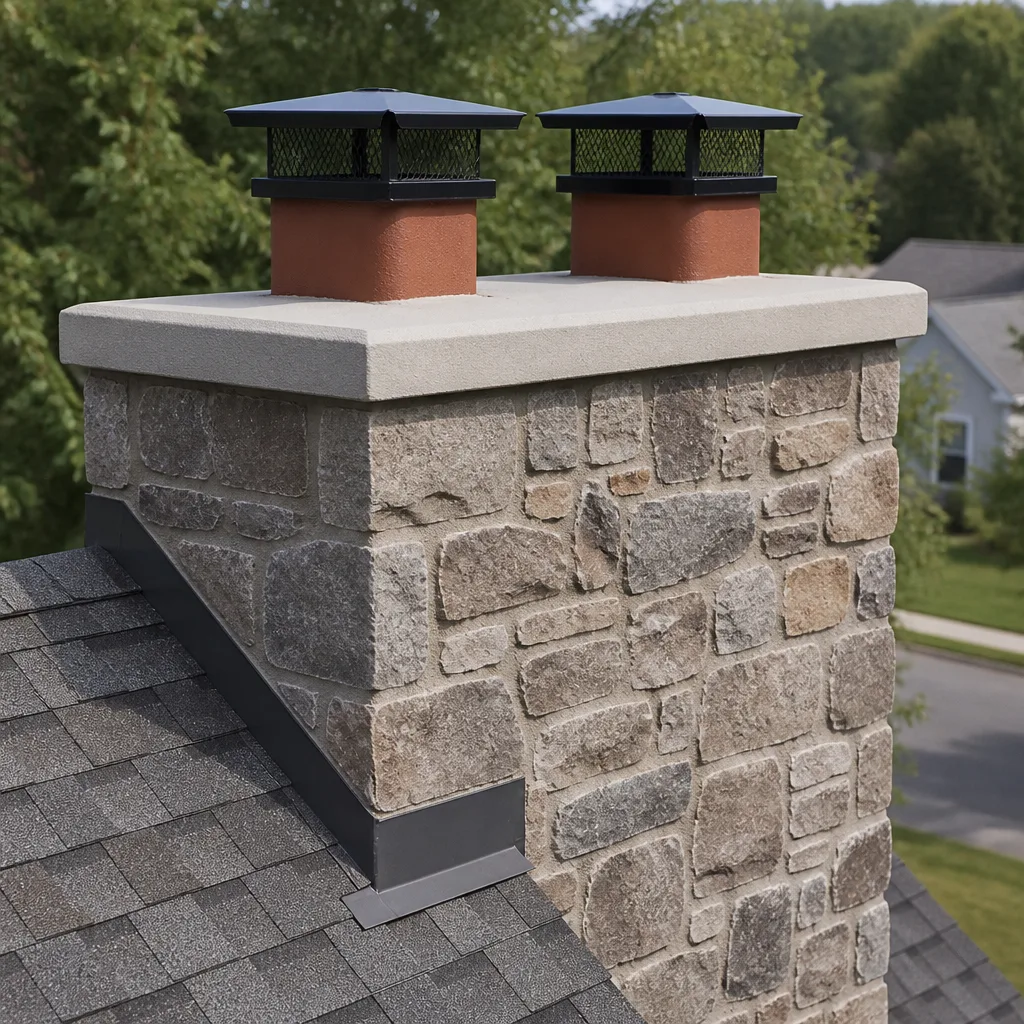 Caps & crowns
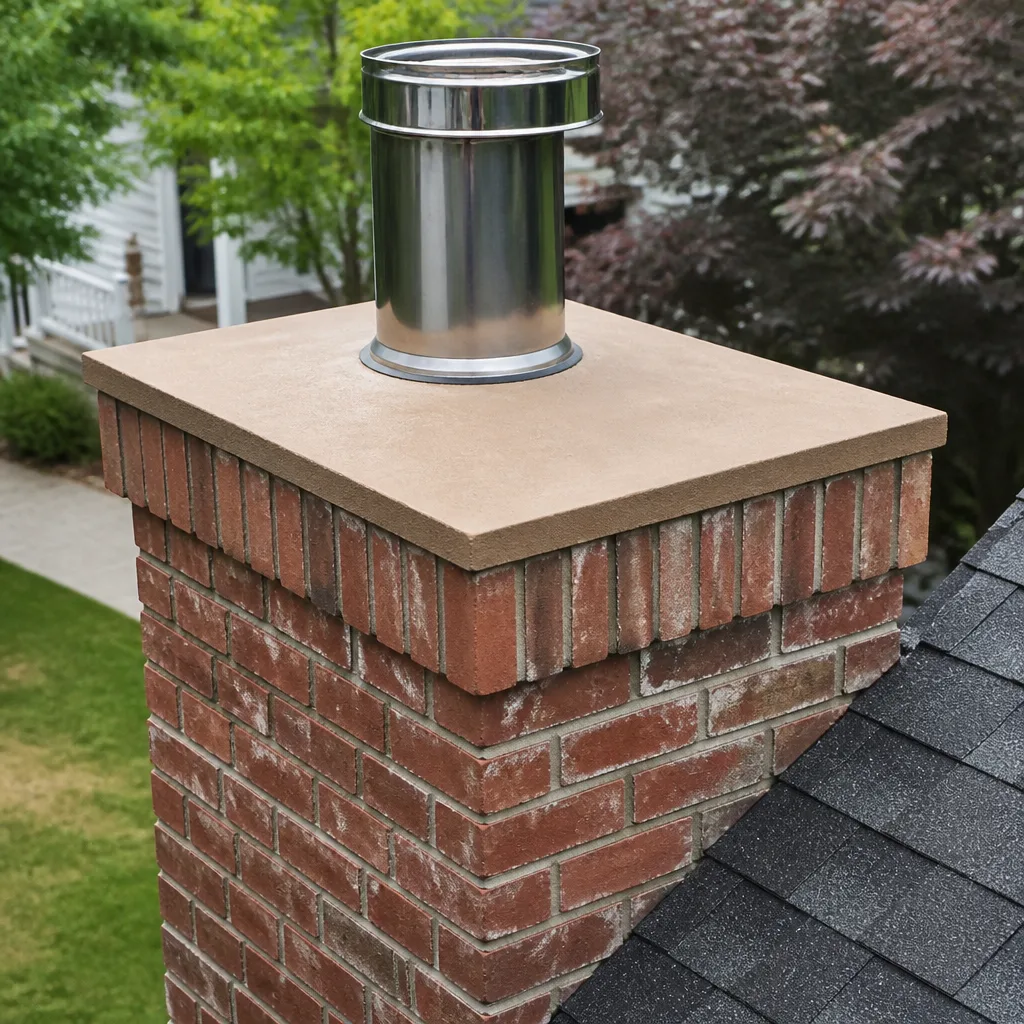 Flue relining
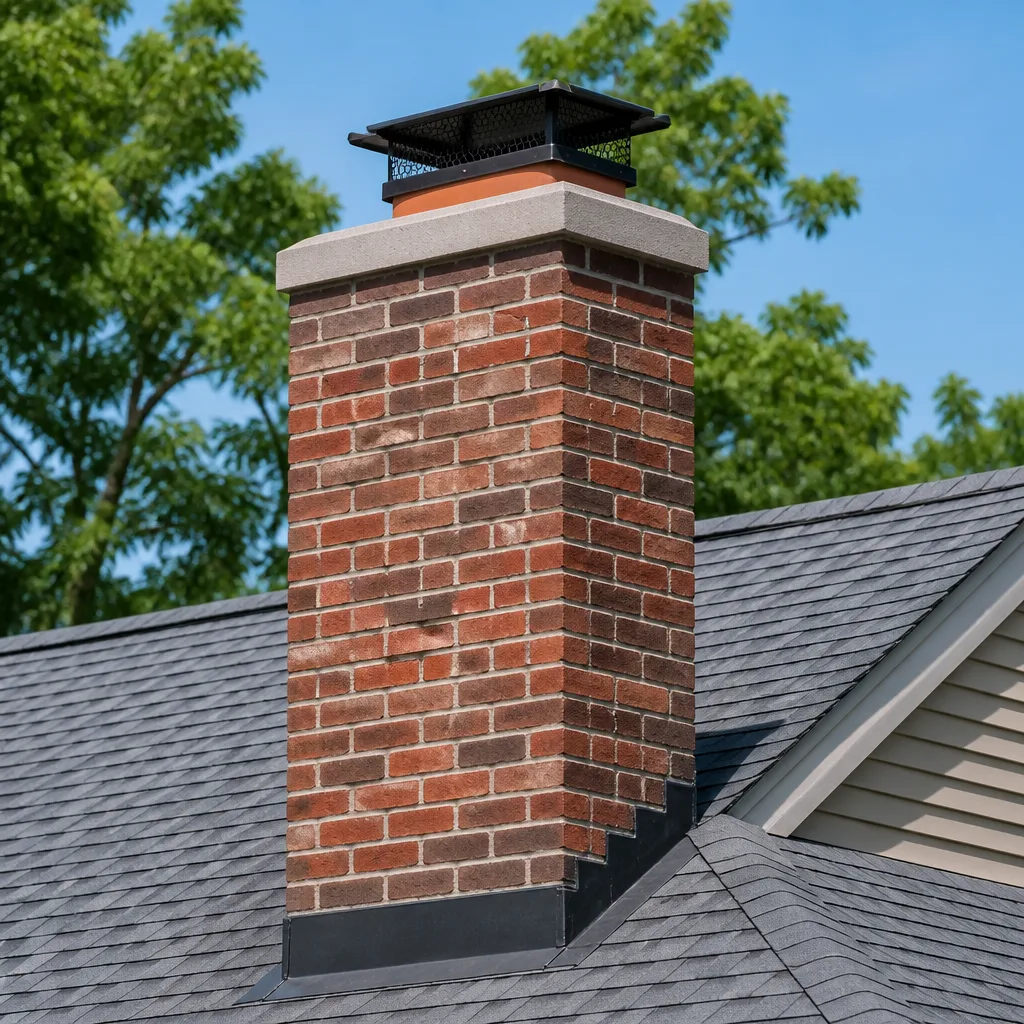 Masonry repair
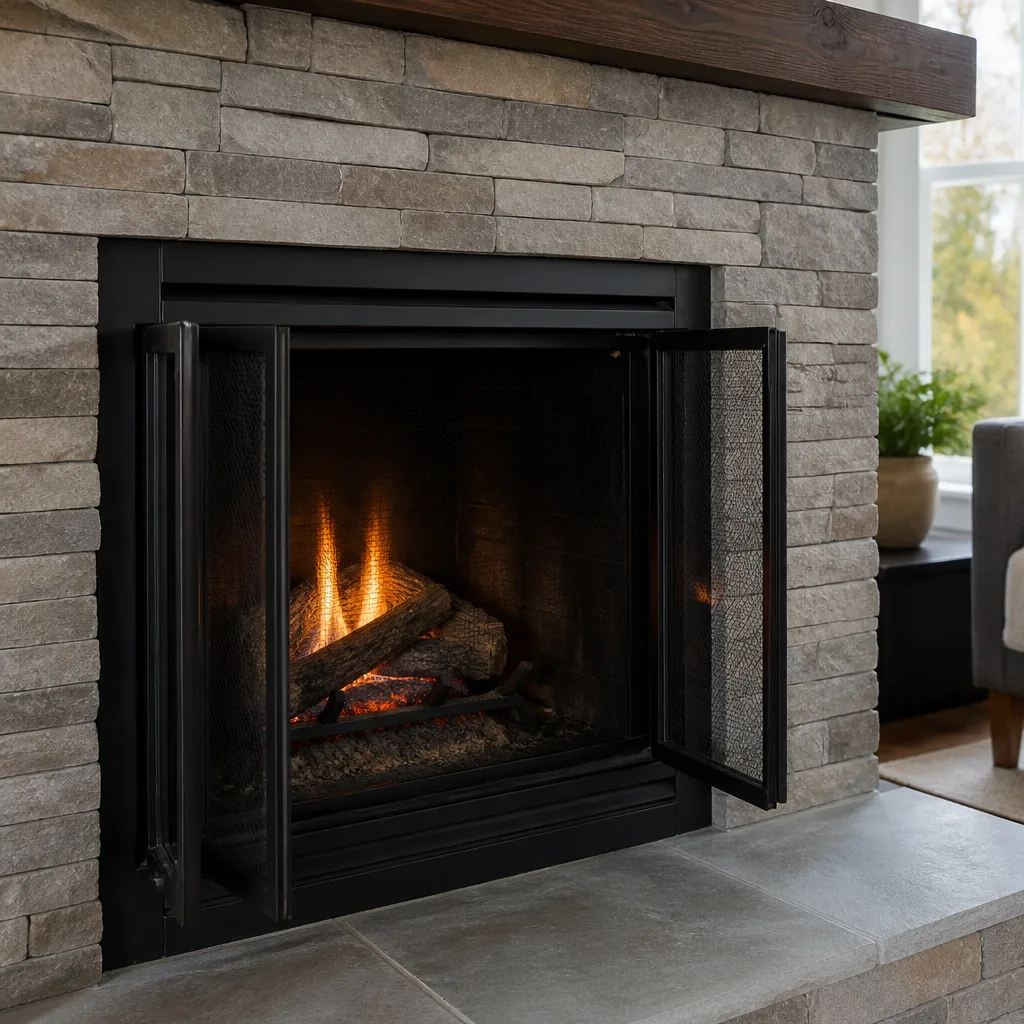 Gas fireplace service
Level 1 sweep and inspection to the NFPA 211 annual standard - flue, crown, cap, and flashing checked and photographed
Chimney sweep logs do not sweep chimneys. They loosen some creosote - which then falls where a brush and vacuum still have to collect it.
DIY vs Professional Chimney Cleaning: The San Antonio Homeowner’s Decision Guide
The average chimney brush costs $40 on Amazon. A professional chimney sweep in San Antonio typically runs $180 to $340. That gap isn’t the markup on a brush, and it isn’t a convenience fee. It’s the price of knowing whether your flue is safe to burn another winter. What most San Antonio homeowners don’t realize until they’re on the roof with a flashlight and a drop cloth is that a brush only removes what you can reach. It tells you nothing about what you’re actually looking at. This guide breaks down exactly what DIY cleaning can and can’t accomplish, what a professional actually does for the money, and how to decide which path makes sense for your chimney, your roof pitch, and your burn habits. For more on what to expect from a pro, see our step-by-step guide to hiring a chimney cleaning contractor in San Antonio.
Styles & brands we work with
Quick Answer
DIY chimney cleaning is a legitimate option for San Antonio homeowners with single-story homes, light seasonal use, and a professional inspection on file from the last three years. It is not appropriate for chimneys with Stage 2 or higher creosote buildup, any visible liner damage, or no inspection record. The honest difference is that a brush removes surface creosote, while a professional cleaning includes the inspection that tells you whether the flue is actually safe.
Table of Contents
- What DIY Chimney Cleaning Can Actually Do
- What DIY Cleaning Structurally Cannot Do
- The Real Cost Breakdown: DIY vs Professional in San Antonio
- DIY Tools, Safety Gear, and Difficulty Ratings
- Three Scenarios Where DIY Is Genuinely Not Appropriate
- Using DIY as a Maintenance Bridge, Not a Replacement
- What a Professional Sees That a DIYer Cannot
- Common Mistakes to Avoid
- When to Call a Professional
- Frequently Asked Questions
- The Bottom Line
What DIY Chimney Cleaning Can Actually Do
A chimney brush on a flexible rod system can remove loose, flaky creosote from the flue walls. That’s real work. If your chimney has light Stage 1 creosote (that dusty, sooty film that looks like fine black powder), a nylon or poly brush run up and down the flue will knock most of it loose. You’ll see it fall into the firebox, you’ll vacuum it up, and the flue will be measurably cleaner than it was before you started. No one should pretend otherwise.
The task itself is mechanically simple. You attach brush sections to rods, feed them through the damper opening or down from the roof, and scrub. A homeowner who can change their own oil or replace a bathroom faucet can handle the physical mechanics. The variables that make it harder are access, roof geometry, and what you don’t know about the condition of the chimney itself.
In San Antonio, the practical realities are these. Most homes are single-story ranch or two-story traditional builds on relatively flat lots. Single-story roofs with a walkable pitch (4/12 or under) are genuinely accessible to a confident homeowner. Two-story chimneys, steep pitches, or any roofline where you’re working from an extension ladder at height changes the safety calculus entirely. Clay tile roofs, common in older San Antonio neighborhoods like Monte Vista and Jefferson, also require knowing where to stand without cracking tiles, which is not a skill you pick up from a YouTube video.
Here’s what DIY cleaning is honestly good for in the San Antonio market:
- Maintenance between professional inspections. If you burned ten fires last winter, used well-seasoned oak, and had a clean inspection in September, a mid-season brush run in January is a reasonable, safe practice.
- Fireplaces used fewer than 20 burns per year. Light, occasional use produces Stage 1 creosote that a brush genuinely removes.
- Homes with straight flues. No offset bends, no masonry corbels, no double-elbow gas-to-wood conversions. Straight pipe is mechanically simple to brush.
- Homeowners who already own a chimney brush kit and understand roof safety. If you’re already up on the roof cleaning gutters twice a year, a chimney brush is one more maintenance task.
That’s a legitimate list. It’s not a long list, because the limitations are structural, not skill-based.
What DIY Cleaning Structurally Cannot Do
This is the section most DIY chimney articles skip, because it’s uncomfortable to write. The brush is not the job. The brush is a small part of the job, and here’s the truth: the brush is the only part you can buy.
A chimney sweep’s real work product is a set of judgments about whether your flue is safe to use. Those judgments require seeing the entire system, not just the section of flue your brush touches. Here’s what a DIY cleaning cannot accomplish, regardless of effort or care:
It cannot assess the condition of the flue liner. A brush runs through the flue. It is designed to contact the liner walls. What it cannot tell you is whether the liner is cracked, spalled, or separating at the mortar joints. Clay tile liners in older San Antonio homes develop cracks from the thermal expansion and contraction of Texas heat cycles, and a cracked liner lets heat and carbon monoxide reach the wood framing around the chimney chase. You can brush right past a cracked liner and have no idea it’s there.
It cannot evaluate the smoke chamber. The smoke chamber is the transition area above the damper where the flue widens from the firebox. It’s the most common place for creosote to accumulate in a masonry fireplace, and it is almost impossible to clean properly from inside the firebox or from the roof with a standard retail brush kit. Professional sweeps use angled brushes or rotary cleaning systems specifically for this area. Every San Antonio chimney we’ve seen with a serious creosote problem had most of it sitting in the smoke chamber, which is exactly where the Amazon brush kit doesn’t reach.
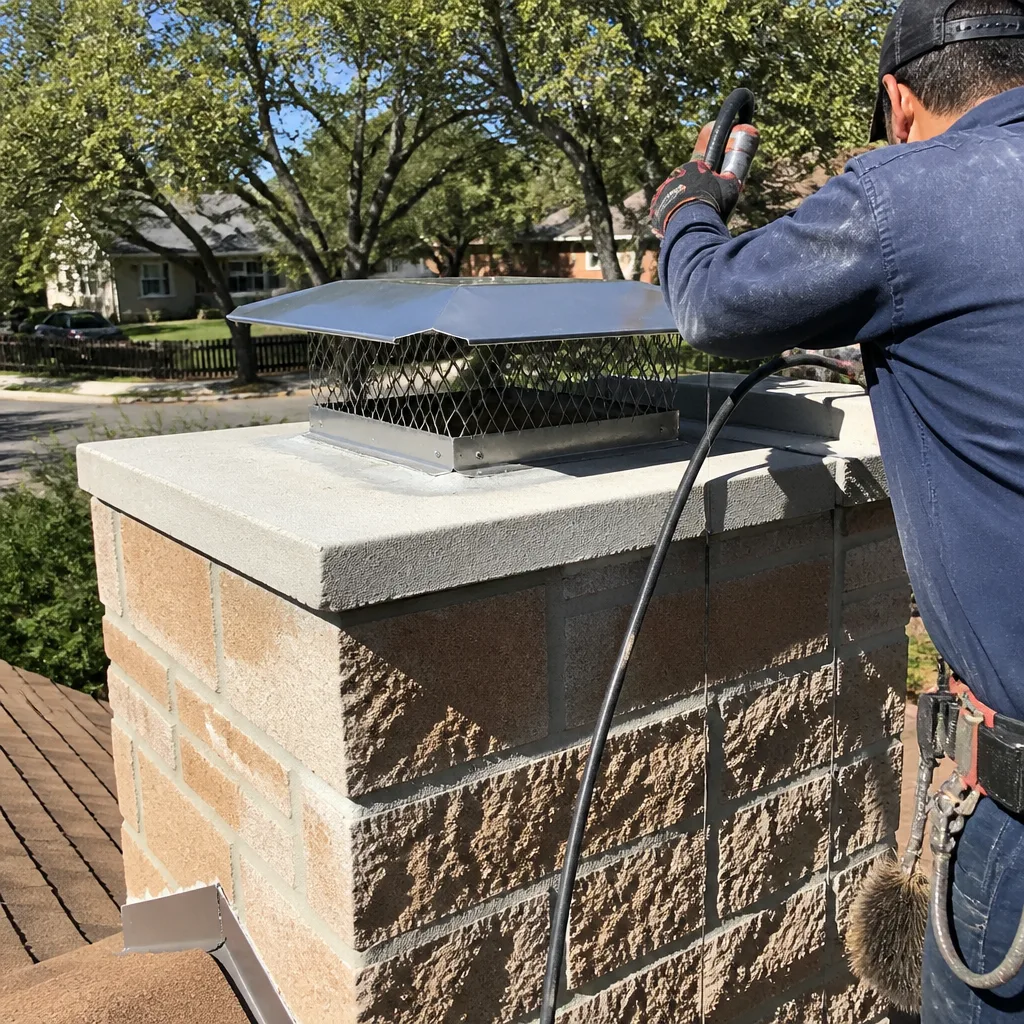
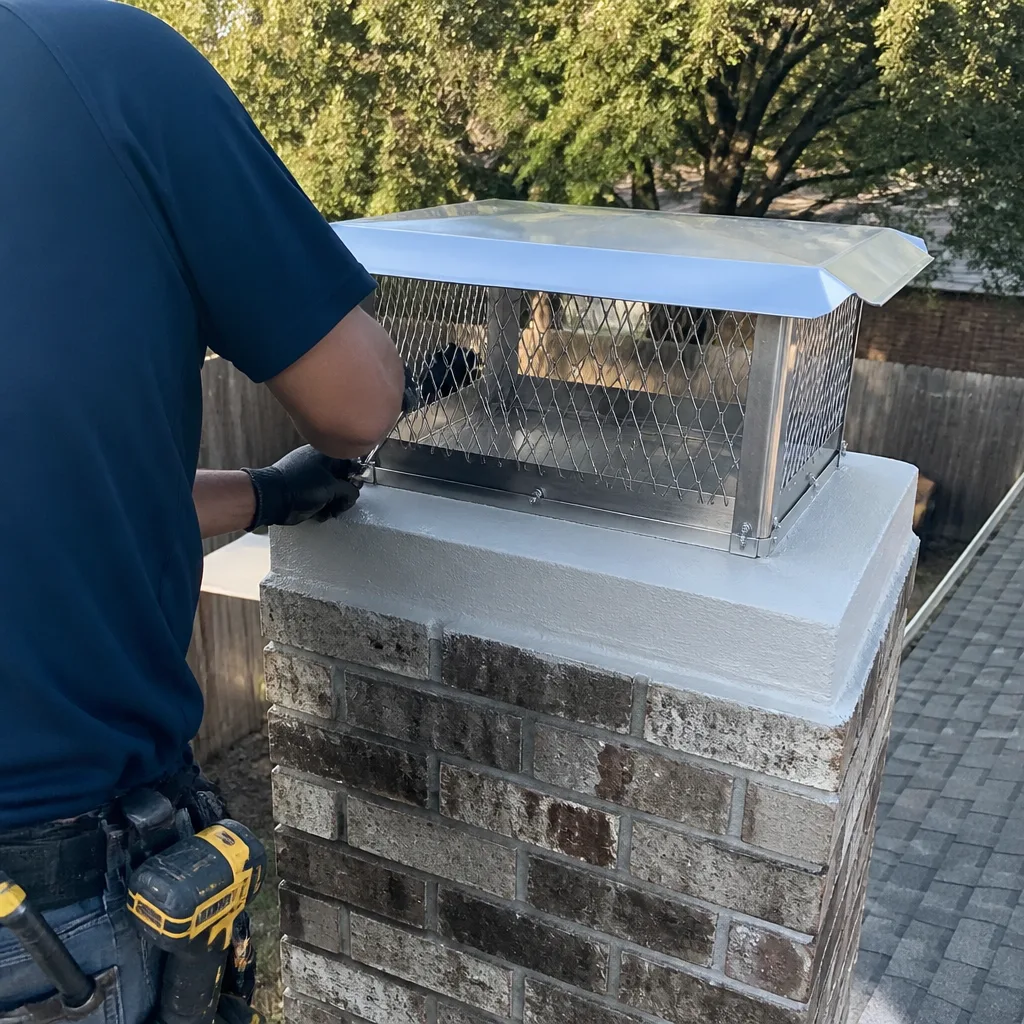
It cannot check the chimney cap and crown from above. Unless you’re willing to walk the roofline and get directly over the flue opening, you won’t see whether the cap is rusted or missing, whether the crown has hairline cracks that let water in, or whether debris has built up at the flue terminator. A cap that’s failed means water in the flue, and water plus creosote means acidic fluid eating mortar joints. That failure mode is invisible from the ground and often invisible to a homeowner standing at the roofline edge.
It cannot give you a baseline for what “clean” means in your specific flue. A professional cleaning typically includes a camera inspection in San Antonio’s market because the homes here are old enough and the weather events severe enough that visual inspection alone isn’t sufficient. The camera shows what bare eyes and a brush cannot: hairline cracks, hidden creosote dams, and firebox deterioration. That footage is also documentation, which matters when you sell the house.
The Real Cost Breakdown: DIY vs Professional in San Antonio
Let’s put honest numbers on the table, because most DIY chimney articles compare a $40 brush to a $300 sweep and pretend that’s the full equation. For a detailed look at what drives those numbers, see our Chimney Cleaning Cost Breakdown for San Antonio homeowners. It isn’t. Here’s the actual cost comparison for a San Antonio homeowner doing this the right way:
| Item | DIY (First Year) | Professional (First Year) |
|---|---|---|
| Brush kit (poly rods, 6″ or 8″ brush) | $45 – $80 | Included in sweep price |
| Safety gear (gloves, goggles, N95 respirator) | $35 – $60 | Included |
| Drop cloths (canvas, firebox and hearth) | $15 – $25 | Included |
| Ladder (extension ladder rated for roof access) | $150 – $300 if not owned | Not needed |
| Shop vacuum with HEPA filter | $80 – $150 if not owned | Included |
| Camera inspection | Not possible with DIY kit | Included with most sweeps |
| Chimney sweep service (San Antonio market) | $0 | $180 – $340 |
| Real first-year total | $325 – $615 | $180 – $340 |
That table surprises people, and it should. The first year of DIY chimney cleaning costs more than a professional sweep in San Antonio once you account for the ladder, vacuum, and safety gear most households don’t already own. The DIY savings only materialize in year two or three, when the equipment is paid off and you’re just buying the occasional replacement brush head.
But the cost picture isn’t only about equipment. It’s about what the money buys. A $265 professional sweep in San Antonio typically includes the cleaning, a camera inspection with photos delivered to your phone, a written report of liner condition, and a chimney cap check from the roofline. The DIY equivalent buys you the brush and the assumption that everything you can’t see is fine. That assumption is the expensive part.
DIY Tools, Safety Gear, and Difficulty Ratings
If you’ve read this far and you’re still leaning DIY, here’s the complete kit and the honest difficulty assessment. This isn’t a gatekeeping exercise. It’s the list we would give a friend who asked “what do I actually need to do this myself?”
Required Equipment for DIY Chimney Cleaning
- Chimney brush kit: Poly or nylon brush sized to your flue (most San Antonio masonry fireplaces are 8″x12″ rectangular or 13″x13″ square; measure before ordering). Rods should be flexible to handle minor offset. Cost: $45 – $80.
- Extension ladder: Type IA or Type I rated, tall enough to reach the roof with three feet of overlap. A 16-foot ladder handles most single-story San Antonio roof access points. Cost: $150 – $300 new, or rent one for the day.
- Canvas drop cloths: Two, minimum. One inside the firebox and hearth area, one on the floor in front of the fireplace. Plastic tarps shred and let fine soot through.
- Shop vacuum with HEPA filter: A standard household vacuum will not handle fine creosote dust. You need a HEPA-rated filter and a bag, or you’ll blow fine particles through your living room. Cost: $80 – $150.
- N95 respirator: Not a paper mask. Creosote dust is an irritant and a known carcinogen. A properly fitted N95 is the floor, not the ceiling.
- Safety goggles and work gloves: Standard, but non-negotiable. Creosote burns skin and eyes.
- Headlamp or high-lumen flashlight: You’ll be inside the flue or looking down it, and you need to see what you’re doing.
Difficulty Ratings, Honestly Scored
- Single-story home, straight flue, walkable roof, firebox access: Moderate difficulty. The work is physical but straightforward. Expect 2 – 3 hours for a first-timer including setup and cleanup.
- Two-story home, chimney on second-story roofline: High difficulty. Ladder work at height with a brush and rods is genuinely dangerous. This is where most DIY injuries happen.
- Steep roof pitch (8/12 or higher): Do not attempt. The risk of a fall outweighs any savings. Hire the professional.
- Chimney with an offset or corbeled flue: High difficulty. Flexible rods help, but you’ll struggle to get full brush contact. Most retail kits leave creosote in the bend.
- Pre-fab fireplace (metal chimney, not masonry): Moderate to high. The flue is round and smooth, which makes brushing easier, but pre-fab chimneys are more sensitive to damage from wrong-sized brushes. If you don’t know the exact flue diameter, don’t guess.
One safety note that matters: if you are on a ladder at the roofline with both hands on a brush rod, you have no hands on the ladder. That’s the job. Professional sweeps tie off or work from roof access with proper anchor points. On a two-story San Antonio home in the summer, with a composite shingle roof at 140 degrees, the margin for error is thin. We’ve been called out to enough chimneys after a neighbor tried to help a homeowner who fell that we’ll say this plainly: if you’re not comfortable standing on your roof for 45 minutes without holding onto anything, this job isn’t for you.
Three Scenarios Where DIY Is Genuinely Not Appropriate
There are three specific situations where a homeowner should not attempt DIY chimney cleaning, regardless of skill level or equipment quality. These aren’t preference calls. They’re safety lines.
Scenario 1: Heavy Creosote Buildup (Stage 2 or Stage 3)
Creosote isn’t one substance. It exists in three stages, and the stage determines whether a brush is useful or useless. Stage 1 is dusty soot. Stage 2 is flaky, crunchy buildup that looks like coffee grounds glued to the flue walls. Stage 3 is glazed, tar-like creosote that looks like shiny black rock candy.
Here’s the part most DIY guides won’t tell you: a nylon brush will not remove Stage 2 or Stage 3 creosote. It simply won’t. Stage 2 requires aggressive wire brushing or rotary cleaning with steel cable systems. Stage 3 often requires chemical treatment (a product like Poultice Creosote Remover applied as a spray or powder) left to work for days before a follow-up sweep. In our experience, San Antonio homes that burn unseasoned mesquite or oak, or that burn regularly through the winter without a mid-season inspection, develop Stage 2 creosote faster than homeowners expect. Mesquite is a beloved San Antonio firewood, and it burns hot and long, but it produces creosote at a rate that surprises people who moved here from colder climates where pine was the norm.
If you scrape the flue wall with a fireplace poker and flakes come off that crinkle or snap, that’s Stage 2. If the surface looks shiny or wet, that’s Stage 3. Both need a professional sweep. A DIY brush on Stage 3 glazed creosote does roughly nothing except push the tar around.
Scenario 2: Any Sign of Liner Damage
If you see cracked firebrick in the firebox, crumbling mortar at the top of the flue, or pieces of clay tile in the ash, stop. Don’t brush. Don’t burn. The liner is the only thing between your fire and the wooden structure of your house. A cracked or separated liner lets heat reach combustible framing, and no amount of brushing fixes that.
In San Antonio’s older neighborhoods, particularly Alamo Heights, Olmos Park, and the 1920s-era homes around Monte Vista, clay tile liners are original to the home and approaching or past a century old. The freeze-thaw cycles we get in January nights paired with hundred-degree summer days stress clay liners in ways northern clay never experiences. Thermal shock is real here. If your home was built before 1960 and has never had a liner replacement or a HeatShield resurfacing treatment, assume the liner needs an inspection before you assume it needs a brushing.
Scenario 3: No Professional Inspection in 3+ Years
This is the one most people don’t want to hear. If your chimney hasn’t been professionally inspected in three years or more, do not use a DIY cleaning as the entry point back into burning. Here’s why: you don’t know the baseline. You don’t know if the creosote is Stage 1 or Stage 3, you don’t know if the liner has a crack behind the creosote, and you don’t know if the cap failed during the last storm. Cleaning without knowing what you’re cleaning is a gamble, and the stakes are a chimney fire.
The right sequence is simple. Book a professional chimney sweep and inspection once, get the camera report, understand the condition of the liner and smoke chamber. Then, if everything is clear and light-use, a DIY maintenance brushing between future inspections is a reasonable call. The first professional visit is the permission slip. Skipping it and starting with the brush is working blind, and working blind in a flue is how chimney fires start in houses that “always seemed fine.”
Using DIY as a Maintenance Bridge, Not a Replacement
The smartest homeowners we work with in San Antonio use DIY exactly one way: as a bridge between professional inspections, not as a substitute for them. For a maintenance calendar tailored to local weather and burn patterns, see our Seasonal Chimney Cleaning Care guide. Here’s what that looks like in practice, laid out as a schedule.
- September: Book a professional sweep and camera inspection before the burning season starts. Get the written report, review the photos, understand the condition of the liner, cap, and crown.
- November through February: Burn normally. If your burn volume is light (under 20 fires per season), one professional fall sweep may carry you through.
- January (if needed): If you’re burning heavily, a mid-season DIY brushing removes loose Stage 1 creosote and keeps the flue moving air efficiently. This is safe because you have a September baseline that confirmed no Stage 2 or 3 buildup, no liner damage, and a functioning cap.
- March: Stop burning. If you did a January DIY brush, do a visual check in the firebox and note anything unusual for next September’s inspection.
- Repeat annually. The professional inspection stays on the calendar every year. The DIY brush is optional and only happens between professional cleanings, never instead of them.
That schedule works. It saves money over the long run without ever putting you in the position of burning a fire in a chimney whose condition you haven’t actually verified. It’s the balance point between self-sufficiency and safety, and it’s what we recommend to homeowners who want to do some of their own maintenance without accepting the risks of an uninspected chimney.
If you’re in San Antonio and want a professional baseline before you pick up a brush, our Chimney Sweep in San Antonio service includes full camera documentation and a written report you can use to plan your own maintenance schedule. We’re not here to talk you out of DIY. We’re here to make sure you’re doing it with open eyes.
What a Professional Sees That a DIYer Cannot
The value of a professional chimney cleaning in San Antonio isn’t the brushing. It’s the inspection that happens during and after the brushing. A professional sweep’s eyes, camera, and roofline perspective produce information a homeowner with a brush kit cannot access. Here’s the specific list, because “trust us, we know what to look for” isn’t a reason. These are the actual things a professional sees:
Liner condition on camera. A professional sweep lowers a video camera through the entire flue after cleaning. The footage shows hairline cracks, mortar separation, spalling clay, and rust-through on metal liners. This is the single most valuable piece of information a chimney cleaning produces, and it is impossible to replicate from inside the firebox or from the roof with bare eyes. A cracked liner in a San Antonio home is not rare. It’s the most common significant finding in homes built before 1980.
Smoke chamber condition and creosote accumulation. The smoke chamber is the area above the damper and below the flue, and it’s where creosote and soot collect in heavy deposits. A professional uses angled brushes and often a rotary cleaning system to reach this area. From the firebox with a standard brush kit, you can’t even see the smoke chamber properly, let alone clean it. We’ve done camera inspections on chimneys that had been DIY-brushed for years, and the smoke chamber often holds 15 to 20 pounds of creosote that the homeowner never knew existed.
Chimney cap and crown from the roofline. Standing at the roofline, a professional sees the cap, the crown, the flash point, and the top course of brick. A failed cap lets water into the flue. A cracked crown lets water into the masonry. Water plus creosote equals acidic residue that degrades mortar joints and liner material. In San Antonio’s rainy spring and fall seasons, a chimney with a failed cap is a chimney that’s actively deteriorating from the top down. It’s frequently invisible from the ground.
Flashing and roof penetration condition. The section where the chimney meets the roofline is a common leak point. Professional sweeps inspect the flashing, the counter-flashing, and the sealant around the penetration. A DIY chimney cleaning from inside the fireplace or from a ladder at the gutter line never gets close to this area. Leaks here cause ceiling damage and attic moisture that homeowners often attribute to roof shingle failures, not chimney flashing.
Firebox and damper function. A professional checks the firebox for cracked refractory panels, the damper for smooth operation and proper seating, and the hearth for proper clearance. These are safety items that affect how the fireplace performs and whether combustion gases draft properly. Most DIY cleaning guides mention none of this, because the brush never touches any of it.
That’s the honest answer to “what am I paying for.” You’re paying for a camera, a trained eye, roofline access, and a written record of the chimney’s condition. The brush is included.
Common Mistakes to Avoid
If you decide to do a DIY chimney cleaning in San Antonio, here are the specific mistakes we see over and over, including the ones that end up costing homeowners a service call to fix the damage.
- Using the wrong size brush. A brush that’s too small leaves creosote on the flue walls and gives a false sense of cleanliness. A brush that’s too large can bind in the flue and break off. Measure the flue before ordering. Guessing is how rods get stuck.
- Cleaning from the firebox without sealing the room. Creosote dust migrates. If you don’t seal the fireplace opening with plastic and tape, or at minimum a tight-fitting canvas drop cloth, you’ll spend the next month finding black dust on every surface in the living room, including the ceiling.
- Skipping the respirator. Creosote is not just soot. It’s a complex mixture of combustion byproducts including polycyclic aromatic hydrocarbons. A bandana or paper mask is nowhere near adequate. Use an N95 minimum, and a half-face respirator with P100 filters is better.
- Brushing a hot or warm flue. Wait at least 24 hours after the last fire before cleaning. Brushing a warm flue releases volatile creosote compounds into your breathing space and makes the dust harder to contain.
- Ignoring what falls into the firebox. What the brush knocks loose tells you something. If it’s fine black dust, that’s Stage 1. If it’s flaky or chunky, that’s Stage 2. If chunks of tile come down, stop immediately and call a professional. The debris is diagnostic information, not just mess.
- Doing a roof-top cleaning without tying off or having a spotter. Even on a walkable roof, a moment of lost balance with a brush rod in both hands can send you off the edge. Have another person on the ground, keep a phone in your pocket, and tell someone when you’re going up and when you’re down.
- Treating a DIY brush as a substitute for an inspection. This is the big one. The brush removes surface stuff. It tells you nothing about cracks, leaks, or structural condition. If you’re DIY-cleaning an un-inspected chimney, you’re polishing the surface of a system whose safety you haven’t actually verified.
When to Call a Professional
The decision rule is simple: call a professional if any of these apply. You have a two-story home or a steep roof. You see or feel chunky or glazed creosote. You haven’t had a professional inspection in three years or more. You see any sign of water in the firebox, rust on the damper, or mortar cracks. You smell smoke inside the house when the fireplace isn’t in use, or you notice a campfire smell in the room after burning. Your home was built before 1980 and has an original clay liner. Or you just don’t want to spend a Saturday on the roof covered in soot, and you’d rather have a camera report and a written price before anyone starts work. Any one of those is a good enough reason.
Hadley Chimney San Antonio offers free estimates in San Antonio. Call (254) 276-4116 and a real person answers, 24/7. You’ll get a written price before any work starts, live arrival tracking, and before-and-after photos of the work. See our full Chimney Sweep in San Antonio service details for what’s included.
Frequently Asked Questions
Professional chimney sweeping in San Antonio typically runs $180 to $340 for a standard masonry fireplace, depending on flue height, creosote condition, and whether a camera inspection is included. Most reputable San Antonio sweeps include a basic camera check in the base price. Call (254) 276-4116 for a written quote before any work begins.
You can remove loose Stage 1 creosote from a straight, accessible flue with a retail brush kit, provided you have the right ladder, safety gear, and a HEPA vacuum for cleanup. The brush will not remove Stage 2 or Stage 3 creosote, will not reach the smoke chamber, and will not tell you anything about liner condition. DIY cleaning is safe only as maintenance between professional inspections on a chimney with a known-clean history.
The National Fire Protection Association standard says to sweep once creosote buildup reaches 1/8 inch, or at minimum once per year if you burn regularly. San Antonio’s relatively short burning season means many light-use homeowners are fine with an annual fall sweep and a mid-season visual check. If you burn mesquite or oak more than twice a week through the winter, schedule a mid-season professional sweep as well.
Not always. Hairline cracks in a clay liner can sometimes be addressed with a HeatShield ceramic resurfacing treatment, which restores the liner’s integrity without a full replacement. Significant cracking, separated joints, or liner collapse usually means a full liner replacement with something like a DuraFlex stainless steel system. The camera footage tells you which path you’re on, and any reputable chimney company will show you the cracks before recommending a fix. See our Chimney Repair in San Antonio page for more detail on liner options.
Creosote accumulates in stages, and Stage 3 glazed creosote is a combustion risk. A chimney fire burns hot enough to crack flue liners, warp metal chimneys, and spread to roof framing. Even without a fire, accumulated creosote restricts draft, which pushes smoke and carbon monoxide back into the house. The risk is real but predictable: schedule an inspection before burning, and you’ll know where you stand.
Most Texas homeowners policies cover chimney fire damage as part of the dwelling coverage, subject to your deductible. What insurers often check after a chimney fire is whether the chimney had been maintained. A documented professional inspection and cleaning within the last year strengthens a claim; an un-inspected chimney with years of creosote buildup can lead to a denied claim. Keep the inspection report and the photos. They’re your paper trail.
The Bottom Line
The DIY versus professional question isn’t actually about the brush. It’s about information. A $40 brush removes surface creosote from a straight flue, and for a San Antonio homeowner with a recently inspected chimney and light seasonal use, that’s a reasonable maintenance task. What it doesn’t do is tell you whether the chimney is safe, and that gap is where chimney fires, carbon monoxide leaks, and expensive liner repairs live. The honest recommendation: get the professional baseline first, understand what you’re working with, and then decide if a mid-season DIY brush makes sense for your roof, your chimney, and your comfort on a ladder. If you want that baseline from a company that shows you the photos and puts the price in writing before work starts, that’s exactly what Hadley Chimney San Antonio home does.
Written by Cory Mitchell, Owner at Hadley Chimney San Antonio, serving San Antonio since 2003.
See the difference
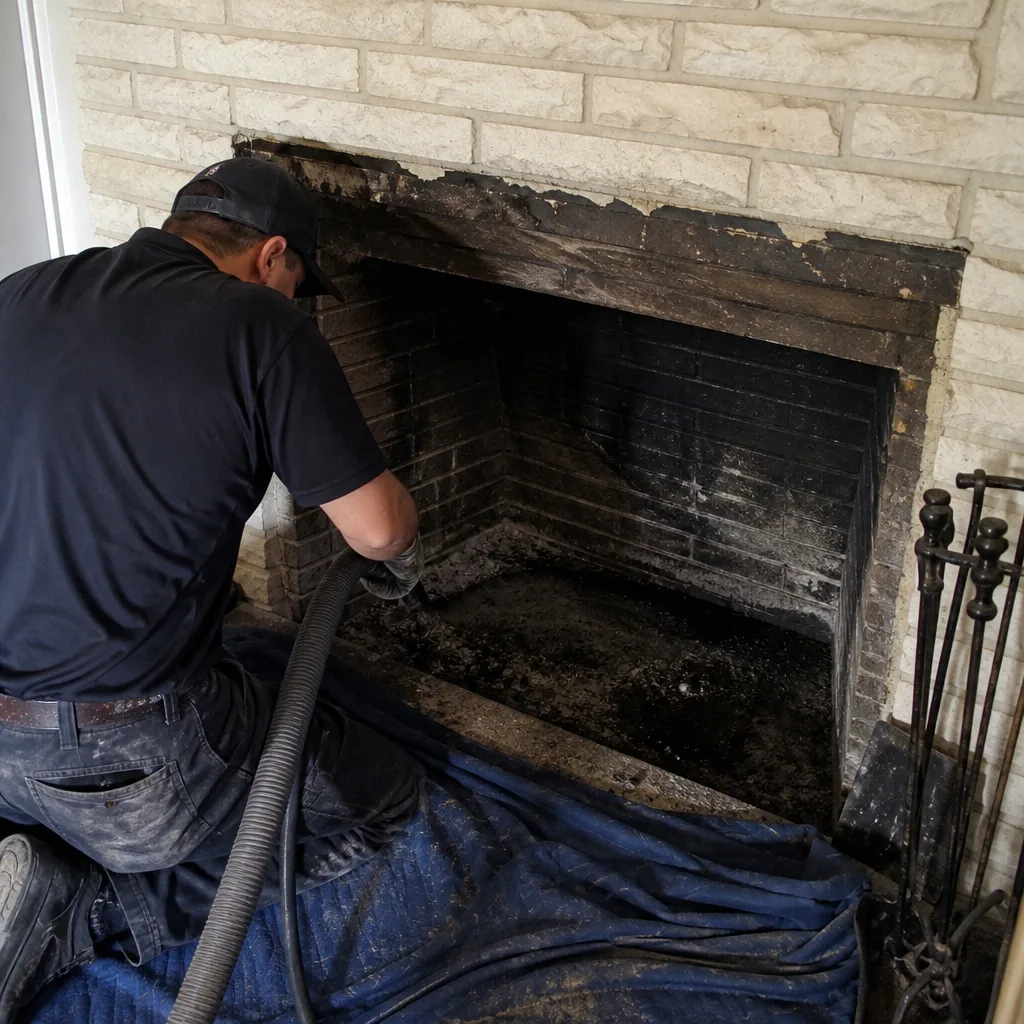 Before
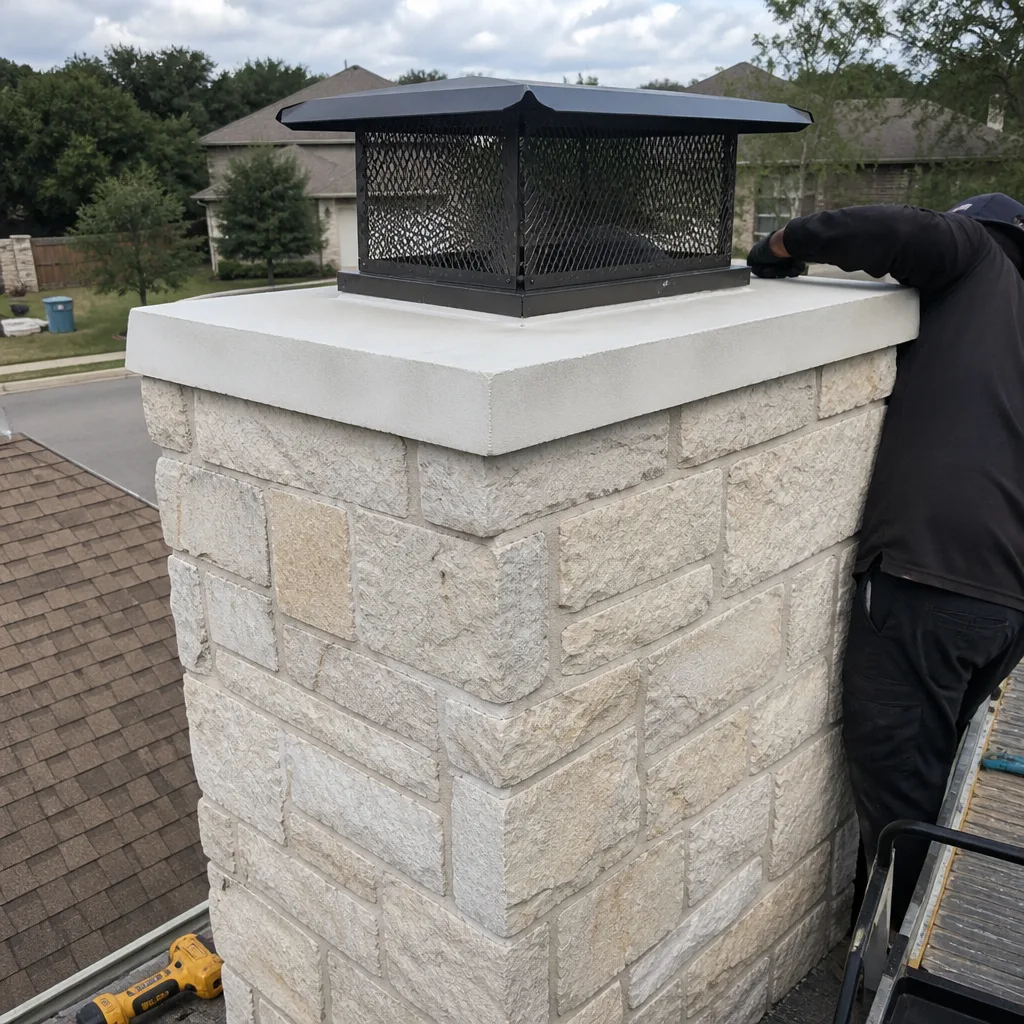 After
After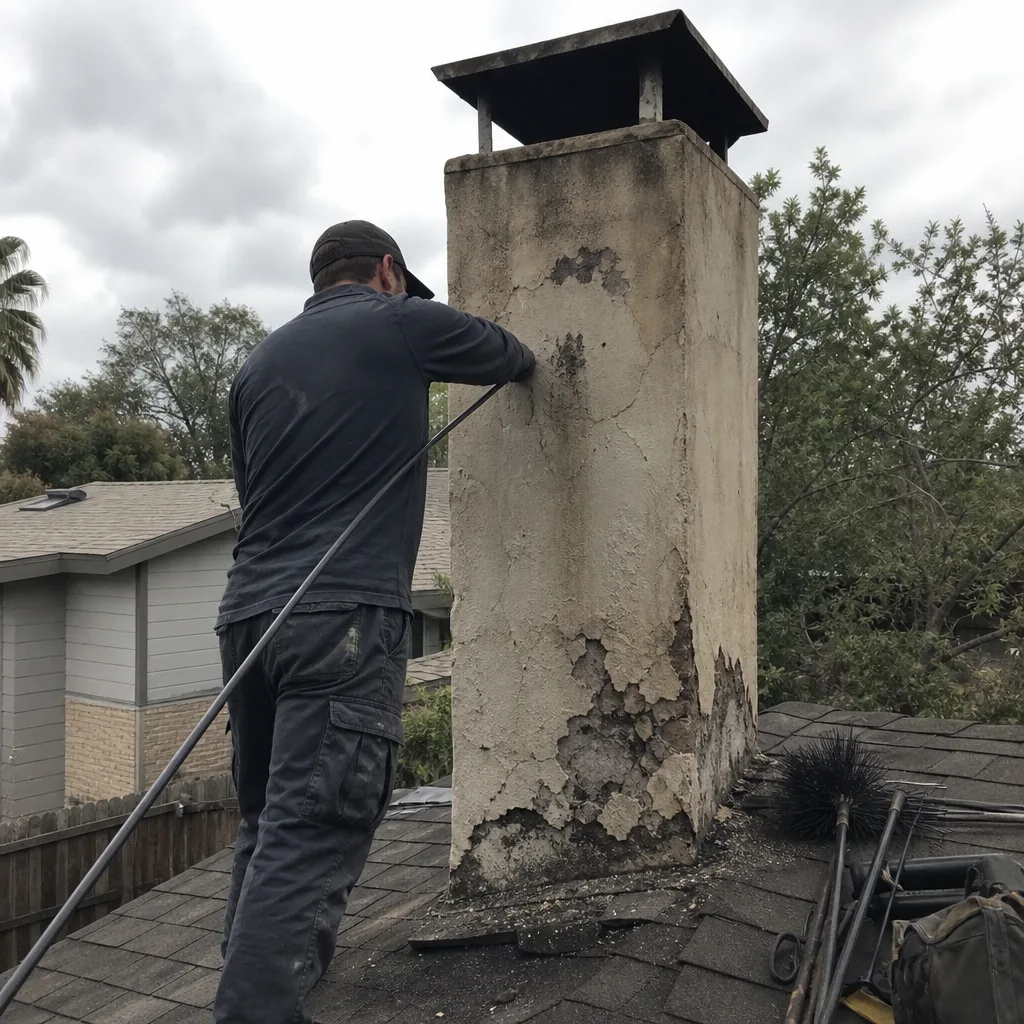 Before
 After
After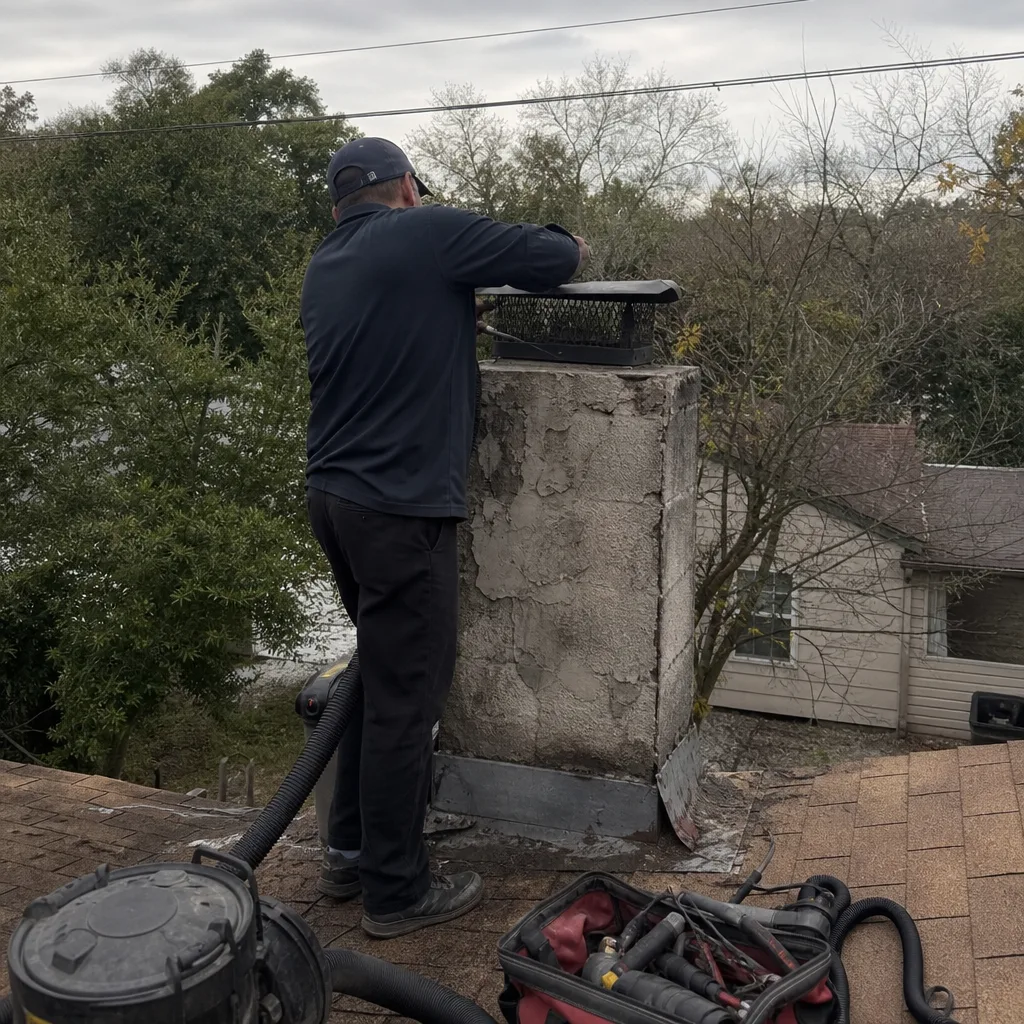 Before
 After
After