
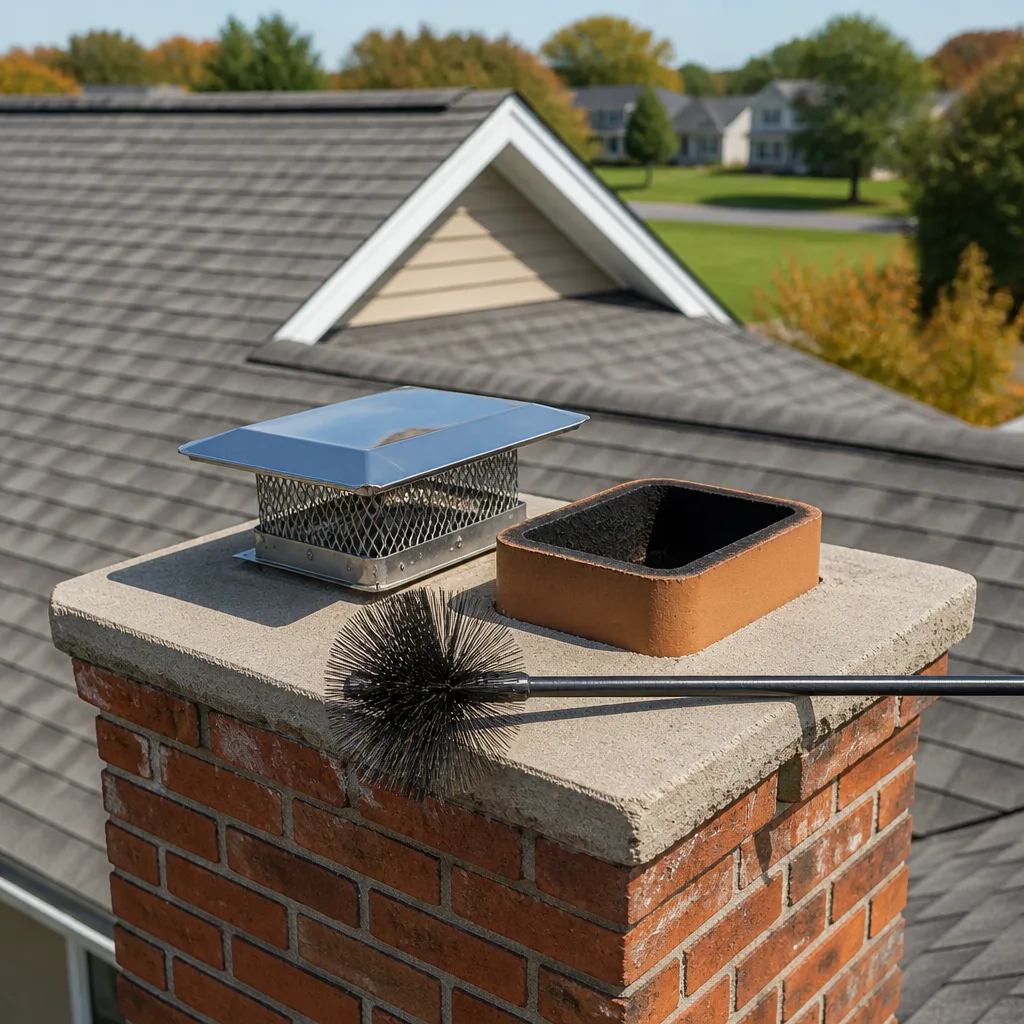
 Sweep & inspection
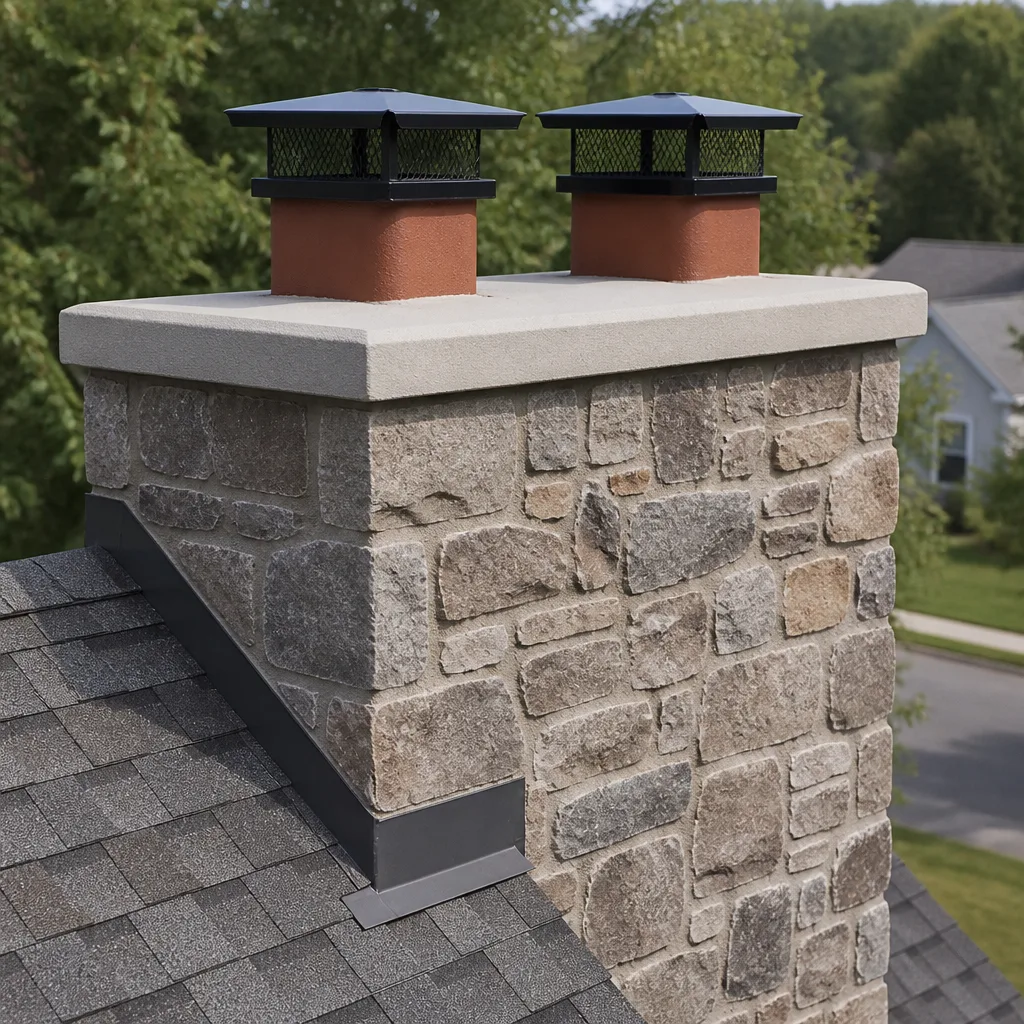 Caps & crowns
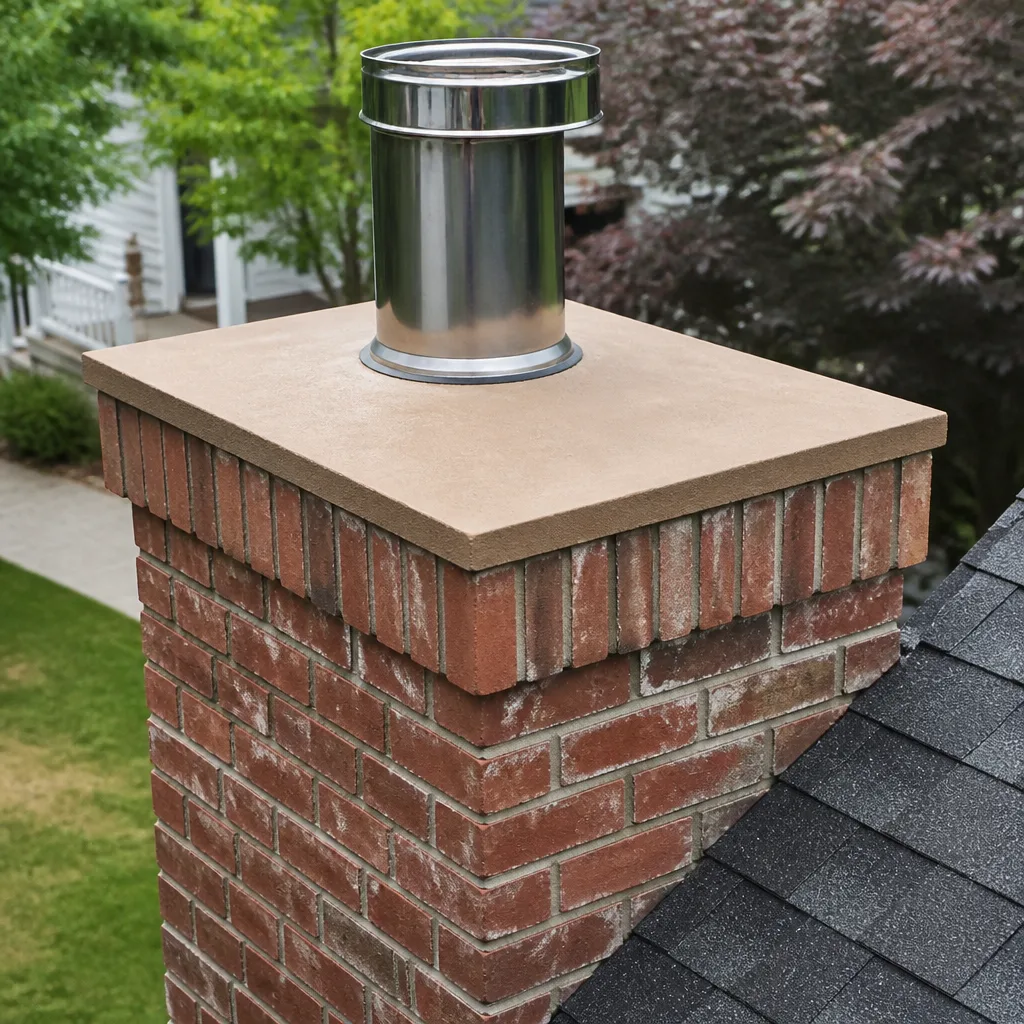 Flue relining
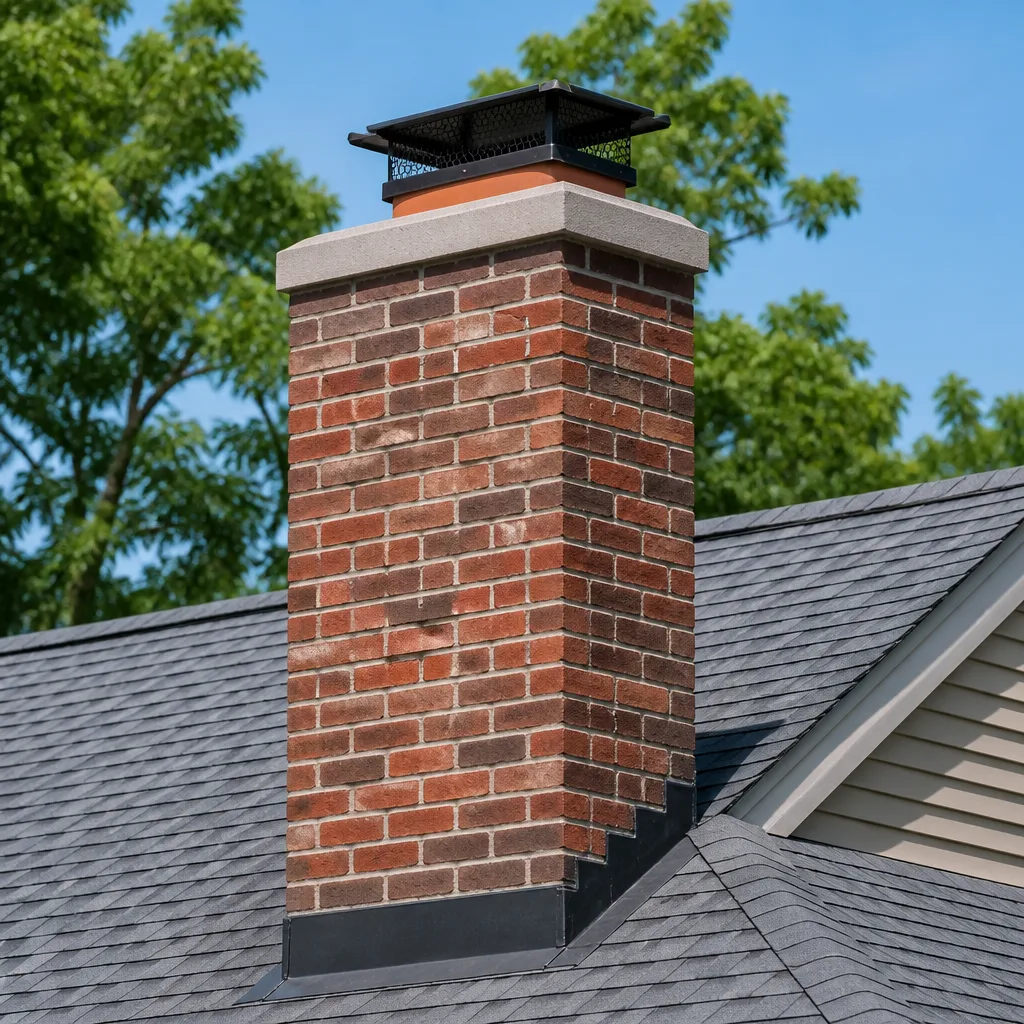 Masonry repair
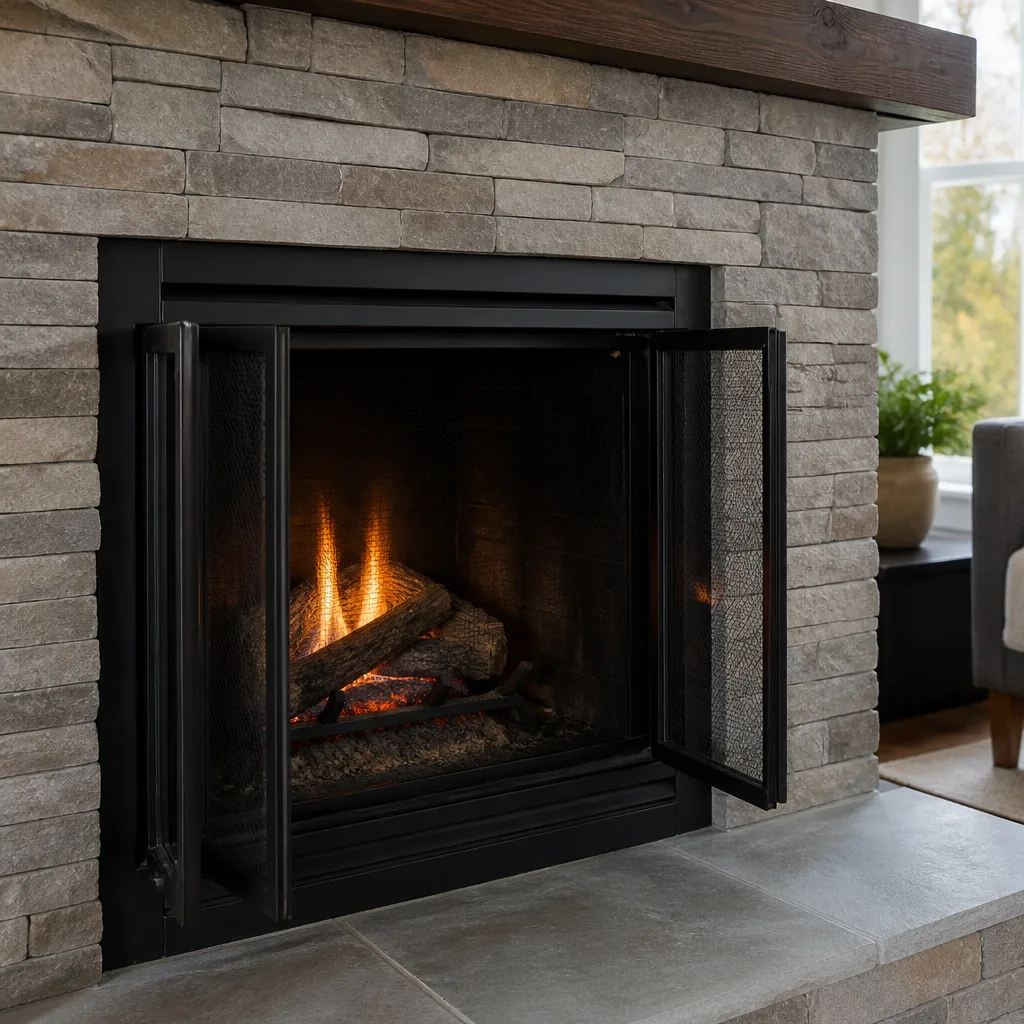 Gas fireplace service
Level 1 sweep and inspection to the NFPA 211 annual standard - flue, crown, cap, and flashing checked and photographed
Chimney sweep logs do not sweep chimneys. They loosen some creosote - which then falls where a brush and vacuum still have to collect it.
Styles & brands we work with
See the difference
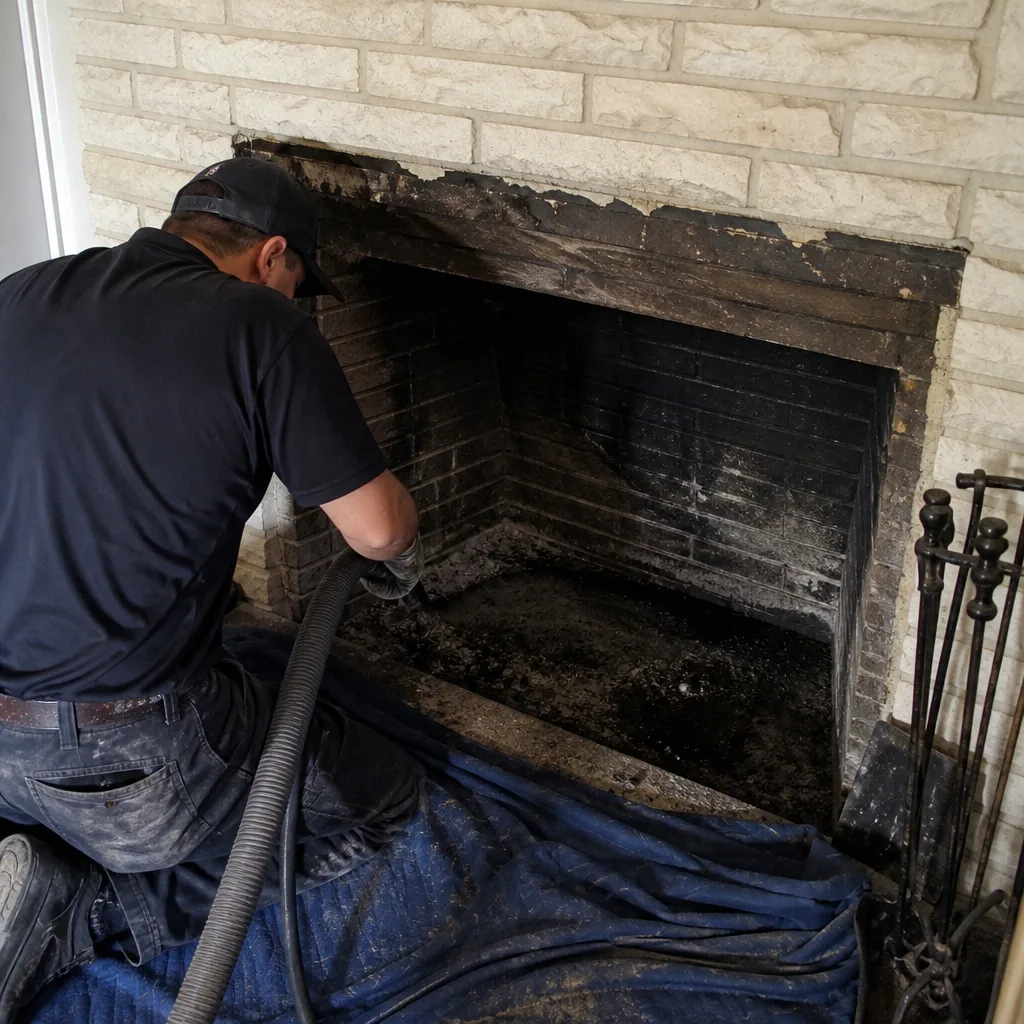 Before
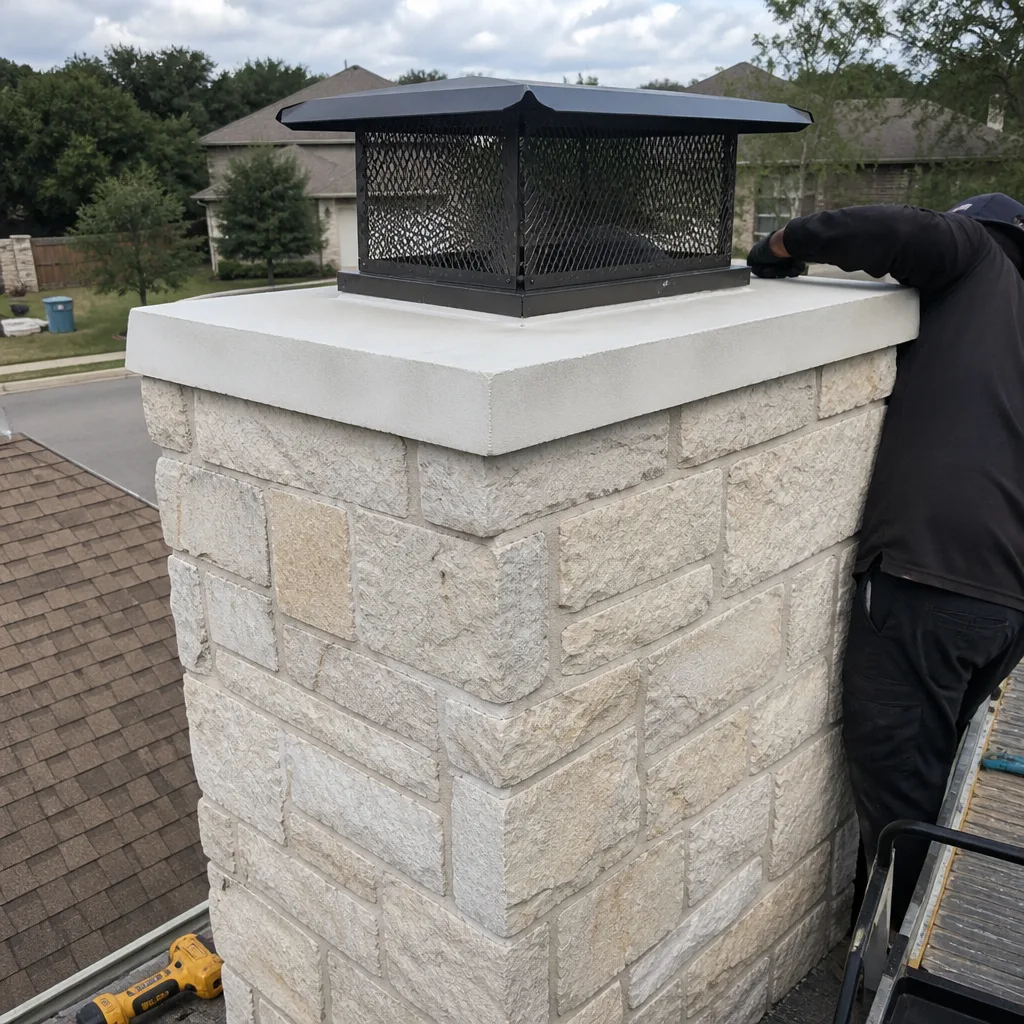 After
After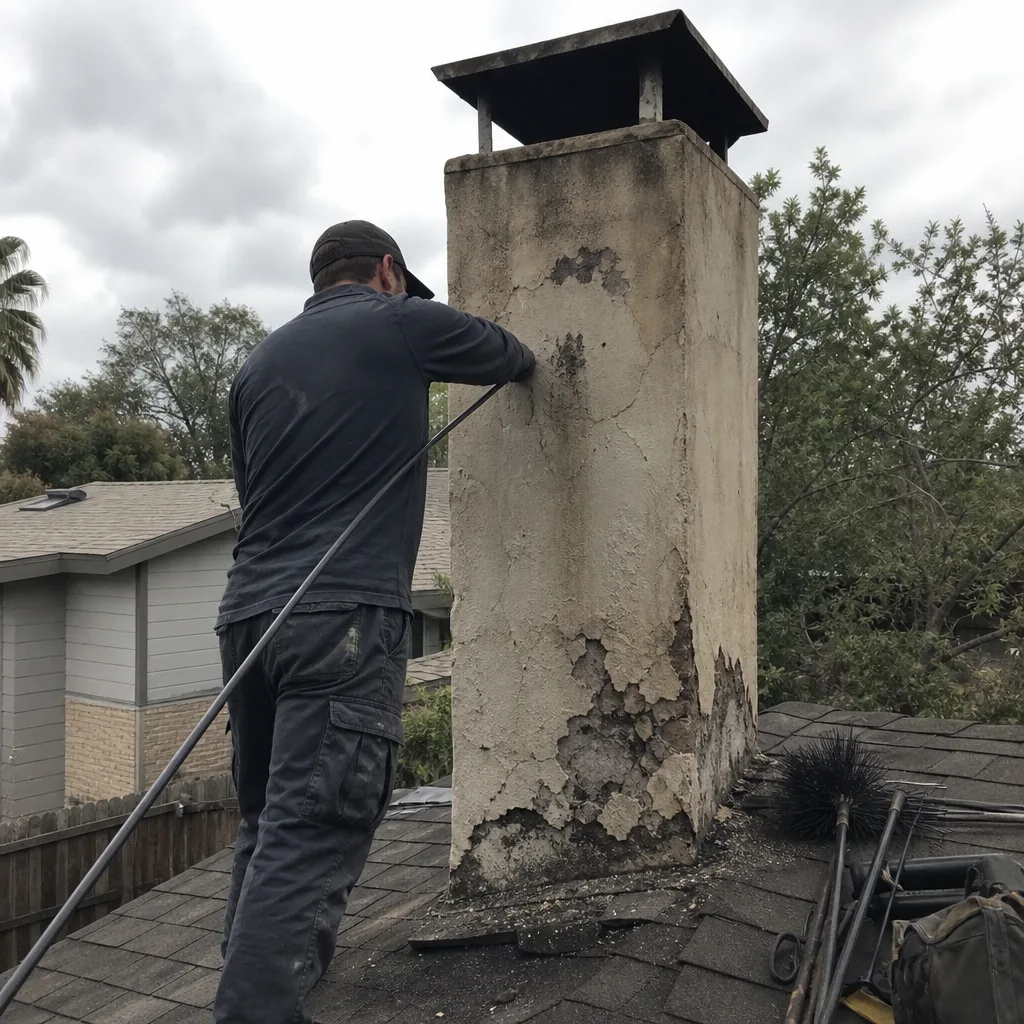 Before
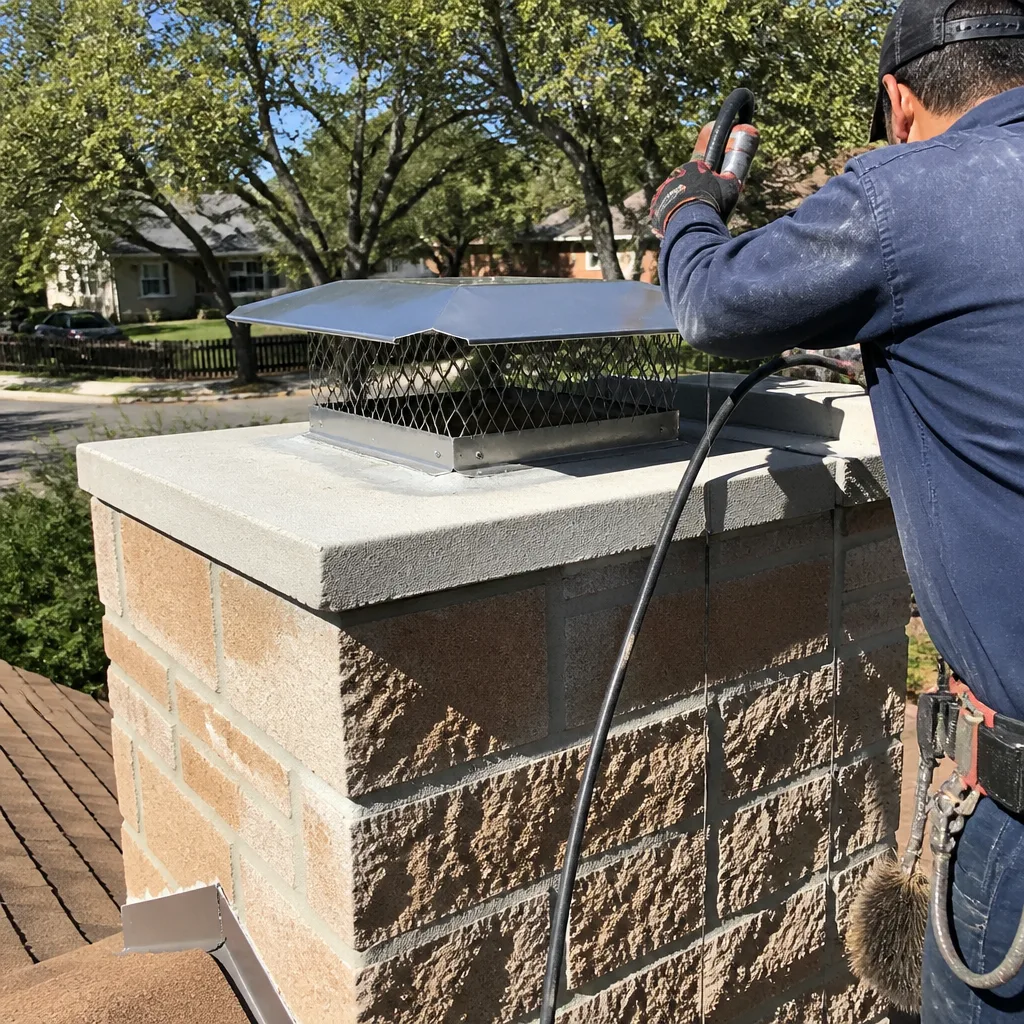 After
After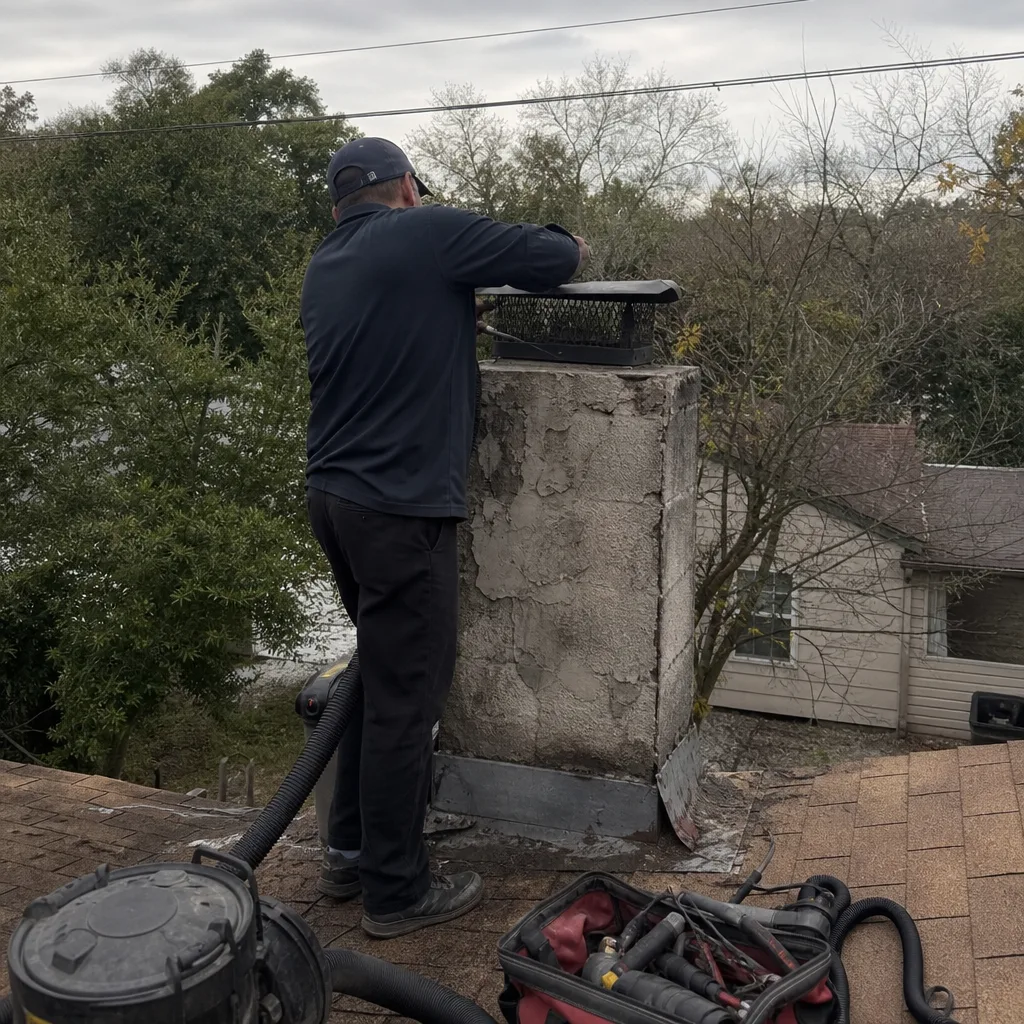 Before
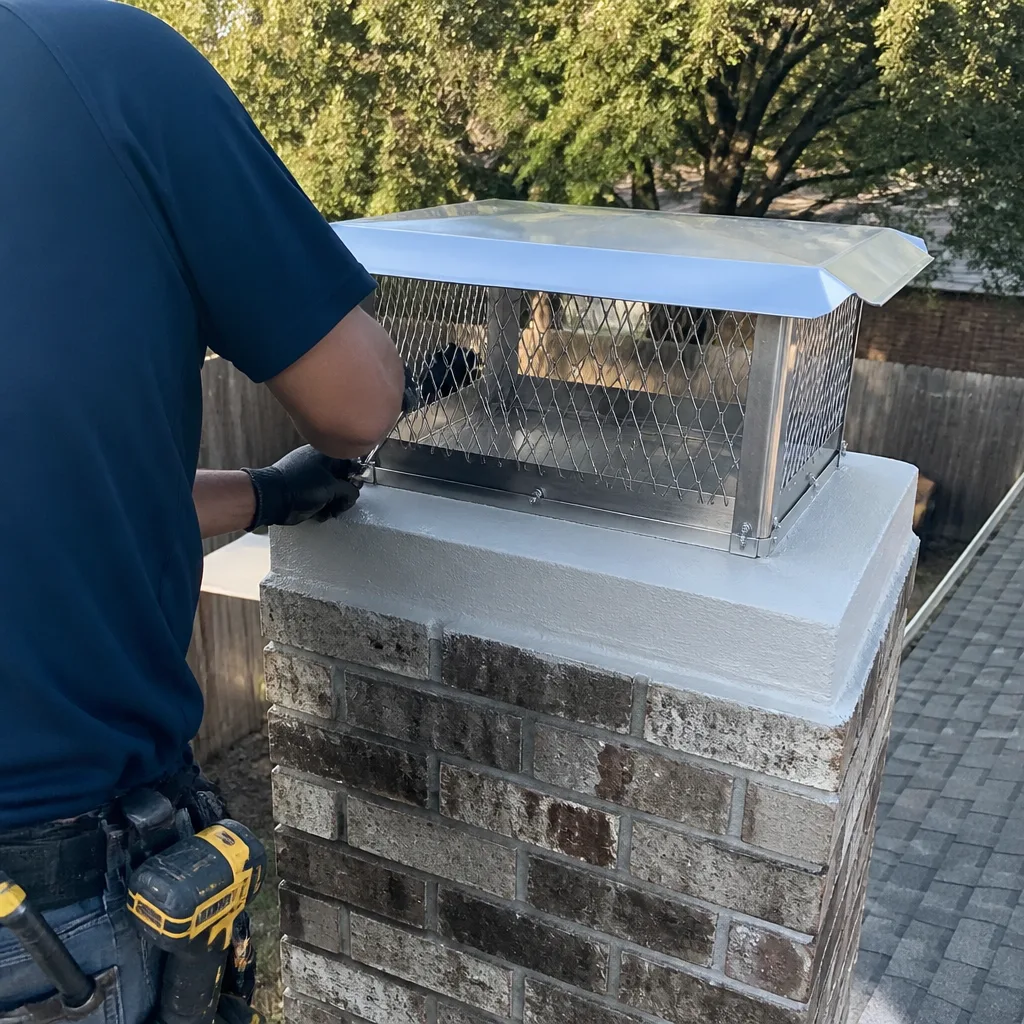 After
AfterCreosote Removal in San Antonio, TX
Creosote removal in San Antonio typically costs between $250 and $450 for a standard single-story fireplace, with most jobs completed in 90 minutes to two hours. Creosote is the flammable tar-like residue that builds up inside your chimney every time you burn wood, and in San Antonio’s climate, the freeze-thaw cycles and high humidity can accelerate how quickly it hardens into a stubborn, glazed layer. If you’re seeing black, shiny buildup in your firebox or noticing a campfire-like smell even when the fireplace isn’t in use, that’s creosote, and it needs to come out before it becomes a chimney fire risk. Call Hadley Chimney San Antonio at (254) 276-4116 and we’ll give you a written price before anyone picks up a brush.
We’ve been handling creosote removal across San Antonio since 2003, and it’s one of the most common calls we get from neighborhoods like Alamo Heights, Stone Oak, and Terrell Hills. As part of our broader Chimney Cleaning & Sweep in San Antonio service, creosote removal is the heavy-lifting portion that keeps your fireplace safe to use through the winter burn season and the occasional chilly spring evening. If you’re not sure whether what you’re seeing is creosote or just soot, we’ll tell you straight and show you photos from the inspection.
When You Need Creosote Removal
Not every fireplace needs creosote removal on a set schedule. The National Fire Protection Association recommends an inspection at least once a year, but San Antonio homeowners who burn frequently during the cooler months, or who burn unseasoned mesquite and oak, often need removal more often. Here’s what signals it’s time to call:
- A thick, dark coating inside the flue: If you can see shiny black or dark brown deposits that look like dried tar, that’s third-degree creosote, the hardest kind to remove and the most likely to ignite.
- A strong smoky or campfire odor from the fireplace even when it’s cold: Creosote absorbs moisture from San Antonio’s humid air and releases an acrid smell. If you smell it on rainy days or when the AC kicks on, the buildup is significant.
- Smoke backing up into the room instead of drafting up: A restricted flue from creosote accumulation reduces draft, especially in older homes around Monte Vista and King William where flues are narrower.
- Visible tar drips or crusty flakes falling into the firebox: You’ll sometimes see pieces of creosote flaking off the flue walls and landing on the smoke shelf or firebox floor.
- It’s been more than a year since the last cleaning: Even if the fireplace looks fine from the outside, creosote forms out of sight in the upper flue. An annual inspection tells you what’s actually up there.
- You just bought a home with an existing fireplace: You don’t know how the previous owner burned or when the flue was last serviced. In neighborhoods like Jefferson and Beacon Hill with older housing stock, we regularly find years of accumulated creosote in chimneys that look clean from the living room.
One thing we notice in San Antonio specifically: homeowners who burn oak from the Hill Country think harder wood means cleaner burning, but oak produces plenty of creosote when it isn’t cured for a full 12 to 18 months. Mesquite burns hot but also leaves a dense residue. We’d rather inspect and tell you exactly what stage of creosote you have than guess from a phone description.
Our Creosote Removal Process
Here’s what happens when you book creosote removal with us, step by step, including what the photos will show you before we even start. Every job, no matter the size, follows the Relay Visibility Guarantee: live arrival tracking, before-and-after photo documentation, and a written price before any work begins.
- Inspection with photos: Your technician inspects the full flue from the firebox to the chimney cap, taking photos as they go. You’ll see exactly what the creosote buildup looks like and where the heavy deposits are sitting.
- Written quote before work starts: Based on the inspection, you get a written price for the removal. No verbal quote that inflates later. If the buildup is light and only needs a standard sweep, the price reflects that. If it’s glazed and needs rotary removal, you’ll know the cost before we touch anything.
- Flue preparation and containment: We seal off the firebox opening with a high-efficiency vacuum system running, so creosote dust doesn’t get pulled into your living room. San Antonio homes with open-concept layouts around the fireplace appreciate this step a lot.
- Mechanical or rotary removal: For standard creosote deposits, we use stiff chimney brushes sized to your exact flue dimensions. For glazed, third-degree creosote, we use rotary cleaning heads with flexible rods that break the hardened layer off the flue walls without gouging the liner.
- Post-removal inspection and documentation: After the creosote is removed, your tech runs a final camera inspection and takes after-photos. You get a digital record showing the flue clean from top to bottom, so you’re not taking anyone’s word for it.
- Written report and repair recommendations: If the inspection turns up cracks in the flue liner, a damaged chimney cap, or deteriorated mortar joints, you get a written summary with photos and a separate written quote for any recommended repairs using materials from brands we trust, like HeatShield ceramic repair compound and Copperfield chimney accessories.
If any repair we make fails within 365 days, the 365-Day Done Right Promise covers a free second visit. That’s a standing commitment on every job, not a seasonal offer.
Creosote Removal Pricing in San Antonio
Most creosote removal jobs in San Antonio fall between $250 and $450 for a standard masonry fireplace with one flue. That’s an honest range, and the final number depends on a few things we can explain clearly.
What Affects the Cost
- Degree of creosote buildup: First-degree creosote is a light, dusty coating and comes off with standard brushing. Second-degree is flaky and requires more passes. Third-degree creosote is the glazed, tar-like layer that needs rotary removal, which adds time and cost.
- Flue height and accessibility: Two-story homes in areas like Cibolo Canyons or The Dominion have longer flues than single-story ranches around Woodlawn Lake. A longer run of flue means more rod sections, more labor, and a slightly higher price.
- Chimney condition: If the flue liner is already compromised, we adjust our removal approach to avoid making the problem worse. Sometimes that means removing creosote by hand in problem areas rather than running a rotary head through, which takes more time.
- Animals or obstructions: Birds’ nests, squirrel debris, or fallen brickwork inside the flue have to be cleared before creosote removal can be done properly. If we find a nest up there, we’ll show you the photo and include the removal in the written quote.
Here’s a clean breakdown of typical San Antonio pricing for creosote-related work:
| Service | Typical Range in San Antonio |
|---|---|
| Standard chimney sweep with creosote removal (Level 1) | $250 – $350 |
| Heavy creosote removal with rotary cleaning (Level 2) | $350 – $450 |
| Glazed third-degree creosote removal | $450 – $600 |
| Creosote removal plus camera inspection | Adds $75 – $125 |
| Chimney cap replacement (if cap is rusted or missing) | $150 – $350 installed |
Prices vary by flue size, roof pitch, and the specifics of your chimney, and you’ll see your exact number in writing before we start. Each visit includes a written price up front, so there’s no moment where the final number startles you. Call (254) 276-4116 for a free estimate, and we’ll schedule a time that works with a live arrival window you can track on your phone.
FAQs – Creosote Removal
How much does creosote removal cost in San Antonio?
Creosote removal in San Antonio typically runs $250 to $450 for a standard single-story fireplace, with glazed third-degree creosote removal landing between $450 and $600. Your exact price depends on the degree of buildup, flue height, and chimney condition, and you’ll receive a written quote before any work begins. Call (254) 276-4116 for a free estimate based on your specific fireplace.
How fast can you remove creosote from my chimney in San Antonio?
Most standard creosote removal jobs take 90 minutes to two hours from setup to final inspection. Heavy glazed creosote may push toward three hours. We’ll give you a realistic window when you book, and since calls are answered by a live person 24/7, you can ask about same-day or next-day availability whenever you call (254) 276-4116.
Is creosote removal the same as a chimney sweep?
Creosote removal is the core part of a chimney sweep, but a full chimney sweep also includes sweeping out the firebox, smoke shelf, and damper area, plus a visual inspection of the flue liner and chimney cap. At Hadley Chimney San Antonio, our standard Chimney Cleaning & Sweep in San Antonio service includes creosote removal as part of the job, and we’ll tell you if the buildup calls for rotary removal rather than standard brushing.
Can I remove creosote myself instead of hiring a pro?
You can buy chimney sweeping logs from hardware stores, but they don’t remove creosote; they chemically alter the top layer and make it easier to brush off, and they won’t touch glazed third-degree creosote. The tools and access required to do a real creosote removal, especially on San Antonio two-story rooflines, make it a job for someone with a professional vacuum system and camera inspection equipment. If you want to know exactly what’s in your flue before spending money, call us at (254) 276-4116 for an inspection with photos.
Written by Cory Mitchell, Owner at Hadley Chimney San Antonio, serving San Antonio.