
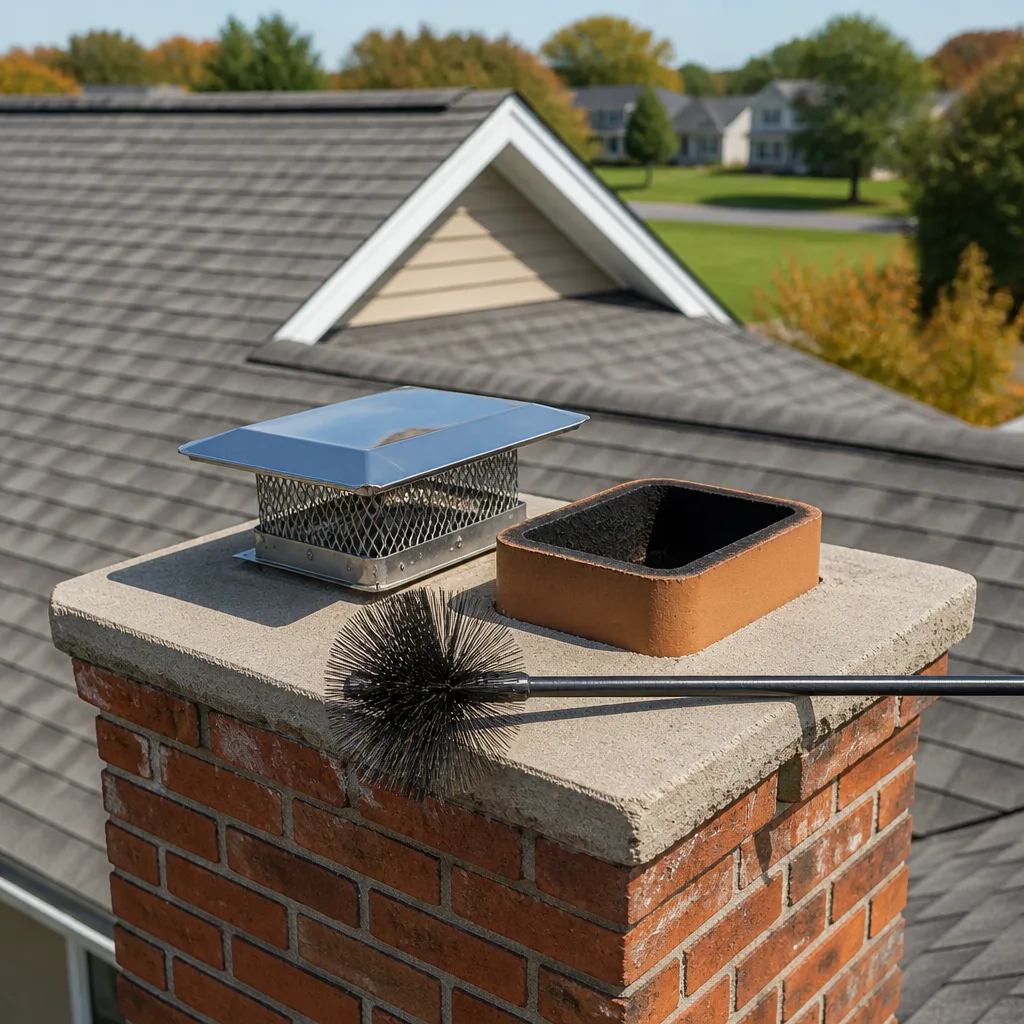
 Sweep & inspection
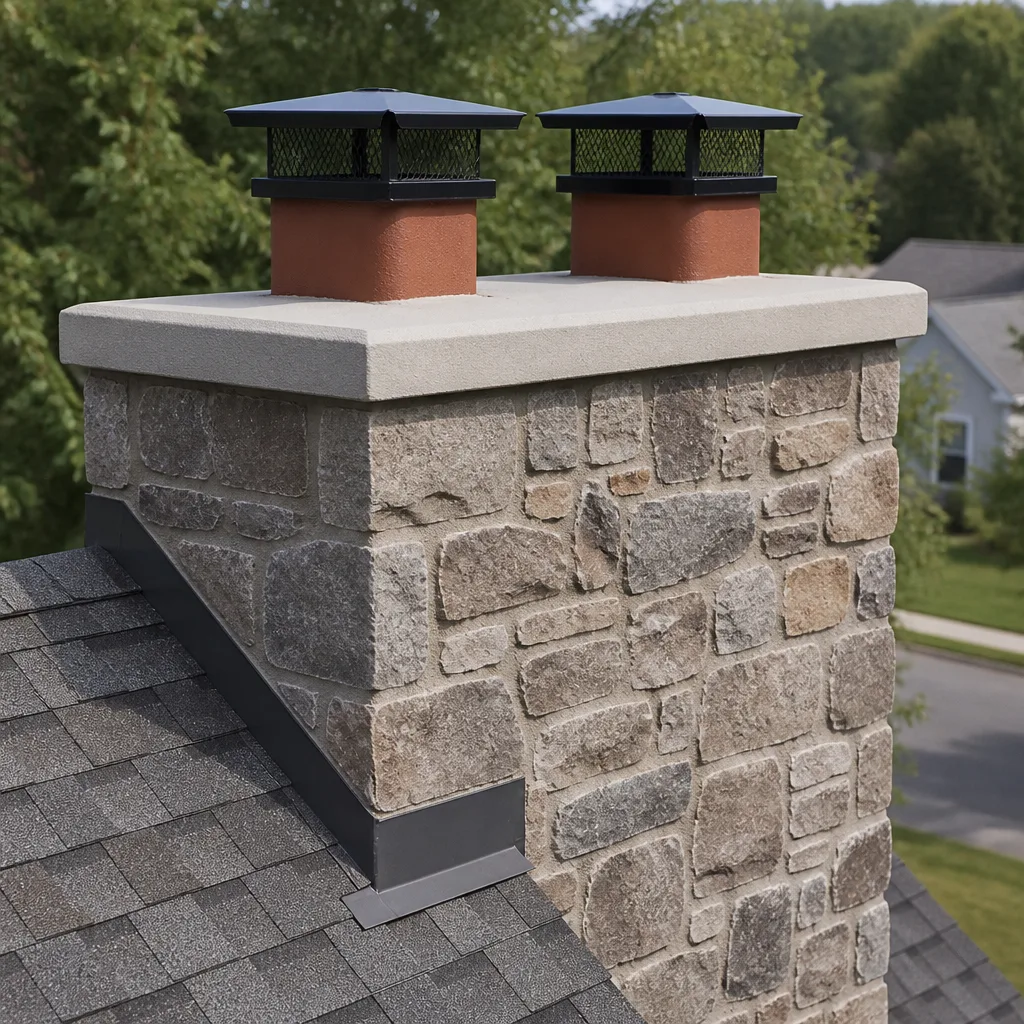 Caps & crowns
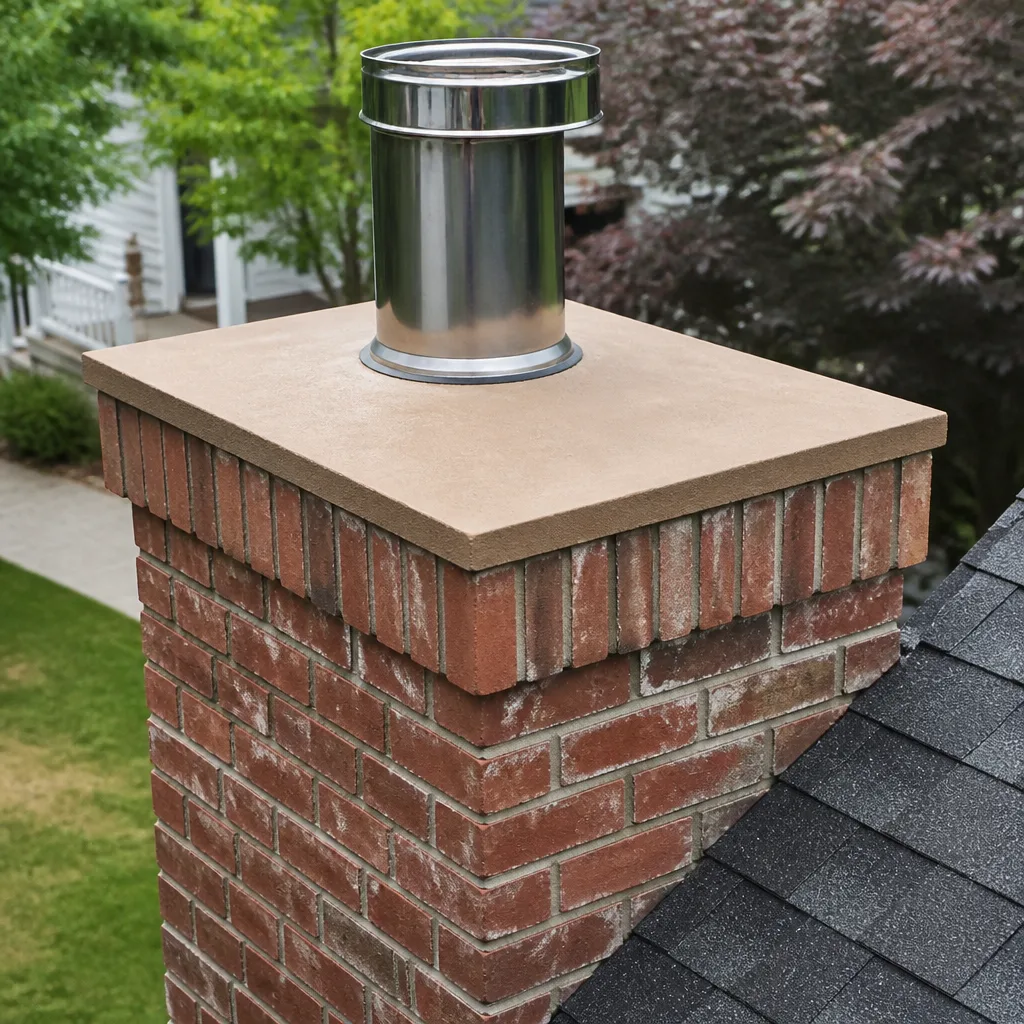 Flue relining
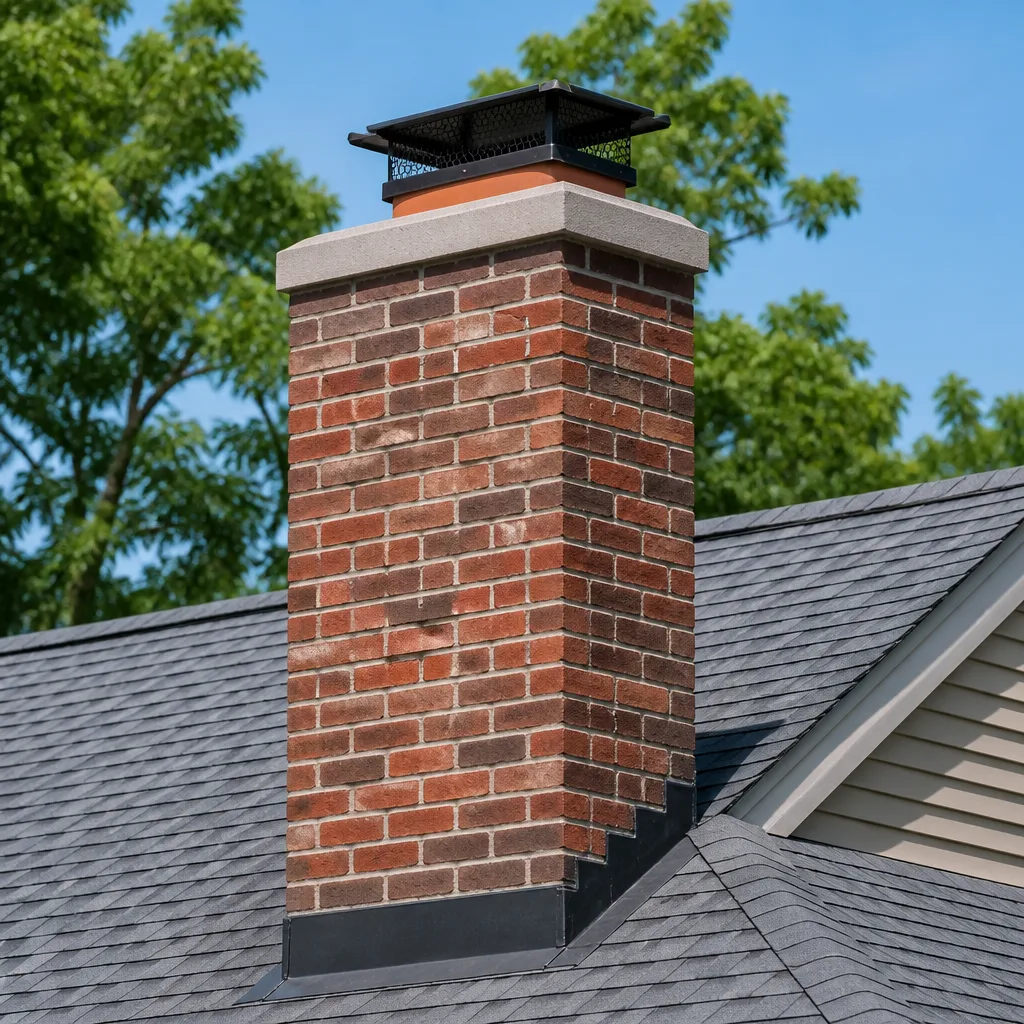 Masonry repair
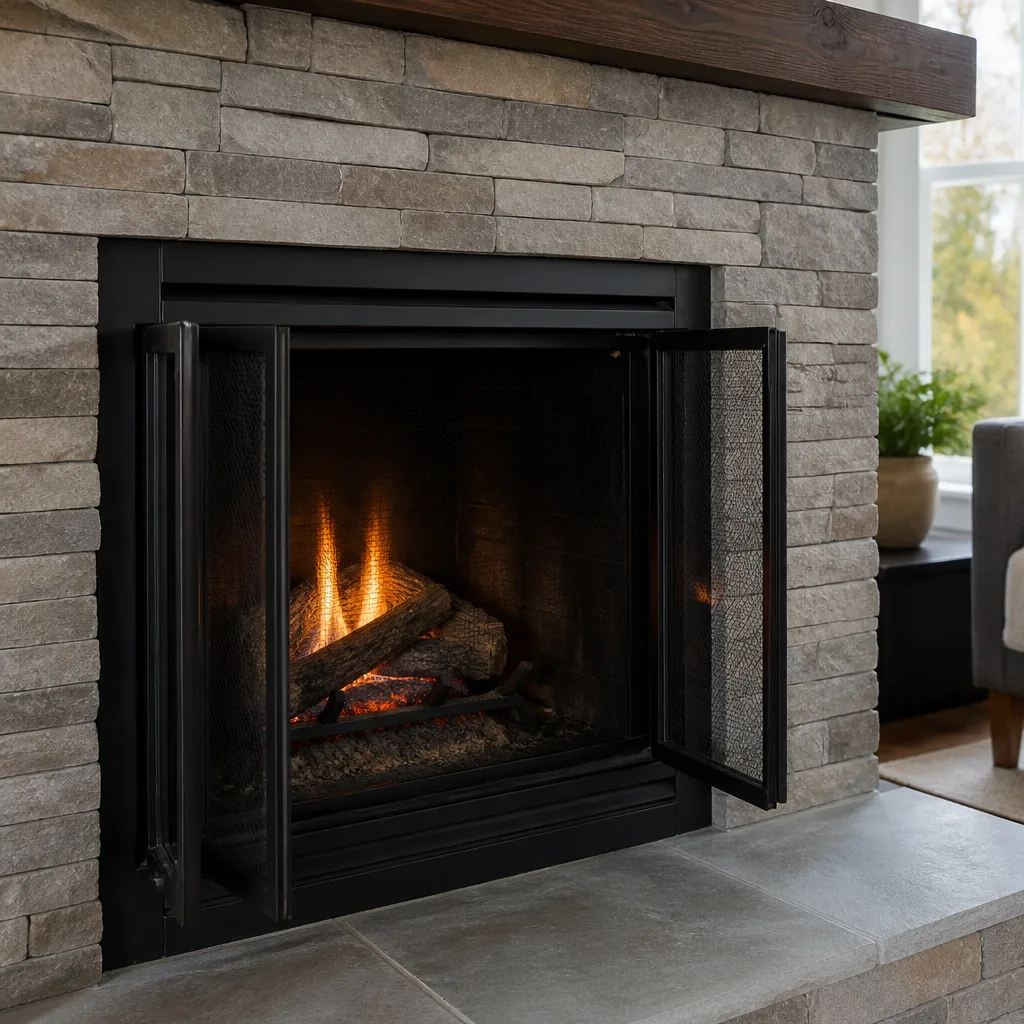 Gas fireplace service
Level 1 sweep and inspection to the NFPA 211 annual standard - flue, crown, cap, and flashing checked and photographed
Chimney sweep logs do not sweep chimneys. They loosen some creosote - which then falls where a brush and vacuum still have to collect it.
HeatShield Chimney Cap Installation: The San Antonio Owner’s Guide
We stock and install HeatShield-compatible chimney caps across San Antonio, with most cap replacements running $340 – $680 installed depending on flue size and roof access. Most jobs are done the same week we quote them, not the same month. The way owners usually discover their cap has failed is simple: they find rust flakes in the firebox after a rain, or a bird gets into the flue, or they spot a cap hanging off the crown after a windstorm that rolled through the Hill Country. The cap is the first line of defense for your flue, and when it goes, water gets in. Water in a San Antonio chimney means cracked firebrick, rusted dampers, and liner damage that costs far more than a cap ever will.
We’re an independent San Antonio chimney service, not a HeatShield dealer or affiliate. That means we’re not pushing a brand. We install what fits your flue correctly, and if you already have a HeatShield cap or a HeatShield liner system, we’ll match the replacement to what’s already on your roof.
Key takeaways:
- HeatShield cap replacement in San Antonio typically runs $340 – $680 installed
- We stock common HeatShield cap sizes on the truck; odd sizes take 3 – 5 business days to source
- Every cap job includes a written price before we touch the roof and a 365-Day Done Right Promise
- Your cap failing lets water into the flue, and that’s the start of a liner problem you don’t want
Which HeatShield Models This Applies To
HeatShield caps are sized to fit standard flue tile dimensions, not specific chimney models, so the part you need is based on your flue’s inside diameter and outside tile dimensions. The most common sizes we install in San Antonio are 8×8 and 13×13 flue tiles, because that’s what the majority of homes built from the 1960s through the 1990s have. If you have a round flue from a HeatShield liner system, the cap sizing shifts to the liner’s diameter, often 6 or 8 inches.
Here’s the compatibility gotcha most homeowners don’t know: HeatShield makes caps for terracotta flue tile and for their ceramic-coated liner systems, and the two are not interchangeable. A cap for a tile flue won’t seat correctly on a round liner, and vice versa. The easiest way to identify what you need is to check the stamping on the underside of the cap or the side of the base plate. If that’s unreadable after years of Texas sun and rain, we measure the flue opening and match from there. We also carry aftermarket stainless caps from Copperfield and Olympia Chimney that fit HeatShield tile dimensions, and in many cases they save you $60 – $100 over the OEM part with the same 304 stainless construction. We’ll tell you honestly which one makes sense, because sometimes the OEM cap is the only thing that fits a non-standard tile, and sometimes it isn’t worth the premium.
Styles & brands we work with
Signs Your HeatShield Chimney Cap Installation Is Failing
- Rust streaks running down the cap or the crown. Most HeatShield caps are stainless, but the mounting hardware and mesh screens are often galvanized steel. Once the mesh rusts, it starts to fail, and you’ll see orange staining on the cap base or the chimney crown below.
- Water pooling or damp spots inside the firebox after rain. A cap with a cracked or missing lid lets rain fall straight down the flue. That water sits in the firebox, soaks into the refractory panels, and eventually rusts the damper assembly.
- Birds, squirrels, or a scrabbling sound inside the flue. A torn or rusted mesh screen is an open door for a chimney swift or squirrel. They bring nesting material, and that’s a fire hazard that sits on top of whatever creosote is already in the flue.
- Debris inside the firebox, including twigs, leaves, or dead insects. This usually means the mesh has a hole or the cap has shifted off its seat. If you’re finding debris in the firebox, the flue is open to the elements.
- Draft problems when you light a fire, especially with smoke rolling back into the room. A damaged or blocked cap can change the airflow through the flue. A clogged mesh from a nearby pecan or oak tree is a common San Antonio culprit, and the repair is often just a cap replacement rather than a liner issue.
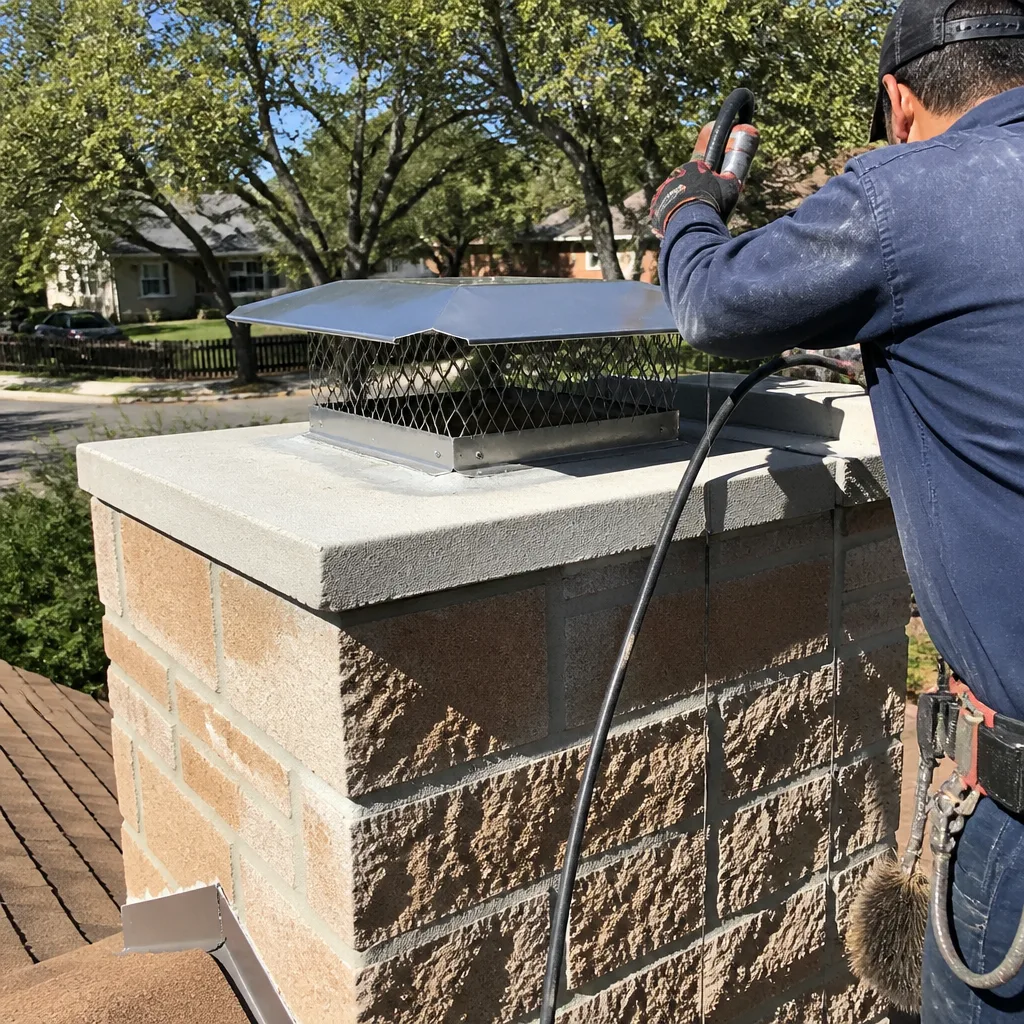
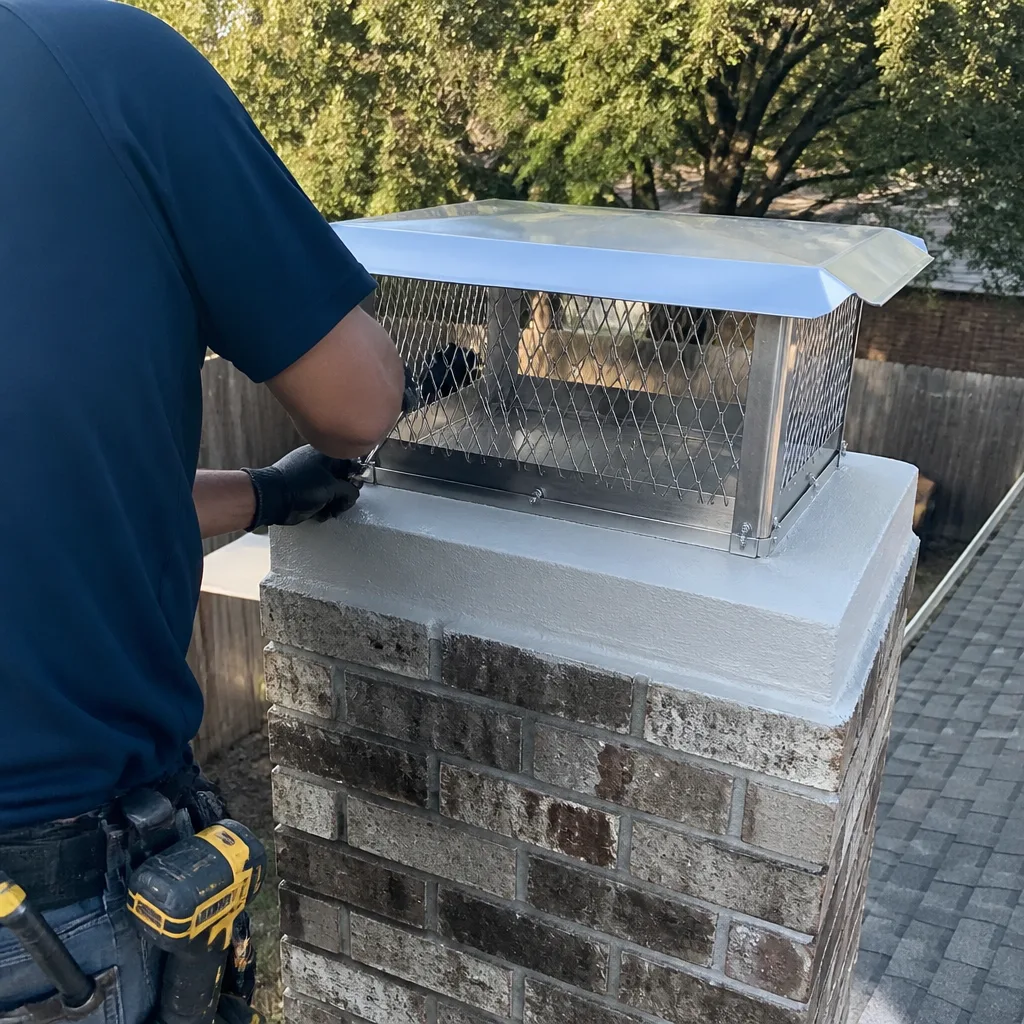
See the difference
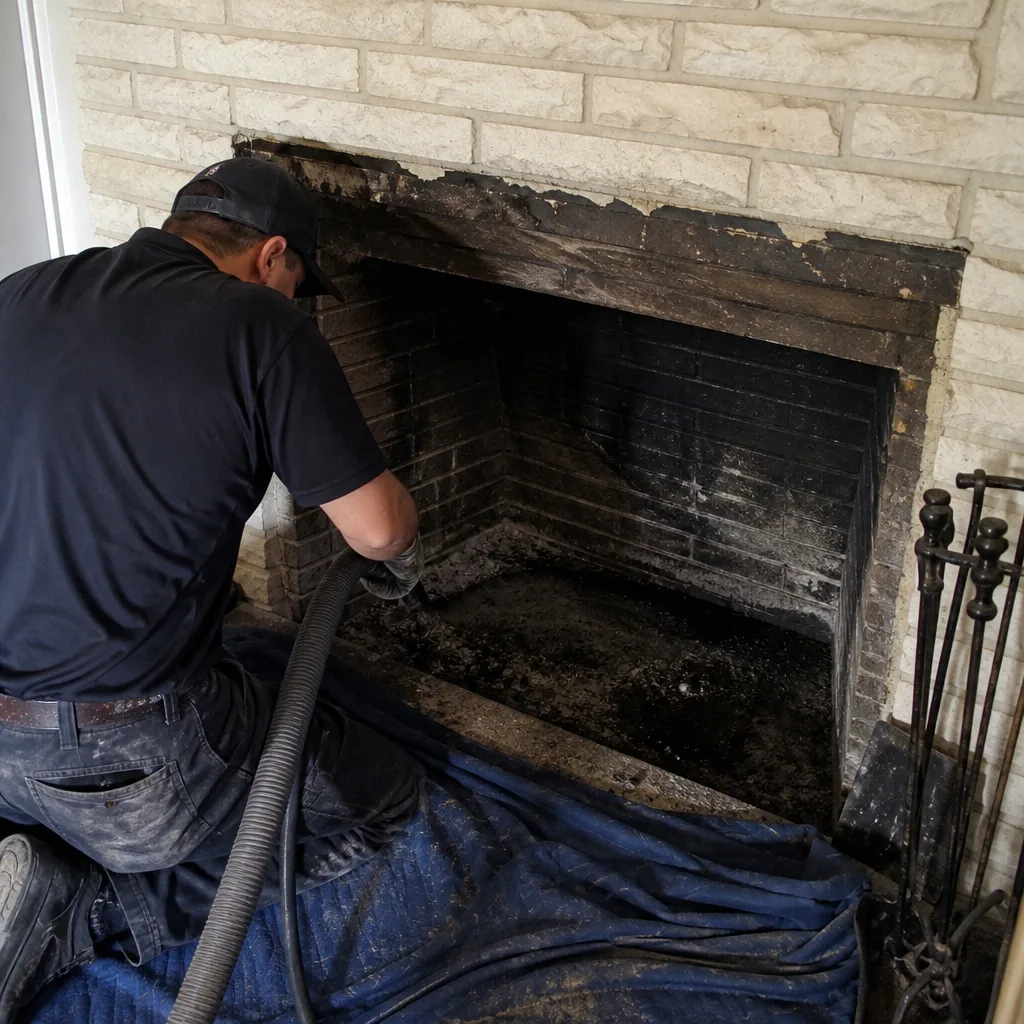 Before
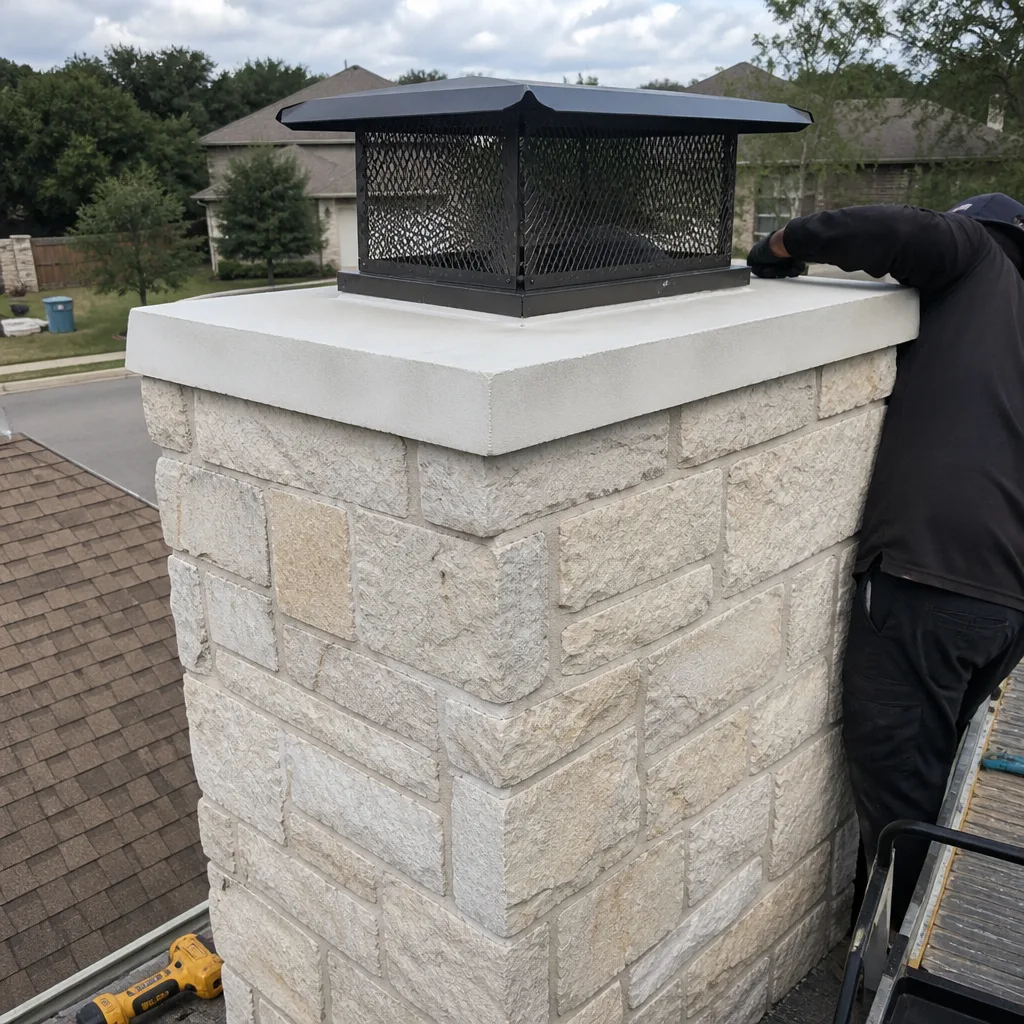 After
After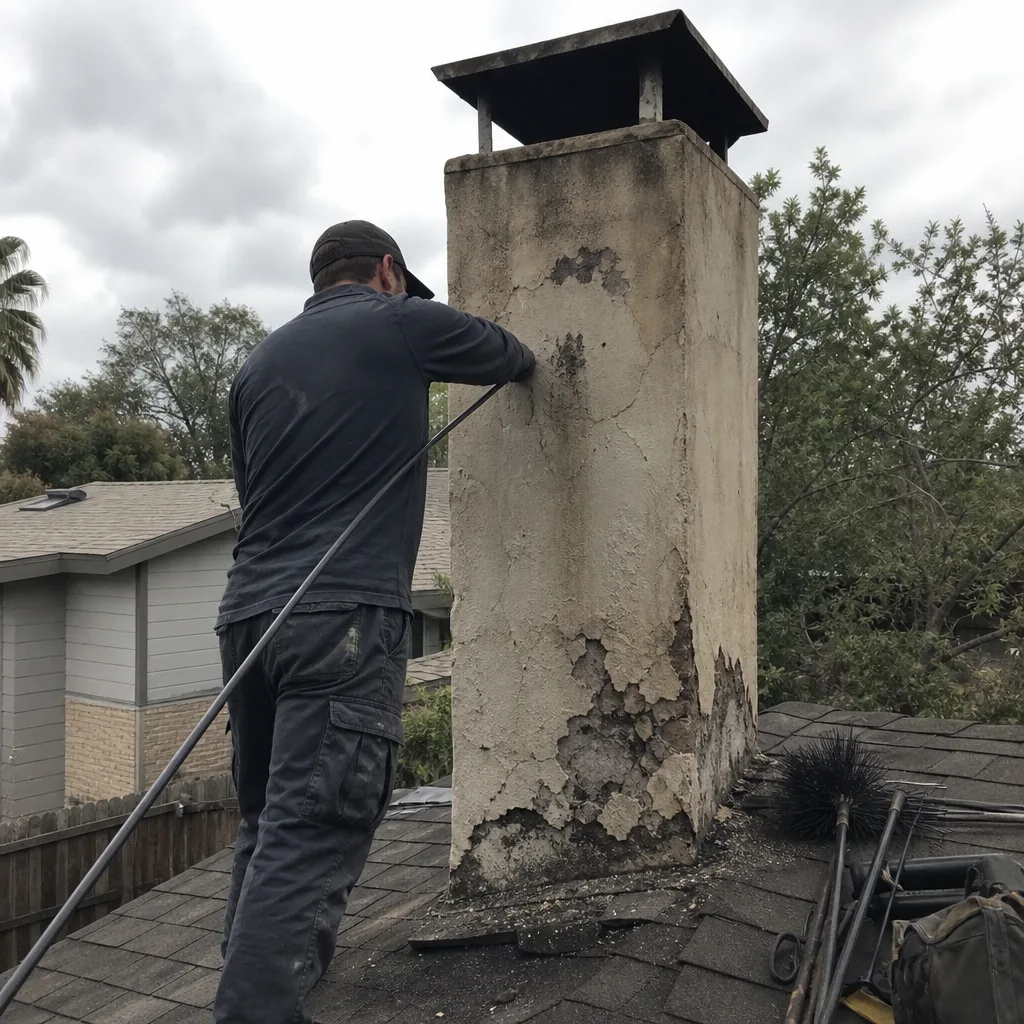 Before
 After
After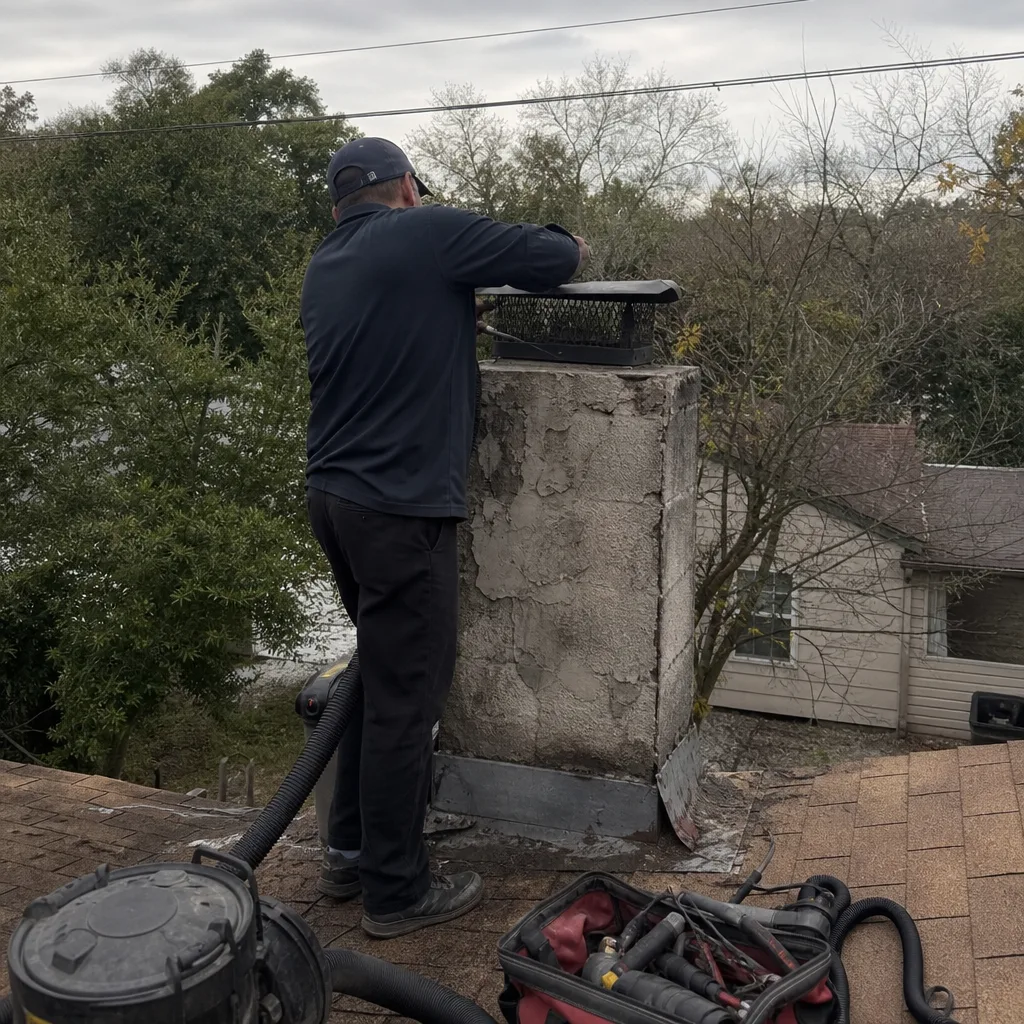 Before
 After
AfterReplacement Cost & What’s Included
In San Antonio, a new cap installed by Hadley Chimney San Antonio runs $340 – $680 for most homes. The range comes down to three things: the cap itself, your roof height and pitch, and whether the flue tile is standard or needs a custom base. A basic stainless cap for a single 8×8 flue is on the lower end. A larger cap for a 13×13 flue, or a multi-flue cap covering two openings, lands on the higher end. Steep roofs and second-story installs add a small access fee because our techs use taller ladders and take more time securing the work area.
Here’s what’s included in every cap replacement, in writing before we start: the cap itself, removal of the old cap and hardware, cleaning the crown surface so the new base seats flat, new stainless mounting hardware, and photos of the finished installation. If we’re matching a HeatShield cap to an existing HeatShield liner, we’ll also do a quick visual check of the top of the liner while we’re up there and tell you, with photos, whether it looks sound. That’s normal inspection practice, not an upsell.
Typical installed cap replacement ranges for San Antonio:
- Standard single-flue stainless cap (8×8 or 13×13): $340 – $420
- Larger or multi-flue cap: $450 – $580
- OEM HeatShield-brand cap (when required): $480 – $680
- Aftermarket Copperfield or Olympia cap: $340 – $520
- Custom base for non-standard flue tile: add $80 – $140
Every cap replacement carries our 365-Day Done Right Promise: if the cap or mounting hardware fails within 365 days, we come back and make it right at no charge. That’s a written guarantee, not a verbal pat on the back.
DIY or Call Us?
I’ll be straight with you: a chimney cap installation is not a safe weekend project for most homeowners. Getting the old cap off usually means working on a ladder or roof, often at a second-story height, and loosening hardware that’s been corroding since the mid-2000s. A slip up there is a serious fall. That’s why we train our techs on roof access safety and send them with proper ladders, harness points, and tools, and why I’ll never write a step-by-step guide on how to do this yourself.
What you can safely do from the ground: snap a clear photo of the cap and any rust or damage you can see, check the firebox after the next rain for water or debris, and look for light coming through the damper area when the firebox door is open. Those observations help us quote the job accurately before we arrive. Once we’re on the roof, we measure the flue, confirm the cap size, and send you a photo of exactly what we found before any work starts. See the problem, understand the fix, then decide – that’s how it should work. If you’re ready to schedule a cap replacement or just want a second set of eyes on what you’re seeing, call (254) 276-4116 and we’ll get it handled.
FAQs
A stainless steel cap on a San Antonio home typically lasts 12 – 20 years before the mounting hardware or mesh starts to fail. The cap itself may hold up longer, but the galvanized hardware used by many manufacturers, including some HeatShield installations, will rust out long before the steel shell gives up. In our experience, the intense summer sun and the occasional Hill Country ice storm do more damage to caps than rain alone. If your cap is older than 10 years, it’s worth a visual check from the ground every spring. Call (254) 276-4116 and we’ll take care of the look if you’re not sure what you’re seeing.
It depends on what failed. A bent or loose mounting bracket can usually be tightened, and a torn mesh screen can sometimes be re-screened with a replacement mesh if the frame is still solid. But a rusted base, a cracked lid, or a cap that’s started to lift off the flue tile is almost always a replacement. Patching these doesn’t hold up to San Antonio’s heat and rain cycles, and a failed patch still lets water into the flue. We’ll tell you honestly whether your cap is worth saving or whether the money is better spent on a new one. Our written quote goes either way before any work starts.
Most cap replacements take 45 – 90 minutes from ladder up to ladder down. The wild card is roof access, because a steep second-story roof takes longer to work safely on than a low single-story pitch. If we’re also cleaning the flue during the same visit, add another 45 minutes and a bit to the price. Either way, we’ll give you a written time estimate when you book.
We stock common cap sizes and HeatShield-compatible replacements on our trucks, so most San Antonio homes can get a new cap installed without waiting on a parts order. Non-standard flue tile or multi-flue setups may take 3 – 5 business days to source, but we handle the ordering and you just pay the installed price. You don’t need to buy anything yourself, and we’ll never ask you to. If you already bought a cap and just want installation, we can do that too, though we’ll verify the size is correct for your flue before we start. Call (254) 276-4116 for a free estimate either way.
Hadley Chimney San Antonio also stocks parts for DuraFlex and Gelco systems, so if your flue or liner hardware from another brand is failing, there’s a good chance we have what you need on the first visit. Our techs are background-checked and uniformed, and you’ll get live arrival tracking, before-and-after photos, and a digital invoice you can pay from your phone. We answer calls live 24/7, and a real person picks up when you dial (254) 276-4116.
Written by Cory Mitchell, Owner, Hadley Chimney San Antonio at Hadley Chimney San Antonio, serving San Antonio and nearby areas.